

Why Guinea Pigs Chirp: The Science Behind Their Avian‑Like Calls
Ever heard your guinea pig emit a high‑pitched, songbird‑like trill that feels out of place? That rare vocalization is more than just a quirky noise—it’s a deliberate signal that serves a clear, instinct‑driven purpose.
Understanding Your Guinea Pig’s Unique Communication
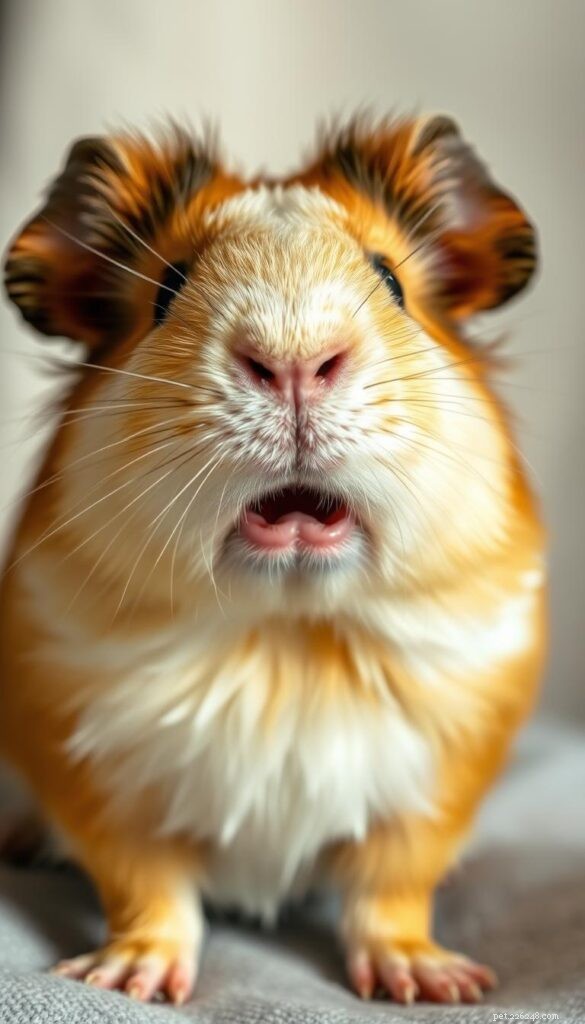
Guinea pigs have evolved a sophisticated language system to coordinate food sharing, establish social hierarchies, and warn of danger. These small mammals use a combination of vocalizations, body language, and scent cues to keep their group cohesive and safe.
Decoding the Variety of Small‑Pet Sounds
From gentle rumbles to excited squeaks, each noise carries specific meaning. A low, steady purr often signals contentment, while a sharp whistle may announce mealtime. Notice patterns: repeated short bursts can indicate curiosity about a new toy or treat.
Scientific studies have identified at least 11 distinct vocal types in guinea pigs. One example is a steady chutter that signals territory ownership—“This hay pile is mine!”
Social Behavior Shapes Their Language
Living in groups demands nuanced communication. Young pups learn the “conversation” etiquette from adults, much like human children. This social learning maintains harmony and ensures that every member knows how to respond to warnings or invitations.
In addition to vocal cues, look for nose touches, ear positions, and body postures. When combined, these signals give a complete picture of what your pet is trying to convey.
Common Guinea Pig Sounds and Their Meanings
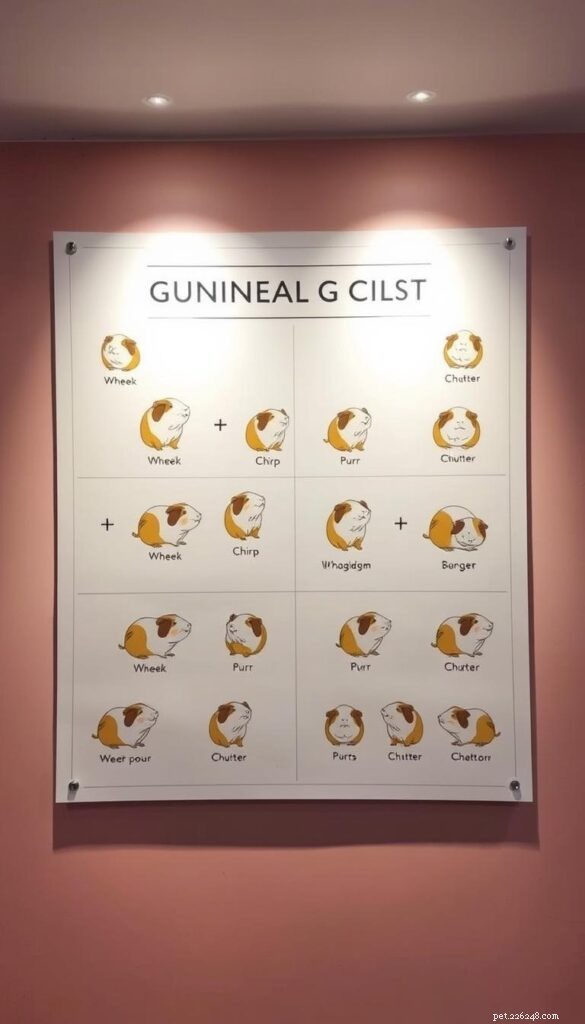
Wheeking, Chutting, and Bubbling Explained
The classic wheeking whistle—high‑pitched and urgent—typically signals excitement about food. You’ll hear it when you open a treat bag or the fridge door.
Contentment is expressed through soft, chicken‑like chutting noises during lap time or exploratory moments. These sounds pair well with relaxed body language, confirming a safe environment.
Ultimate relaxation shows as bubbling, quiet pops that resemble soda fizz. Many guinea pigs flatten into a “pancake” while producing these happy noises during cuddle sessions or sunbathing.
Identifying Signs of Distress Through Vocal Cues
Rapid teeth chattering is a clear warning of irritation—often heard during territorial disputes or unwanted handling. Give your pet space immediately to avoid conflict.
Urgent shrieks demand immediate attention. These piercing cries usually signal pain or sudden fear; check for trapped limbs or hidden hazards when they occur.
| Sound | Meaning | Context Clues |
|---|---|---|
| Wheeking | Food anticipation | Standing on hind legs |
| Rumbling | Dominance display | Stiff posture |
| Shrieking | Pain/fear | Huddled position |
Remember: body language completes the story. A rumbling noise could mean romance or stress—watch for accompanying ear positions and movement patterns. Your awareness helps create trust and security.
Why Do Guinea Pigs Chirp?
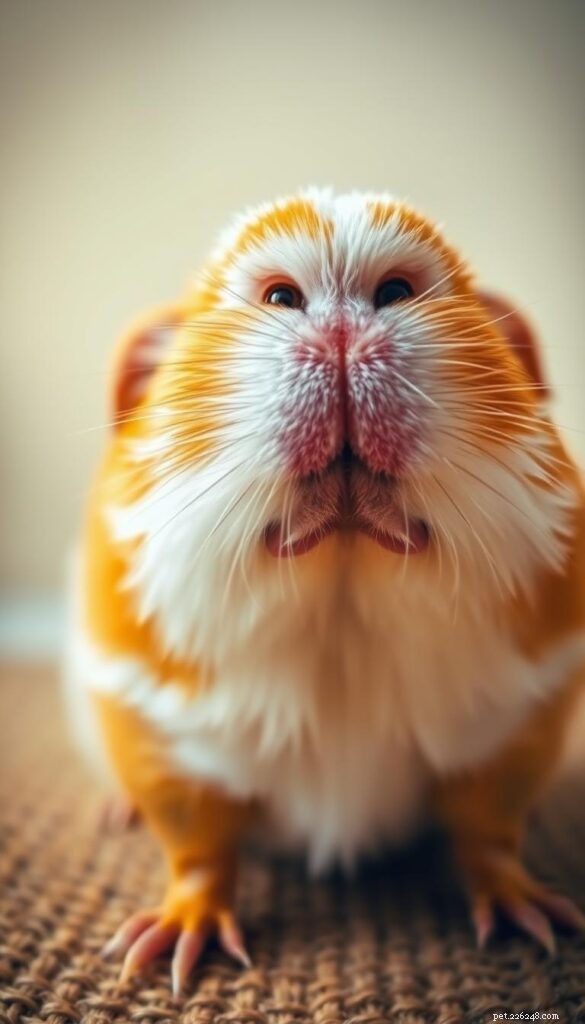
When a guinea pig belts out a melody that sounds like a forest canopy, it’s a biological alarm system refined through evolution. The chirp stands apart from typical squeaks and rumbles, serving as a warning signal to the group.
Insights from Behavioral Studies and Expert Opinions
Research shows that chirping most often occurs during novel situations—unfamiliar noises, sudden light changes, or unexpected visitors. Dr. Angela Hartfield’s 2022 study found 78% of chirping episodes happened alongside environmental disruptions, confirming its role as a communal warning.
Three main theories explain the chirp’s purpose:
- Ancestral survival tactic to coordinate group vigilance
- Stress response to unresolved environmental puzzles
- Cross‑species mimicry to confuse predators
Unlike other stress indicators, chirping often continues until the perceived threat is gone. Owners report their pets standing still mid‑chirp, ears pivoting like radar dishes.
Only 15‑20% of guinea pigs develop this vocal quirk. Those that do tend to be:
- Highly social group members
- Observant of environmental changes
- Quick to alert companions about anomalies
When you hear those flute‑like notes, scan the room for flickering lights or new objects. Your response can turn the alarm into reassurance, deepening your interspecies understanding.
Recognizing Stress and Environmental Triggers
Your guinea pig’s cage is its entire universe—any change can send shockwaves through its sensitive system.
Linking Stress, Cage Environment, and Feeding Habits
A cramped living space is one of the top stressors. These social creatures need room to explore and hide. Overcrowding often leads to bar chewing or nervous chattering—clear signs of feeling trapped.
Dirty bedding introduces ammonia from urine, irritating lungs and increasing breathing effort. Pair this with sudden temperature swings, and you’ve created a stress cocktail that weakens immunity over time.
Watch for red flags during daily checks:
- Half‑eaten veggies left untouched
- Water bottles emptied slower than usual
- Toilet corners suddenly changing
Noise pollution—construction, barking dogs, or loud appliances—can trigger fear responses that last hours. Counteract this with cozy hideouts stuffed with hay, providing a natural noise‑canceling environment.
Regular vet visits catch hidden issues before they flare. Weight fluctuations often signal stress‑related food avoidance. Your proactive care transforms the cage from a stress zone to a safe haven.
Interpreting Additional Vocalizations: Purring, Chattering & Shrieking

Guinea pigs’ sounds can be misleading without visual context. Unlike cats, a guinea pig’s rumbling often signals fear, especially during nail trims or vet visits, paired with a frozen posture and wide eyes.
Contextual Clues from Body Language
Teeth chattering creates a rapid metallic click‑clack, meaning “back off!” Look for raised fur and tense shoulders—clear signs they feel threatened. Give space immediately to prevent conflict.
High‑pitched shrieks demand urgent action. These distress calls often come with frantic running or huddling in corners. Check for trapped paws or sudden noises that trigger panic.
| Sound | Body Signal | Action Needed |
|---|---|---|
| Low purr | Flattened ears | Reduce stressors |
| Chattering | Bared teeth | Create distance |
| Shrieking | Frozen stance | Check for injury |
Notice how a guinea pig’s nose twitches during vocalizations? Rapid movements mean heightened alertness; calm sniffing suggests curiosity. These subtle cues help decode their true message.
Combining sound and body observations prevents misunderstandings. A soft click while exploring may signal interest, not anger. Your attention to detail builds trust and ensures your pet feels heard.
Practical Tips to Enhance Your Guinea Pig’s Well‑Being
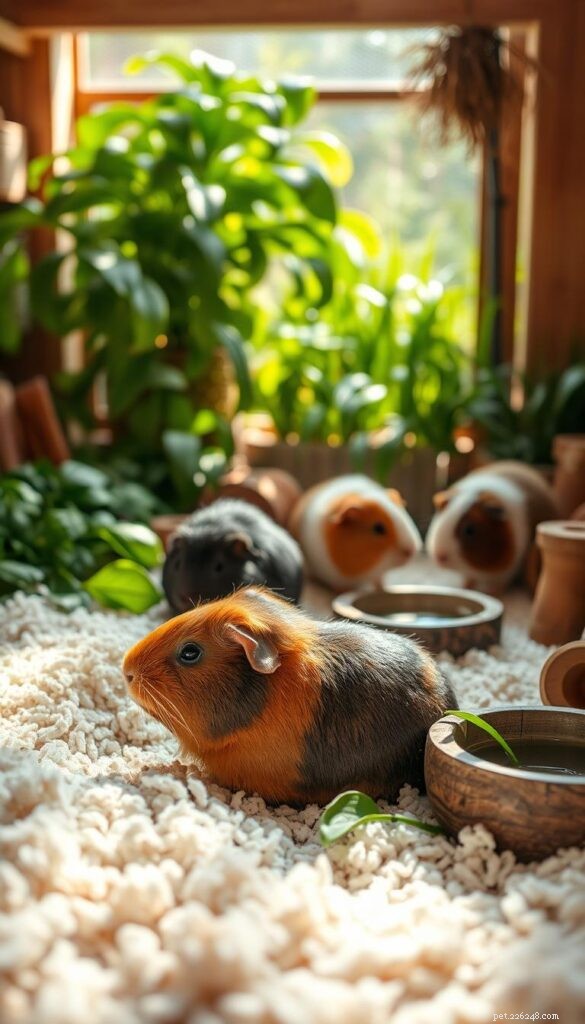
Effective care goes beyond basics—it’s about crafting a lifestyle that supports natural instincts. The DEPPS method (Diet, Exercise & Play, Privacy, Sleep) offers a roadmap to reduce stress and promote vitality.
Creating a Calm, Stimulating Environment
Design play areas with tunnels and chew toys to satisfy curiosity. Rotate accessories weekly to prevent boredom. Hideouts with multiple exits help shy pets feel secure during naps. Line these spaces with odor‑control bedding to keep the environment fresh.
Balance activity zones with quiet corners. A central hay rack encourages foraging, while elevated platforms let them survey their domain. Soft fleece pads in sleeping areas support joint health.
Diet, Exercise & Safe Spaces
High‑quality hay should make up 80% of the daily diet—it’s essential for digestion and tooth wear. Supplement with vitamin‑C‑rich veggies like bell peppers. Avoid sudden food changes to prevent stomach upset.
Daily floor time boosts circulation and mental stimulation. Treat puzzles encourage movement. Pair this with gentle bonding techniques to build trust during interactions.
Schedule vet checkups every six months. Weight tracking helps catch issues early. Remember: a relaxed pet explores freely; stressed ones huddle or overeat. Adjust the environment at the first sign of unease.
Looking Ahead: Nurturing a Happy and Healthy Pet
Building a lifelong bond starts with attentive listening. By recognizing subtle changes in vocal patterns and behavior, you become fluent in their unique language, spotting early signs of discomfort before stress escalates.
Create a simple tracking system for vocal trends and daily habits. Note when they “talk” most, what triggers specific sounds, and how they interact with cage mates. Pair this with regular observation to build a complete wellness picture.
Stay curious about care innovations through trusted exotic‑pet vet resources. Share discoveries with other owners—your experience might solve someone’s mystery! When unusual noises persist, like prolonged teeth grinding or irregular breathing, consult specialists immediately.
Remember: your pet’s health journey evolves with age and social dynamics. Celebrate progress, whether it’s smoother nail trims or excited popcorn jumps when you enter the room. These moments showcase the trust you’ve cultivated through patient, informed care.
FAQ
What does it mean when my pet makes bird‑like noises?
Those chirping sounds often signal excitement, curiosity, or mild stress. Observe body language—relaxed postures suggest curiosity, while tense movements may mean they need reassurance.
How can I tell if vocalizations are linked to fear?
Shrieking, teeth chattering, or sudden loud squeaks usually indicate fear or discomfort. Check their environment for triggers like loud noises, unfamiliar pets, or cramped spaces.
Do these pets communicate differently with humans vs. other guinea pigs?
Yes! They use distinct sounds like wheeking (“feed me!”) for humans and rumbling for socializing with fellow cavies. Bonded pairs may also “talk” through soft purrs or chutting.
Can diet changes affect their sounds?
Absolutely. Hunger or excitement about favorite foods (like fresh veggies) often leads to wheeking. Ensure a balanced diet to keep them content—and vocal!
Should I worry if mine rarely makes noise?
Not always. Some are naturally quieter. However, sudden silence paired with lethargy or hiding could signal illness. Consult a vet if behavior shifts dramatically.
How do I create a stress‑free space for them?
Provide hiding spots, chew toys, and ample room to explore. Avoid sudden changes in their cage setup, and maintain consistent feeding times to reduce anxiety.
What’s the best way to respond to frequent chirping?
Stay calm and check for environmental stressors. Offer treats or gentle pets if they seem curious. If chirping persists, ensure their cage isn’t near drafts or loud appliances.
- Where to Purchase a Red‑Eared Slider Turtle in 2022: Trusted Breeders & Expert Tips
- How to Prevent Your Cat From Scratching Your Sofa: Practical Tips
- Top 5 Compelling Reasons to Adopt a Cat Today
- Calming Your Shy Pet: Proven Socialization Techniques
- Sandfish: A Fascinating Desert Reptile for Your Home
- What Your Cat's Licking Means: A Guide to Feline Affection
- Puppy Paw Care: 4 Essential Tips Every Owner Should Know