

How to Safely Pick Up and Handle a Guinea Pig: A Step‑by‑Step Guide
Guinea pigs, with their soft fur and inquisitive nature, quickly become beloved companions. Yet, their delicate bodies and natural prey instincts require thoughtful handling to ensure both safety and lasting bonds.
Setting the Stage for Guinea Pig Bonding

Building trust starts with respecting their instinctual need for safety. Guinea pigs evolved as prey animals; sudden movements or loud noises can trigger a flight response. By creating a predictable, calm environment, you signal to them that they are safe in your presence.
Understanding Guinea Pig Behavior
Wild guinea pigs face threats from snakes, birds of prey, and other predators. Their rapid reaction times—up to 1 second to detect danger—make sudden hand movements feel threatening. The smell of unfamiliar scents is also processed quickly, so approach with clean, scent‑free hands.
The Importance of a Calm Environment
Minimize abrupt noises and strong perfumes. A soft background hum or a quiet fan can mask startling sounds. Let the animal sniff your hand from a distance before touching, and keep your movements slow and deliberate.
Preparing Yourself and Your Space
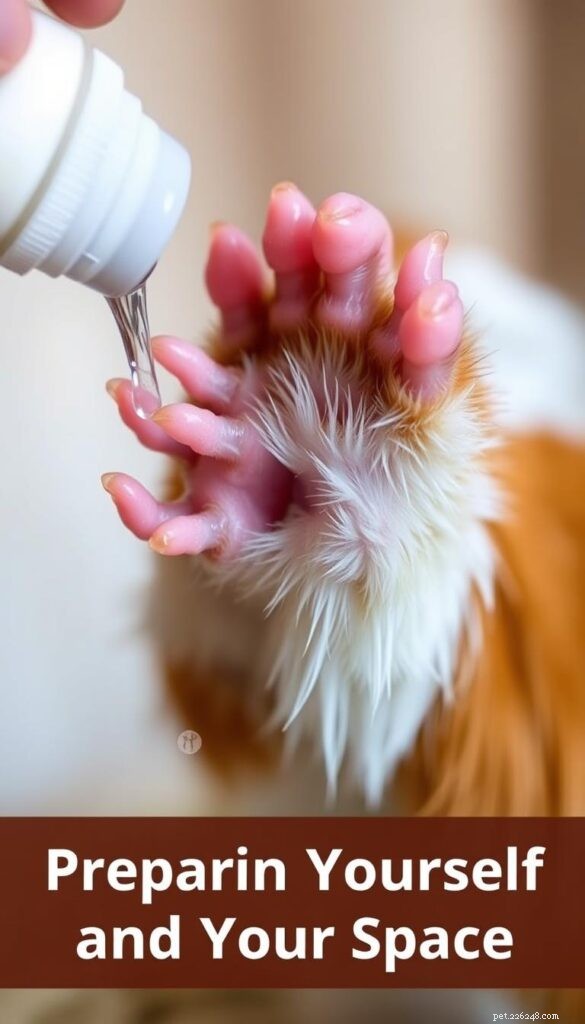
Good hygiene and a well‑planned environment reduce stress and prevent the spread of allergens.
Practice Good Hand Hygiene
Wash with mild, unscented soap before and after handling. Avoid lingering soap residue that could irritate the animal’s sensitive nose. Rewash after each session to keep the enclosure environment clean.
Avoiding Strong Scents and Noises
Skip perfumes, citrus lotions, and food‑based scents. Use fragrance‑free products so the guinea pig can recognize your natural scent. Choose a quiet corner away from TVs, barking dogs, or other pets to keep the area predictable.
How to Pick Up a Guinea Pig

Gentle lifting requires patience and proper form. Begin in a well‑lit area where the animal can see you clearly. Speak softly to announce your presence before opening the cage.
Step‑by‑Step Approach to a Gentle Pick‑Up
- Introduce your scent: Let them sniff your clean hands first to reduce fear.
- Guide gently: Use both hands to steer them toward a flat surface. Position one palm near their chest and the other supporting their hindquarters.
- Lift smoothly: Slide your dominant hand under their belly while keeping the spine aligned. Secure their back with your free hand.
- Hold close: Bring them against your chest, then shift to fully support the bottom. Keep movements slow and steady.
Guidelines to Keep Your Pet Secure
Always maintain full body support. Avoid grabbing by the legs or scruff, which can cause injury. Refer to the table below for a quick comparison of safe vs. risky techniques.
| Proper Technique | Risk to Avoid |
|---|---|
| Two‑handed lift | One‑hand grabs |
| Supporting hind legs | Dangling back legs |
| Chest‑to‑chest hold | High lifts above surfaces |
If they squirm, lower them immediately. Reward calm behavior with a veggie treat to reinforce positive associations. Consistent practice builds confidence for both of you.
Do’s and Don’ts of Handling Your Guinea Pig
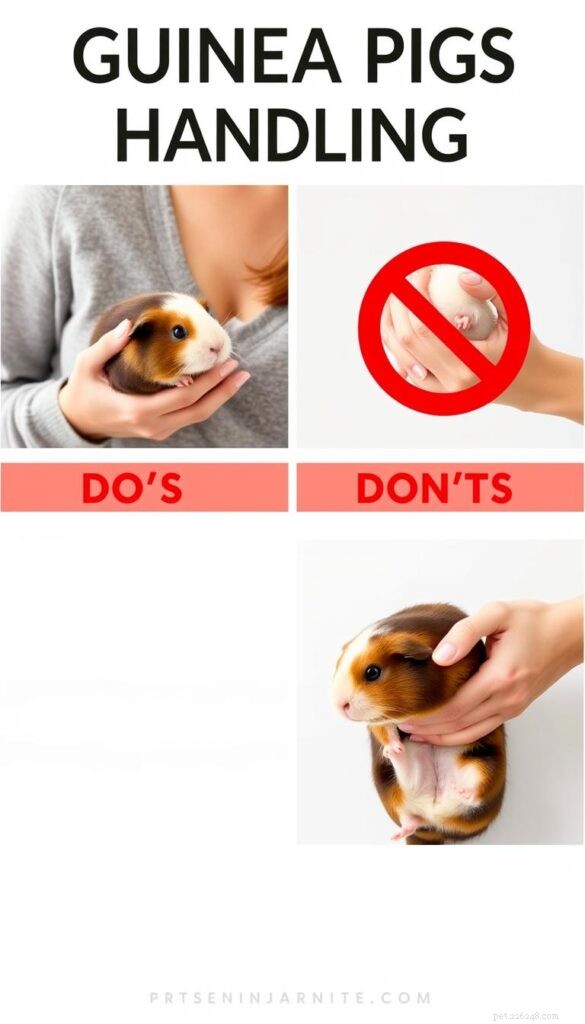
Things to Embrace When Approaching Your Pet
Sit on the floor to match their eye level and make yourself less intimidating. Place your hand slowly in the enclosure, letting them investigate your scent first. Use a soft, consistent voice; saying their name can help them associate your tone with safety.
Common Mistakes That Can Stress Your Guinea Pig
Avoid sneaking up from behind or making sudden hand swoops above their head. Loud noises like clapping or shouting mimic predator signals and trigger panic. Refrain from rapid grabbing motions; instead, let the animal walk onto your palm. For skittish pets, a cozy tunnel or cuddle sack can transport them gently.
| Best Practices | Stress Triggers |
|---|---|
| Sitting at their level | Standing over their enclosure |
| Open‑palm invitations | Swift hand swoops |
| Quiet encouragement | High‑volume voices |
Exploring Safe Holding Positions
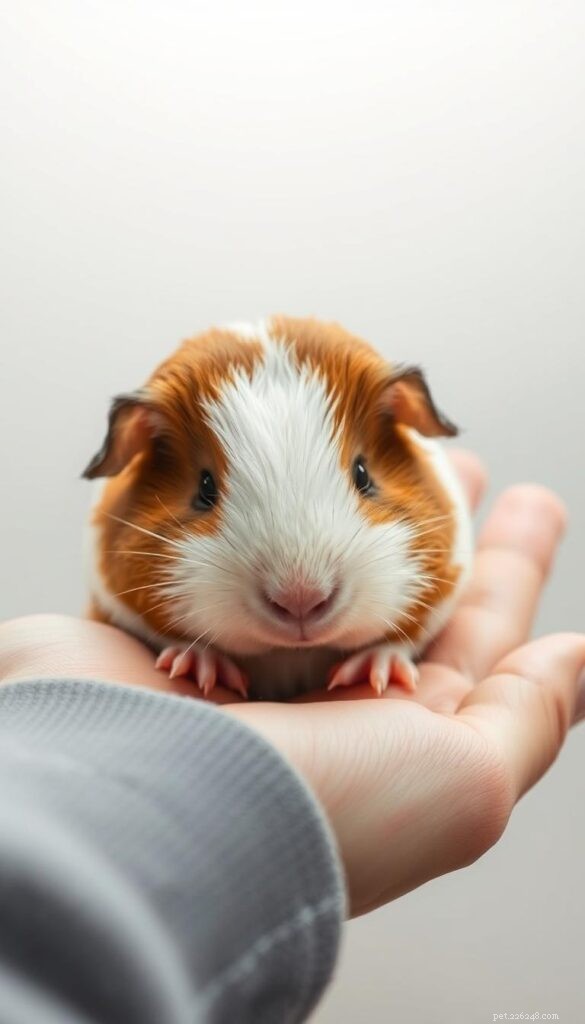
Seated and Lap Positions
When seated on the floor, place a fleece‑lined towel across your legs to catch accidents and provide warmth. For lap holds, keep one hand under the chest and the other supporting the hindquarters. The cradled position, where the guinea pig lies flat against your forearm with spine alignment, mimics a burrow and reduces anxiety.
Limit sessions to 15–20 minutes to prevent fatigue. Use pee pads if you’re worried about accidents.
| Position | Benefits | Tips |
|---|---|---|
| Lap Hold | Reduces fall risk | Use pee pads |
| Floor Sit | Encourages movement | Offer treats |
| Cradle Support | Calms anxious pets | Maintain spine alignment |
Daily handling strengthens trust, but always watch for signs of restlessness. If the animal wobbles or nibbles, return them calmly to their cage. Consistent, brief sessions teach them to associate your touch with security.
Understanding Why Guinea Pigs May Run Away
Your guinea pig’s dash for cover isn’t rejection—it’s biology in action. These small pets evolved to prioritize survival over curiosity, making sudden movements trigger a flight response.
Natural Prey Instincts and Their Effects
Centuries of evading predators hardwired quick escapes into their behavior. When you try to pick them up too fast, their brain registers “danger” before they consciously decide to bolt. This explains why even friendly pets might sprint when approached from above.
Dr. Emily Sanders, a recognized animal behaviorist, notes: “Small prey species like guinea pigs measure safety in seconds—their reaction speed determines survival. Patience helps override these ancient alarms.”
Techniques to Gain Their Trust
Let them get used to your presence by sitting near their habitat daily, offering veggies without forcing contact. Over time, they’ll associate you with positive experiences. Try pick interactions during quiet moments when they’re already exploring.
| Effective Approach | Ineffective Approach |
|---|---|
| Hand‑feeding treats | Chasing around the cage |
| Soft humming during bonding | Loud phone conversations nearby |
| Consistent daily sessions | Irregular handling attempts |
If they still run away after weeks, respect their preferences. Some guinea pigs simply enjoy independence more than cuddles. Focus on trust‑building activities they tolerate, such as floor‑time exploration or gentle chin scratches.
Handling Special Circumstances with Care
Special situations require tailored approaches to keep your furry friends safe. Pregnancy and newborn care demand extra sensitivity.
Supporting Expectant Mothers
Limit interactions during late pregnancy to essential checks. A growing belly can make movement awkward, and stress hormones can affect developing babies. If you must lift her, create a makeshift ramp with your forearm to reduce abdominal pressure.
| Situation | Recommended Action |
|---|---|
| Final month of pregnancy | Handle only for health inspections |
| Post‑birth recovery | Wait 48 hours before cage cleaning |
| Nursing period | Offer food near hiding spots |
Caring for Newborn Cavies
Resist touching babies for 7–10 days. Their fragile bodies and underdeveloped immune systems need protection. When introducing yourself:
- Start with brief nose strokes
- Use a shallow container for transport
- Keep sessions under 5 minutes initially
New mothers often feel protective—observe interactions before handling. If she seems agitated, postpone bonding attempts. With time and gentle encouragement, both mom and pups will welcome your presence.
Enhancing the Bond with Positive Reinforcement
Building a joyful connection involves more than gentle handling—it’s about creating positive memories together. Food‑driven interactions work wonders for herbivorous pets.
Using Treats and Gentle Voice Cues
Timing matters when rewarding good behavior. Hand‑feed a spinach leaf immediately after successful lap time to reinforce trust. Pair treats with soft, repetitive phrases like “Good piggy” to build voice recognition. Consistency helps them link your words to safety.
Keep sessions short but frequent. Five‑minute daily interactions with cucumber slices or bell peppers work better than hour‑long cuddles. Watch for happy behaviors like relaxed stretching—these signal comfort. Recognizing these cues helps adjust your approach.
Celebrate small victories. If your piggy approaches without hesitation, offer extra parsley. Over time, they’ll seek your company, turning wary nibbles into confident snuggles. Patience transforms routine care into cherished bonding time.
FAQ
Why do guinea pigs run away when I try to pick them up?
They are prey animals; sudden movements or loud noises trigger their instinct to flee. Building trust through calm interactions helps them feel secure over time.
How can I make my guinea pig comfortable being held?
Place your hand near their cage daily to let them get used to your scent. Offer treats and use a gentle voice to create positive associations before attempting to lift them.
What’s the safest way to hold a guinea pig?
Support their bottom and back legs with one hand while keeping the other hand gently around their chest. Avoid squeezing or lifting too high, as this can cause injury or stress.
Should I avoid certain scents before handling my pet?
Yes! Strong perfumes, lotions, or food smells on your hands might startle them. Always wash your hands with unscented soap to keep their sensitive noses at ease.
Can I pick up a baby guinea pig the same way as an adult?
Babies are more fragile, so use extra care. Cup them gently with both hands and keep interactions short until they grow accustomed to your touch.
Why does my guinea pig wiggle when I hold them?
Wiggling often means they feel insecure or want to explore. Ensure you’re supporting their body fully, and return them to their cage if they seem overly stressed.
How long should I hold my guinea pig each day?
Start with 5–10 minutes and gradually increase as they build confidence. Always watch for signs of discomfort, like teeth chattering or frantic movements.
Are treats helpful during handling sessions?
Absolutely! Offering veggies or hay‑based snacks while holding them reinforces positive feelings. Pair treats with soft praise to deepen your bond.
- When Is the Ideal Age to Spay or Neuter Your Rabbit?
- Puppy Sleep Schedule: How to Help Your New Dog Sleep Through the Night
- FLUTD & UTI in Cats: Causes, Symptoms & Care
- Understanding Why Cats Blink Slowly: Insights into Feline Communication
- How Supporting Your Dog or Cat’s Gut Microbiome Boosts Health & Immunity
- Choosing the Right Plants for Reptile & Amphibian Terrariums
- How to Retrain Your Cat to Use the Litterbox: 9 Proven Steps