

Are You Allergic to Guinea Pigs? Expert Guide to Symptoms, Diagnosis, and Management
Guinea pigs are beloved for their gentle temperament, but for some owners, the cuddle sessions become a source of sneezing, itchy skin, and breathing discomfort. Allergic reactions to these small rodents are more common than many realize and can affect both seasoned owners and newcomers alike.
Contrary to the “hypoallergenic” myth, proteins in a guinea pig’s saliva, urine, and dander can trigger immune responses. The severity ranges from a mild runny nose to asthma‑like breathing difficulties or skin rashes. Symptoms may appear minutes after contact or develop several hours later.
Why might someone develop a reaction after years of healthy ownership? The immune system evolves, and repeated exposure can sensitize it. Laboratory workers who handle guinea pigs routinely report similar issues, underscoring the unpredictable nature of these allergies.
This article explains how to distinguish genuine sensitivities from environmental irritants and offers practical steps to manage symptoms while keeping your pet—because letting go isn’t always the only option.
Understanding Guinea Pig Allergies
Owning a guinea pig brings joy, yet hidden allergens can turn playtime into discomfort. Tiny particles from the animal’s body trigger reactions in sensitive individuals, creating daily challenges. Below we explore what makes these pets allergenic and how that impacts your routine.
Common Allergen Sources
Saliva and urine contain primary irritants. When dried, they bind to microscopic skin flakes—dander—producing airborne particles under 0.8 µm that can penetrate deep into the lungs. This explains why asthma symptoms often flare during exposure.
Impact on Daily Life
Allergens cling to fabrics, carpets, and ventilation systems, forcing the immune system to release histamines that cause sneezing or rashes. Frequent cleaning becomes essential, though complete elimination is nearly impossible. Persistent symptoms can disrupt sleep and limit playtime with your pet.
Balancing affection with practical safeguards—such as designated handling zones or HEPA air purifiers—can reduce discomfort without sacrificing companionship.
Triggers of Guinea Pig Allergy in Owners
Proteins from saliva, urine, and dander spread across the animal’s fur during grooming. Handling or cleaning a cage transfers these proteins to hands and clothing, sparking reactions in sensitive people.
Airborne particles can linger for hours, settling on furniture and bedding. An immunology study notes that allergens from a single cage‑cleaning session can persist for days, which explains flare‑ups even when the guinea pig isn’t nearby.
Hairless breeds—such as the skinny pig—are not safer; they still produce dander and saliva proteins. Some animals secrete more allergenic proteins than others, so regular brushing or cage changes can lower irritants but not eliminate them entirely.
Understanding these triggers helps you design safer routines. Wash hands after play, use air filters, and maintain a clean environment to keep allergy symptoms at bay.
Recognizing the Signs of Guinea Pig Allergy

Differentiating love for your pet from allergic responses begins with recognizing the body’s signals. Reactions often mirror seasonal sniffles but are closely tied to handling or proximity.
Common Symptoms to Watch For
Minor cases start with sneezing or a runny nose. Watery eyes and itchy skin frequently appear after direct contact. More severe reactions include wheezing, shortness of breath, or facial swelling—especially around the eyelids or lips—within 30 minutes of exposure.
| Symptom | Guinea Pig Allergy | Other Conditions |
|---|---|---|
| Sneezing | During/after handling | Seasonal pollen |
| Skin rash | Localized contact areas | Chemical irritants |
| Breathing issues | Near cage | Asthma triggers |
Severity Variations
One person might tolerate brief cuddles but experience asthma attacks during cage cleanings. Another may react to airborne dander without touching the animal. Repeated exposure often escalates severity.
Delayed reactions—symptoms appearing hours after contact—can be confusing. Tracking activities helps link flare‑ups to specific interactions. Mild sneezing can progress to persistent congestion if unmanaged.
Can You Be Allergic to Guinea Pigs?
Scientific research places guinea pigs among the most common household allergy triggers. Proteins in their saliva and dander provoke immune responses similar to those seen with cats or dogs. A 2023 study found that 15 % of pet owners develop sensitivities over time, with laboratory workers experiencing higher rates due to frequent exposure.
Hairless varieties still produce allergenic proteins. “Dander isn’t fur‑dependent—it’s shed skin cells,” explains a 2023 Journal of Allergy report. Key allergens include Cav p 1 (saliva protein), Cav p 2 (urine protein), and dried skin flakes in bedding.
Genetics play a role. Individuals with pre‑existing pet allergies or asthma often react faster. Symptoms may surface months after adoption as cumulative exposure reaches a tipping point. Unlike seasonal pollen, these reactions persist year‑round wherever the pet lives.
“Guinea pig allergies are underdiagnosed because symptoms mimic colds,” notes Dr. Ellen Torres of the Asthma & Allergy Foundation. Skin testing offers clearer answers than blood work alone.
Managing sensitivities involves practical adjustments rather than rehoming the pet. Air purifiers, frequent cage cleanings, and hand washing reduce airborne irritants. Avoid face contact during play to minimize flare‑ups.
Hay, Bedding, and Shavings: Their Role in Allergic Reactions
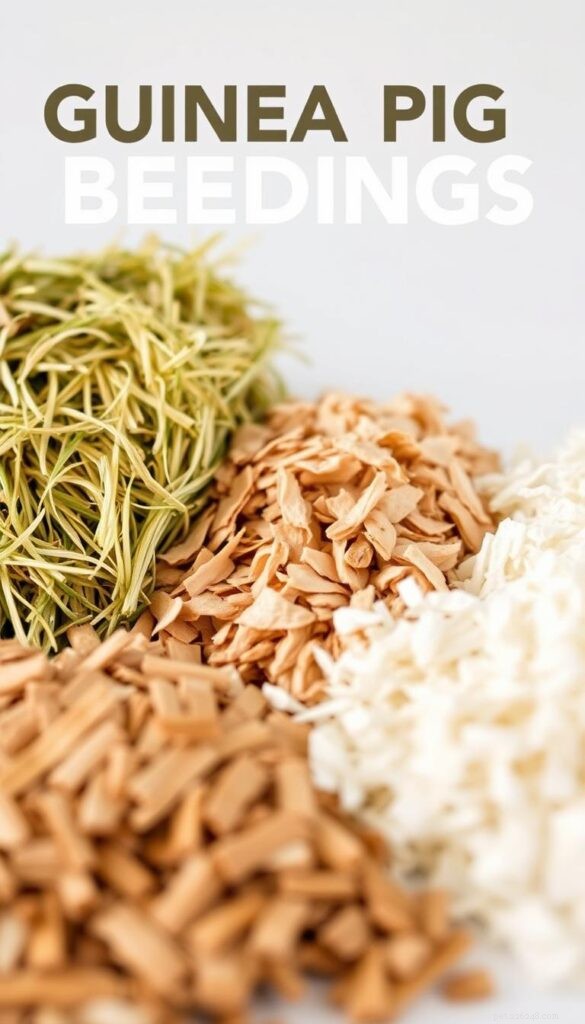
Your sneezing fits might stem more from the cage environment than the animal itself. Bedding and food can harbor irritants that mimic true sensitivities.
Hay Allergy Overview
Timothy hay—a staple food—carries pollen and mold spores. When shaken, it releases fine dust that triggers hay fever symptoms. Watery eyes after feeding could indicate a hay reaction rather than a pet allergy.
Wood Shavings: A Hidden Trigger
Even “dust‑free” bedding sheds microscopic particles during cleaning. Pine or cedar shavings release volatile oils that aggravate respiratory issues. Symptoms peak when airborne allergens settle on skin or clothes.
| Material | Common Reactions | Prevention Tips |
|---|---|---|
| Timothy Hay | Sneezing, nasal congestion | Store in sealed containers |
| Wood Shavings | Coughing, skin redness | Use recycled paper bedding |
| Dusty Pellets | Wheezing, eye irritation | Wear masks during cleaning |
Track when symptoms flare—during feeding or cage maintenance—to distinguish environmental exposure from direct pet allergies. Switching to low‑dust alternatives often brings relief without rehoming.
Understanding Guinea Pig Fur, Dander, and Saliva Allergens
Those fluffy cuddles come with invisible hitchhikers. Microscopic proteins in a guinea pig’s dander, fur, and saliva create the perfect storm for allergic reactions. Here’s what makes them so sneaky.
Key Allergenic Components
Dead skin cells (dander) measure 2.5 µm—smaller than pollen grains. When disturbed, they float through vents and cling to fabrics. Unlike cat or dog dander, guinea pig particles contain unique proteins called Cav p 2 and Cav p 3. Research shows these lipocalins trigger reactions in 65 % and 54 % of sensitive individuals, respectively.
Saliva plays a significant role. During grooming, guinea pigs coat their fur with allergenic proteins. One study found that 80 % of fur samples carried Cav p 2. These proteins become airborne when fur sheds, and touching your face after handling transfers allergens directly to mucous membranes.
Key distinctions:
- Species‑specific proteins that do not cross‑react with other pets
- Particles remain airborne for hours after disturbance
- Saliva bonds tightly to clothing fibers
Understanding these mechanics explains why symptoms linger even after cage cleanings. While no breed is truly hypoallergenic, knowing your triggers empowers smarter cohabitation strategies.
Allergy Testing and Diagnosis Procedures
Persistent sniffles after pet interaction warrant professional evaluation. Specialized clinics use precise methods to pinpoint triggers, separating true sensitivities from environmental irritants.
Skin Prick vs. Blood Testing
Skin prick tests expose your forearm to tiny allergen extracts. Clinicians measure swelling or redness at the site within 15 minutes—positive reactions resemble mosquito bites. The quick method identifies immediate immune responses but requires stopping antihistamines 3‑7 days beforehand.
Blood tests analyze IgE antibodies specific to guinea pig proteins. Results take days but suit those with skin conditions or medication restrictions. Both methods detect Cav p 1 and Cav p 2 antibodies, confirming whether your symptoms stem from these proteins or unrelated factors like hay dust.
Preparation matters. Avoid:
- Oral antihistamines 72 hours before skin testing
- Steroid creams near test areas
- Heavy meals that might cause lightheadedness
“Self‑diagnosis often misses overlapping triggers,” notes Dr. Ellen Torres. Professional assessments rule out mold or pollen culprits hiding in bedding materials. Clear results empower smarter choices—whether adjusting care routines or exploring immunotherapy options.
Managing Your Allergy Symptoms Effectively
Living with sensitivities doesn’t mean parting with your pet. Smart habits and targeted treatments create a healthier environment for both.
Start by storing hay in sealed containers to reduce airborne dust—a simple change that cuts down on sneezing triggers.
Wear gloves and a mask during cage cleanings to limit direct contact with allergens. Open windows while tidying to boost ventilation, and consider placing an air purifier near the habitat. These steps minimize particles that trigger respiratory symptoms.
Over‑the‑counter antihistamines often provide quick relief for mild reactions. For persistent issues, allergists may recommend:
- Nasal corticosteroids to reduce inflammation
- Prescription‑strength eye drops for itch relief
- Immunotherapy for long‑term tolerance building
Track symptom patterns using a journal. Note when reactions peak—after handling or during feeding—to identify which adjustments work best. One study found weekly cage cleanings reduced allergen levels by 40 % compared to monthly routines.
| Strategy | Immediate Relief | Long‑Term Benefit |
|---|---|---|
| Air Purifiers | Reduces airborne irritants | Lowers overall exposure |
| Handwashing | Removes surface allergens | Prevents symptom transfer |
| Medication | Blocks histamine release | Improves daily comfort |
Work with your doctor to balance pet care and health needs. Many find that combining environmental controls with medical support lets them enjoy guinea pigs without constant discomfort. Consistent routines make all the difference in managing allergies over time.
Strategies for Safe Guinea Pig Care for Allergic Individuals
Protecting your health doesn’t mean sacrificing quality time with your pets. Simple adjustments to care routines create safer interactions while preserving companionship.
Protective Measures When Handling Your Pets
Wear snug‑fitting gloves and long sleeves during playtime or cage maintenance. Dedicated tools like food scoops minimize contact with saliva during feeding.
After handling, wash hands thoroughly with soap and cool water. Avoid touching your face until allergens are fully removed. Use long‑handled brushes for grooming to limit direct contact.
Swap traditional bedding for low‑dust alternatives like fleece liners. These materials trap particles effectively, reducing airborne irritants. Regularly launder fabric items in hot water to eliminate protein buildup.
Designate a specific area for interactions away from bedrooms or upholstered furniture. Use HEPA filters nearby to capture floating particles. These steps help maintain a strong bond while keeping symptoms manageable.
FAQ
What causes allergies to guinea pigs?
Allergic reactions often stem from proteins in urine, saliva, or dander. These particles cling to fur or become airborne, triggering immune responses in sensitive individuals.
Can hay or bedding worsen symptoms?
Yes! Timothy hay and cedar shavings release dust or phenols that irritate airways. Opt for low‑dust hay alternatives and aspen bedding to reduce risks.
How do I know if I’m allergic to my pet?
Watch for sneezing, itchy eyes, rashes, or wheezing after contact. An allergist can confirm through skin prick tests or IgE blood panels targeting cav p 1/cav p 2 proteins.
Are certain breeds less allergenic?
No guinea pig is hypoallergenic. Hairless varieties like Skinny Pigs still produce dander and saliva allergens. Regular cage cleaning minimizes exposure.
What helps manage symptoms around pets?
Use HEPA filters, wash hands after handling, and designate “no‑pet zones” like bedrooms. Over‑the‑counter antihistamines or nasal sprays may ease mild reactions.
Can asthma flare‑ups occur from guinea pigs?
Yes. Inhaled allergens may cause coughing, chest tightness, or shortness of breath. Consult your doctor about asthma action plans if symptoms worsen.
Do allergies develop over time?
Sensitivity can appear suddenly, even after years of ownership. Repeated exposure can gradually increase immune system reactions.
Are children more at risk for severe reactions?
Kids with existing eczema or food allergies may face higher risks. Monitor for facial swelling or difficulty breathing, which require immediate medical care.
- Understanding Canine Parvovirus: Symptoms, Prevention, and Care
- How to Care for Ducks: A Practical Guide for Pet Owners
- Is Soy Sauce Safe for Dogs? Health Risks and Guidelines
- Understanding and Treating Swollen Dog Eyes: Causes, Symptoms, and Care
- Keeping Swans as Pets: Legalities, Care, and Practical Tips
- Choosing the Right Doggy Daycare: A Guide for Pet Owners
- Understanding Cat Skin Tags: Causes, Symptoms, and Vet Care