

Peruvian Guinea Pig Care Guide: Grooming, Nutrition, Housing & Lifestyle
The Peruvian guinea pig is celebrated for its long, silky coat that can reach 12‑14 inches, making it a striking and sweet‑tempered companion. These animals thrive best with experienced, responsible owners because of their grooming demands and active nature.
Ready to learn how to care for this elegant breed? Check out our review of the best guinea pig cages here ↗️
Temperament & Appearance
Peruvian guinea pigs are inquisitive, alert, and surprisingly brave compared to other breeds. Their bodies grow to 7‑10 inches, and their coats—especially the “mane” that starts along the back—require regular maintenance.
These gentle, intelligent pets are playful and thrive on interaction, making them delightful companions for the right owner.
Grooming
Daily brushing is essential to prevent matting and the severe condition known as flystrike. Brush each day and perform a quick check and cleaning (wash the lower half only) once or twice daily. Keep the cage clean daily as well.
Lifespan
While most guinea pigs live 5‑8 years, Peruvian guinea pigs can reach an impressive 12‑14 years with proper care.
Cage Requirements
Space matters: a single guinea pig needs at least 7.5 sq ft; for two or more, aim for 10 sq ft or more. Choose a cage with tightly spaced, chew‑proof bars—metal is ideal, but high‑quality plastic works too. Place the cage in a quiet, safe area away from children, other pets, and television screens.
We recommend the Prevue Indoor Guinea Pig Cage, favored by breeders and societies worldwide for its size and durability.
Bedding
Straw is unsuitable for Peruvian guinea pigs because it can become tangled in their long hair. Opt for pet store‑sourced aspen wood shavings or paper‑based bedding. For more options, see our article on alternative bedding choices here.
Food & Water
Nutrition is critical. Guinea pigs cannot synthesize vitamin C, so a diet rich in fresh produce and fortified pellets is mandatory to prevent scurvy.
Vitamin C
Provide daily fresh fruit or vegetables high in vitamin C, and supplement with Small Pets fortified Pellets on Amazon ↗️. Vitamin C treats are also available as a supplement.
Timothy Hay
Unlimited access to fresh Timothy hay keeps teeth in check and offers essential fiber. This low‑sugar, high‑fiber option aligns with a guinea pig’s natural diet.
Pellets
Supplement with nutritionally balanced pellets that contain protein, fiber, and vitamin C.
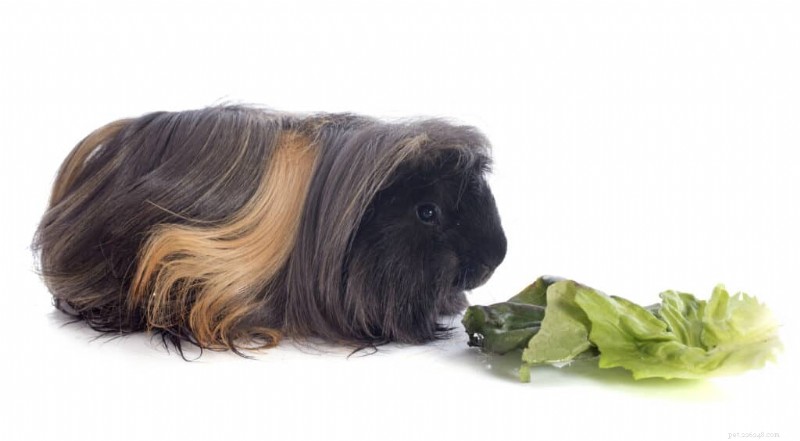
Fruits, Veggies & Greens
Daily fresh produce enriches the diet with antioxidants and vitamins. Choose safe options and limit portions to avoid digestive upset.
- Fruits: Raspberries (1‑2 per week), strawberries (up to ⅓ per week), oranges (1‑2 slices 2‑3 times a week), apples (½ cup 1‑3 times a week), blueberries, blackberries, peaches, etc.
- Veggies: Red/green bell peppers, cucumber, broccoli (small portions), carrots, cauliflower leaves—always check for safety.
- Greens: Romaine lettuce, red & green leaf lettuce, dandelion greens, carrot tops, cabbage—always verify compatibility.
Sociability
Guinea pigs are herd animals and thrive in groups of the same gender. Peruvian guinea pigs are particularly sociable with humans and enjoy petting and hand‑feeding.
Exercise
Provide safe, guinea pig‑proof play areas outside the cage to allow stretching and exploration. Consider low ramps to prevent falls and keep the environment secure from cords, toxic plants, and predators.
Final Thoughts
With proper grooming, nutrition, housing, and affection, Peruvian guinea pigs can become long‑lived, healthy, and loving pets. The basics—diet, daily care, and social interaction—are the foundation of a thriving companion.
- 17 Stunning Labrador Retriever Photos to Brighten Your Day
- Conure Diarrhea: Expert Step-by-Step Care Guide
- Do Dogs Feel Replaced? Understanding Canine Jealousy
- How Often Should You Bathe Your Dog? Expert Recommendations for Clean, Healthy Pups
- Planned Parenthood Launches Animated Cat-Themed Series to Educate on Reproductive Health
- Redbubble Mug Review: Quality, Design, and Value Explained
- Top-Rated Cat Backpacks: Comfort & Convenience for Your Feline Companion