

Are Guinea Pigs Susceptible to Cold? Understanding Temperature Limits and Care
Do guinea pigs feel the chill? Absolutely. Though they may look hardy, these small rodents are as vulnerable to temperature changes as any other mammal.
For optimal health, keep their environment above 60 °F (15.5 °C). Below that, hypothermia can develop rapidly, compromising circulation, respiration, and immune function.
Table of Contents
- What Climate Do Guinea Pigs Naturally Live In
- What Does Hypothermia In Guinea Pigs Look Like
- Keeping Your Guinea Pig Warm
- Do Guinea Pigs Get Cold Indoors
- Do Guinea Pigs Get Cold Outdoors?
- Quality Bedding Will Insulate Your Guinea Pig’s Home
- Aspen Wood Shavings
- Small Pet Select Premium Natural Aspen Bedding, Animal Bedding for Small Indoor and Outdoor Pets, Made in The USA, Jumbo Size 141 L Pack
- Paper
- carefresh 99% Dust‑Free Blue Natural Paper Small Pet Bedding with Odor Control, 50 L
- Fleece
- 1 Pack 3 Blankets Super Soft Cute Dot Pattern Pet Blanket Flannel Throw for Dog Puppy Cat Beige/Brown/Pink Medium
- Animals Stay Warmer When They Are Able To Move
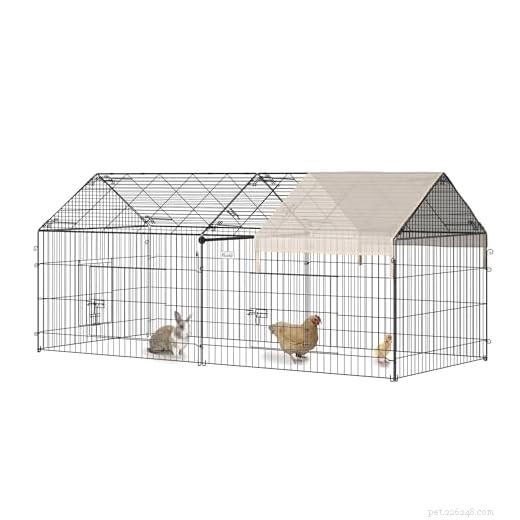
- PawHut Metal Chicken Coop, 87" × 41" × 41" Chicken Run Pen for Yard with Cover, Portable Catio Poultry Cage Indoor Outdoor Backyard, Cat Cage for Rabbit,…
- Give Your Guinea Pig Limitless Hay So They Can Stay Warm And Full
- Give Your Guinea Pig A Tiny House To Warm Up In
- Prevue Hendryx 1097 Nature's Hideaway Grass Hut Toy, Medium, 11 × 9 × 6
- Bring Your Guinea Pig Inside In The Winter
- Final Thoughts
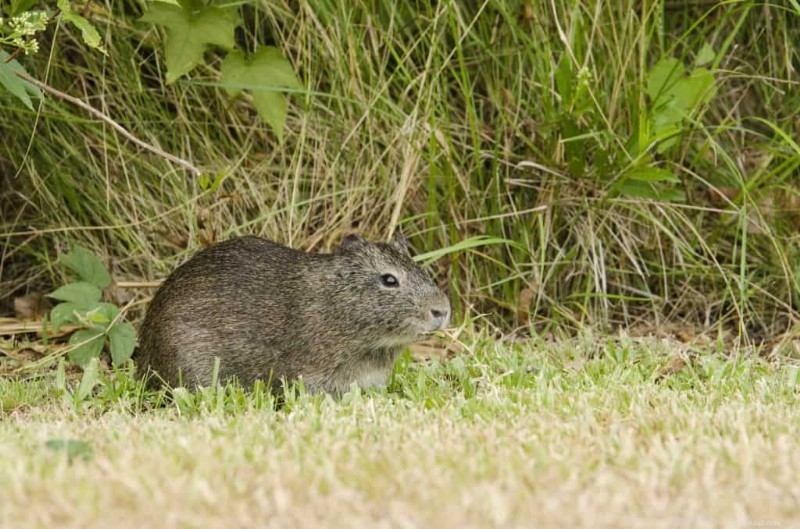
What Climate Do Guinea Pigs Naturally Live In
Native to South America, guinea pigs evolved in warm, humid ecosystems such as cloud forests, savannas, and mountain foothills—places where daytime temperatures consistently exceed 60 °F.
When exposed to cooler or wet conditions, they instinctively seek shelter in dry burrows or under dense foliage. Sudden drops in temperature or rain can still pose a hypothermic risk, even today.
What Does Hypothermia In Guinea Pigs Look Like
Signs of hypothermia include a pronounced reluctance to move, rapid and shallow breathing, decreased appetite, and hair standing on end. Early intervention—keeping the animal warm and consulting a veterinarian—can reverse the condition.
Keeping Your Guinea Pig Warm
Below are key strategies to maintain a stable, comfortable temperature for your pet, whether indoors or outdoors.
Do Guinea Pigs Get Cold Indoors
Indoor housing is the most reliable method to protect guinea pigs from drafty temperatures. Position the cage away from windows, doors, and air‑conditioning vents, and choose a quiet, centrally located room.
Do Guinea Pigs Get Cold Outdoors?
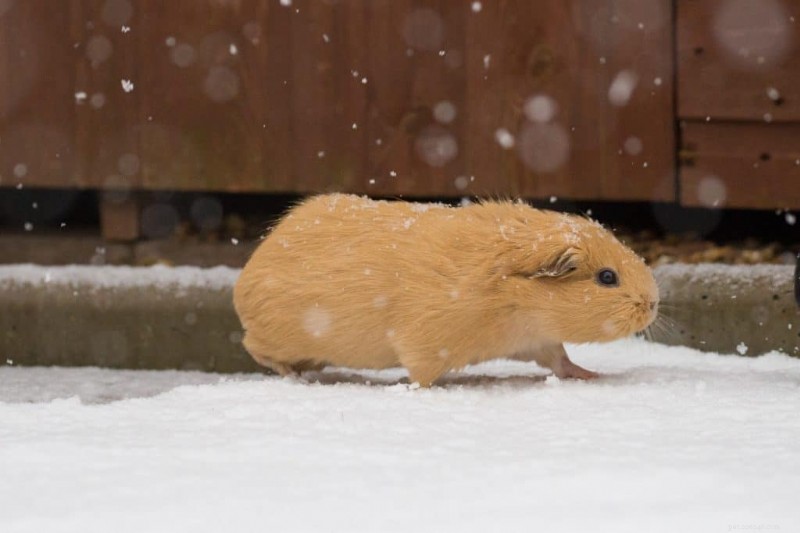
Outdoor housing is feasible but requires a well‑designed hutch that shelters from wind, rain, and predators. Waterproof covers and an enclosed nesting box provide additional insulation.
Maintain a temperature of 60–80 °F (15.5–26.6 °C) in the hutch. Use heating pads, blankets, and a thermometer to monitor conditions. If the temperature drops below 60 °F, bring the guinea pig indoors immediately.
Best Indoor Guinea Pig Cage Review Here!
Quality Bedding Will Insulate Your Guinea Pig’s Home
Proper bedding is critical for warmth, hygiene, and comfort. Two of the most effective materials are aspen wood shavings and paper.
Aspen Wood Shavings
Aspen shavings are soft, hypoallergenic, and free of pine or cedar toxins that can irritate respiratory systems.
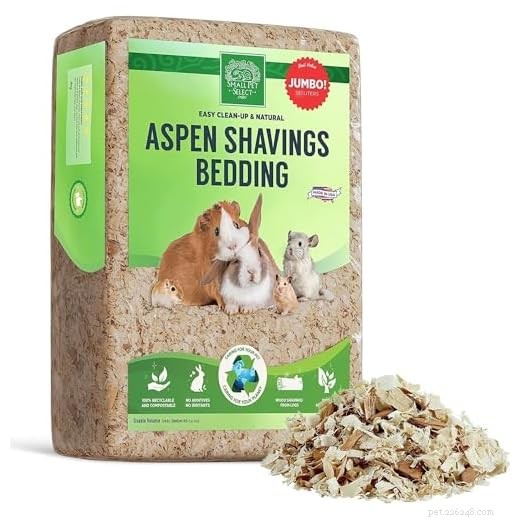
Small Pet Select Premium Natural Aspen Bedding, Animal Bedding for Small Indoor and Outdoor Pets, Made in The USA, Jumbo Size 141 L Pack
in stock
Amazon.com
Amazon price updated: June 10, 2026 14:41
Always choose pet‑store‑grade shavings; lumberyard shavings may carry mites or untreated dust.
Paper
Plain, ink‑free paper—shredded or pulped—offers excellent absorbency and is cost‑effective. Commercial options like carefresh are specifically formulated for small pets.
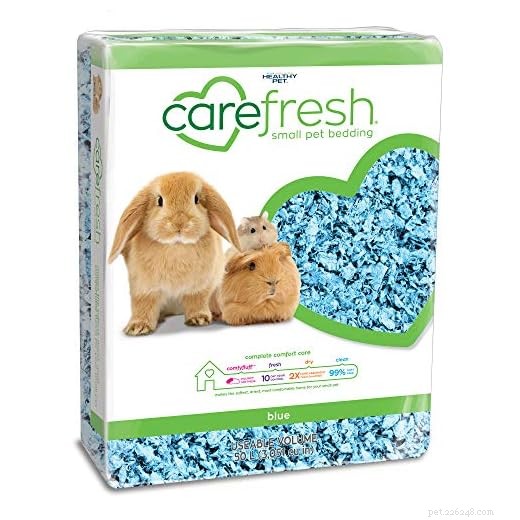
carefresh 99% Dust‑Free Blue Natural Paper Small Pet Bedding with Odor Control, 50 L
in stock
Amazon.com
Amazon price updated: June 10, 2026 14:41
Fleece
Soft fleece blankets provide an extra layer of insulation. Rabbit fleeces are durable and easy to clean—wash weekly and alternate to maintain hygiene.
Luciphia blankets are a popular choice for their plush feel and pattern variety.
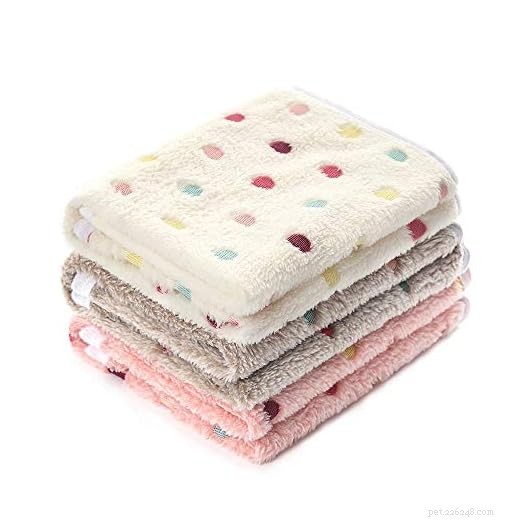
1 Pack 3 Blankets Super Soft Cute Dot Pattern Pet Blanket Flannel Throw for Dog Puppy Cat Beige/Brown/Pink Medium
in stock
Amazon.com
Amazon price updated: June 10, 2026 14:41
Animals Stay Warmer When They Are Able To Move
Physical activity increases blood flow and body heat. Provide a safe play area—indoors if possible, or a predator‑proof outdoor enclosure—so your guinea pig can exercise and stay warm.
PawHut Metal Chicken Coop, 87" × 41" × 41" Chicken Run Pen for Yard with Cover, Portable Catio Poultry Cage Indoor Outdoor Backyard, Cat Cage for Rabbit,… is a versatile option available on Amazon.
Give Your Guinea Pig Limitless Hay So They Can Stay Warm And Full
Unlimited access to fresh hay supports digestive health, dental wear, and metabolic activity—all of which help generate body heat.
Give Your Guinea Pig A Tiny House To Warm Up In
Providing a small, insulated hut or igloo lets guinea pigs burrow and shield themselves from drafts.
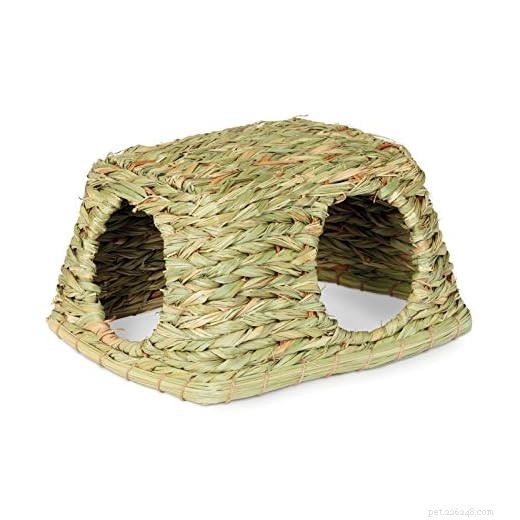
Prevue Hendryx 1097 Nature's Hideaway Grass Hut Toy, Medium, 11 × 9 × 6
Amazon.com
Bring Your Guinea Pig Inside In The Winter
During winter months, keep the cage in a stable environment that never falls below 60 °F. Insulate the sides with blankets, towels, or carpet, and avoid placing the enclosure in a drafty garage or near combustion appliances.
Outdoor hutters should include a waterproof cover and an enclosed nesting box to reduce chill exposure. Keep bedding dry; wet material lowers the cage temperature.
Temperatures below 60 °F can lead to respiratory distress and fatal hypothermia—bring your guinea pig inside promptly.
Final Thoughts
Guinea pigs are highly sensitive to temperature extremes. Maintain a range of 60–80 °F, provide quality bedding, secure indoor housing, and ensure ample hay and exercise to keep your pet healthy and warm.
- 10 Compact Exotic Pets Perfect for Small Living Spaces
- Is It Normal for Cats to Sleep in Their Litter Box? What You Need to Know
- Understanding Parakeet Mating & Reproduction: A Guide for Pet Owners
- Low-Protein Kidney Diets: When They’re Not the Right Choice
- Can Dogs Eat Pancakes? The Safe Guide for Your Pet
- Calm Your Furry Friend: Expert Tips to Approach and Comfort a Scared Cat
- Green-Wing Macaw (Red & Green Macaw): Comprehensive Species Guide