

What Is a Group of Hummingbirds Called? A Bouquet, a Charm, or Something Else?
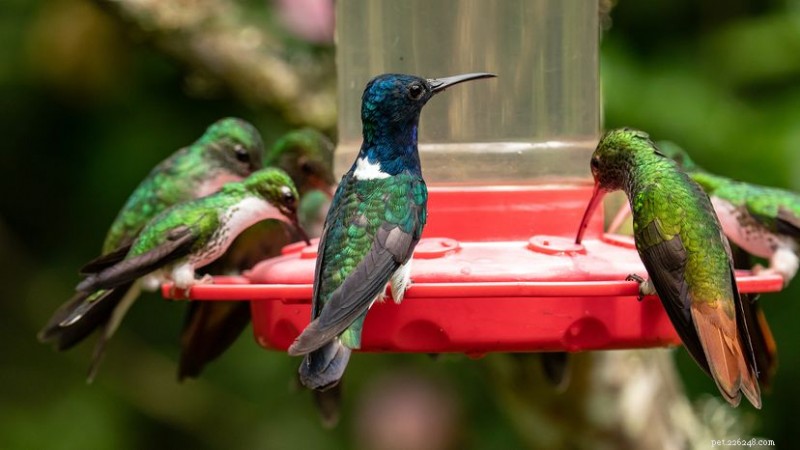
This hummingbird looks like he just realized he's never before wondered what his group is called. Clayton Harrison / Shutterstock
Hummingbirds have captivated observers for decades with their iridescent feathers and astonishing hovering abilities. When you see several of these tiny birds congregating, you might wonder: what do we call a group of hummingbirds?
A Bouquet or a Charm
Unlike most avian species that form flocks, hummingbirds are usually referred to by the poetic collective noun “bouquet.” Some sources also use “charm.” Both terms highlight the visual allure of these small, vibrant birds as they dart and shimmer together, especially when feeding.
In practice, hummingbirds rarely maintain tightly coordinated groups. They are fiercely territorial, particularly around high‑value food sources such as nectar feeders or blooming flowers. Therefore, a cluster of hummingbirds in the same space is typically a temporary gathering rather than a true flock.
Why Don’t Hummingbirds Flock?
Most hummingbird species are solitary by nature. Males are especially competitive, defending their territory with aggressive displays. Females usually feed or nest alone as well.
That said, during migration seasons—especially in spring and fall—you may encounter larger numbers of hummingbirds refueling together along the Gulf Coast, in northern Mexico, or the southern United States. These brief assemblages are the closest hummingbirds come to a collective group.
Migration and Group Behavior
Species such as the ruby‑throated hummingbird travel north to Canada during warmer months, while some reach as far as Alaska. Come winter, they undertake thousands‑mile journeys back to Central America and Mexico.
Unlike geese, which travel in highly coordinated V‑formations, each hummingbird flies solo. However, feeders along migration corridors can become temporary hotspots where several birds feed side by side. Social media often showcases these fleeting moments, captivating viewers with their beauty.
Feeders, Food, and Territory
Hummingbirds are constantly on the lookout for nectar, their primary energy source, and they supplement their diet with small insects for protein. When food is abundant—such as during peak bloom or when feeders are replenished—multiple birds may tolerate each other for short periods.
In colder regions, many people continue feeding hummingbirds into early fall to help them prepare for migration, especially in the northern United States and southern Canada.
Adding extra feeders spaced apart can reduce territorial disputes and attract more birds to your yard.
Words That Reflect Behavior
The term “bouquet” conveys the vibrant, energetic gathering of hummingbirds, offering a more expressive alternative to simply saying “group.” Like other collective nouns—such as a murder of crows or a pandemonium of parrots—these terms give personality to observed animal behavior.
Although a bouquet of hummingbirds may not stay together for long, these birds are still social in their own right. They communicate through body language, posturing, and occasional high‑pitched squeaks. Observing these interactions in your backyard can add an extra layer of fascination to your day.
We created this article in conjunction with AI technology, then had it fact‑checked and edited by a HowStuffWorks editor.
- Chinchillas: Endangered Status, Conservation Efforts, and What Pet Owners Should Know
- Prevent Regurgitation: Proven Tips to Slow Your Cat's Rapid Eating
- How to Invite Your Dog to Family Visits: Tips for Smooth Stays
- Professional DIY Grooming: The Comprehensive Guide for Pet Owners
- Explore Singapore's Top 11 Dog Cafés – Ratings & Reviews Included
- Victor Dog Food Review: 22 Recipes Compared for the Best Nutrition
- Why Cats Drool: Common Causes & Effective Solutions