

15 Common Brown Birds to Spot Across the Northern Hemisphere
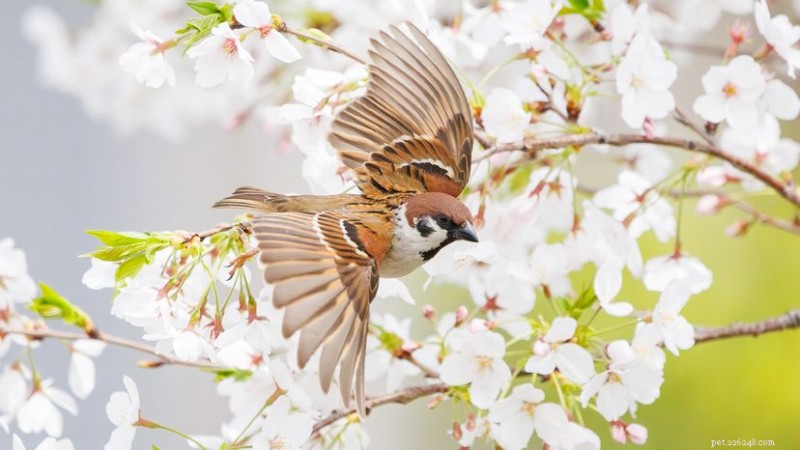
Brown birds are typically ground‑dwelling, foraging, and nesting species. In many Native American traditions, they are viewed as messengers between the spirit world and the physical realm, symbolizing Earth, home, reliability, simplicity, and consistency.
1. House Sparrow
House sparrows are among the most familiar bird species, thriving in close proximity to human settlements. Males are distinguished by a black bib and gray cap, while females exhibit a muted brown plumage with subtle streaks. They gather in flocks—especially in winter—and are known for their bold behavior around people.
2. Song Sparrow
The song sparrow earns its name from its melodic repertoire, which varies regionally. With brown feathers and darker chest streaks, it blends into wetlands, meadows, and backyards, feeding on insects and seeds.
3. Chipping Sparrow
Chipping sparrows are easily identified by their rusty caps and contrasting gray underparts. They favor open woodlands and gardens, foraging on the ground for seeds and insects. Males produce a rapid trilling song during breeding season that marks their territories.
4. Hermit Thrush
A member of the thrush family, the hermit thrush is famed for its ethereal, flute‑like song. Its brown plumage, spotted chest, and reddish tail distinguish it from other thrushes. It remains close to the forest floor, turning over leaves to uncover beetles and spiders.
5. Carolina Wren
Carolina wrens are small, energetic birds with warm brown feathers and a distinctive white eyebrow stripe. Their loud, musical calls are often heard before sight, booming from dense shrubs and tree trunks. They nest in cavities, including natural hollows, man‑made structures, and even discarded boots left outdoors.
6. Brown Creeper
The brown creeper is a master of camouflage, blending seamlessly with tree bark thanks to its streaked brown and gray plumage. With a slender body and curved beak, it spirals upward along tree trunks in search of bark‑dwelling insects, remaining largely hidden from view.
7. Fox Sparrow
Fox sparrows are large, chunky birds with reddish‑brown plumage and bold chest streaks. They thrive in brushy habitats, using powerful legs to disturb leaf litter while searching for food. These migrants appear across North America seasonally.
8. Wood Thrush
A secretive forest dweller, the wood thrush sports rich brown plumage with dark chest spots. It prefers mature forests and delivers a haunting, flute‑like song that reverberates through the trees. In winter, wood thrushes migrate to Central America.
9. Canyon Wren
The canyon wren is a small bird with reddish‑brown plumage and a long, slender tail. It inhabits rocky cliffs and canyons, where it deftly forages for insects in crevices. Its cascading, musical song makes it more often heard than seen.
10. Pine Siskin
As a finch, the pine siskin displays streaky brown plumage with yellow flashes on its wings. It frequents coniferous forests, feeding on pine‑cone seeds. Highly social, it forms winter flocks with other species.
11. Bewick’s Wren
Bewick’s wren is a small, brown bird with a long, flicking tail held upright. It thrives in brushy habitats, foraging along trunks and dense vegetation. Its rapid, musical notes aid birders in locating it even when hidden.
12. Swainson’s Thrush
Swainson’s thrush is known for its upward‑spiraling song that rises in pitch. With a brown back and spotted chest, it blends into woodland. It undertakes a remarkable migratory journey between North and South America.
13. Winter Wren
The winter wren is a tiny, round‑bodied bird with dark brown feathers. It produces a rapid, bubbling song that fills forests. It builds dome‑shaped nests hidden within thick vegetation for protection against predators.
14. American Pipit
The American pipit is a slender, brownish bird often seen walking along the ground in open fields. Unlike many other species, it constantly bobs its tail while moving. During migration, it appears in large flocks along shorelines and mudflats.
15. Dusky Flycatcher
The dusky flycatcher, small and often overlooked, displays brownish‑gray plumage and a subtle eye ring. It stays in shrubby areas, darting out to catch insects mid‑flight. It breeds in mountainous regions and migrates to lower elevations during colder months.
We created this article in conjunction with AI technology, then fact‑checked and edited by a HowStuffWorks editor.
- Pembroke Welsh Corgi: Traits, History, and Care Guide
- Polydactyl Kittens with Extra Toes Welcomed at Cats Protection Centre
- Are Plant‑Based Meats Safe for Dogs? A Veterinarian’s Guide
- Why Dogs Kiss: The Science Behind Licking and When to Accept It
- Safe & Effective Colloidal Silver Therapy for Dogs
- How to Safely Administer Injectable Medication to Your Dog
- Mr. N Earns His Novice Trick Dog Title in Fundraising Tournament