

What Turkeys Eat: A Complete Guide to Wild and Farm‑Raised Diets
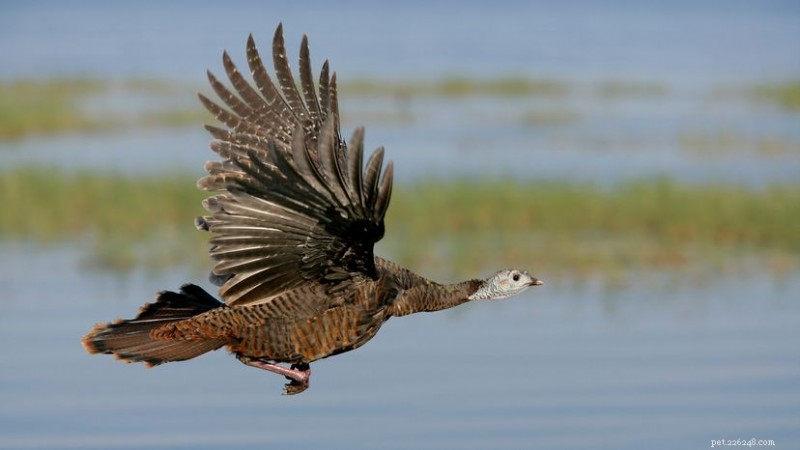
Turkeys are iconic for Thanksgiving, yet most readers are unaware of the diverse foods that sustain them in the wild and on farms. Understanding their diet helps farmers improve flock health and gives birdwatchers deeper insight into natural behaviors.
What Wild Turkeys Eat
Wild turkeys (Meleagris gallopavo) are opportunistic foragers. Their menu shifts with the seasons and varies by region, but the core components remain plant‑based, supplemented by insects and occasional small vertebrates.
- Early Spring: Fresh greens, seeds, and protein‑rich insects fuel the breeding season. Turkeys consume crickets, beetles, and grasshoppers, which provide essential amino acids.
- Summer & Fall: They broaden their diet to include berries, acorns, and wild grapes, storing fat reserves for winter. In the eastern United States, acorn abundance is a critical energy source.
- Winter: Food becomes scarcer; turkeys rely on remaining nuts, seeds, and any accessible insects. Some migrate to lower elevations where forage is still available.
Eastern turkeys, the most widespread subspecies, are particularly adaptable. Their ability to exploit agricultural fields means they will eat grains such as corn or wheat, but their primary intake remains vegetation and insects. According to the USDA, a healthy wild turkey can consume up to 2–3 pounds of food daily, depending on activity level and season.
How Farmers Feed Domesticated Turkeys
Domestic turkeys receive a carefully balanced diet designed to maximize growth and egg production while preventing metabolic disorders. Most commercial operations use a blend of grains, protein sources, and fortified vitamins and minerals.
- Starter Feed: High‑protein meal (typically 16–18% protein) supports rapid growth in the first 8 weeks.
- Grower Feed: Protein is reduced to 14–15% as birds mature, with added energy from corn or barley.
- Finisher Feed: Low protein (12–13%) but high in energy, ensuring carcasses have the desired fat distribution.
Heritage breeds, which retain closer ties to wild ancestors, still display foraging instincts. Farmers sometimes supplement their diets with insects or garden scraps to mimic natural behavior, enhancing welfare and product quality.
Feeding Young Turkeys (Poults)
Poults require a protein‑rich diet to support rapid growth and immune development. Commercial poultry farms provide specialized turkey starter mash that includes 20% protein and 18–20% fat, alongside essential micronutrients such as niacin and calcium.
In the wild, poults are taught by their mother to locate insects and plant material, a critical survival skill. If raised on a farm, offering a diet high in protein and easy digestibility prevents leg problems and improves overall health.
For small‑scale or backyard operations, using a high‑quality turkey feed rather than generic chicken feed yields better growth rates and reduces the risk of metabolic bone disease. Farmers should also provide clean water and safe, shaded resting areas.
All content in this article has been reviewed by a HowStuffWorks editor and fact‑checked against USDA guidelines and peer‑reviewed poultry science literature.
- Littermate Syndrome in Dogs: Causes, Symptoms, and Prevention Tips
- Should You Build a Catio? Expert Guide to Safe Outdoor Spaces for Cats
- Fila Brasileiro – The Powerful Brazilian Mastiff: Traits, Care, and Training Guide
- Is Your Kitten Teething? Signs, Symptoms & How to Help
- Softbill vs Hookbill Birds: Key Diet Differences for Pet Owners
- Cat Pica Explained: Causes, Symptoms, and Effective Treatments
- Boost Your Health This Spring: Simple Tips for a Happier, Healthier You