

Do Parakeets Make Noise at Night? Expert Insights & Proven Solutions
Parakeets are among the most recognizable pet birds, celebrated for their vibrant plumage, playful demeanor, and boundless curiosity. While they bring joy to many homes, their energetic nature can sometimes raise questions about nighttime behavior.
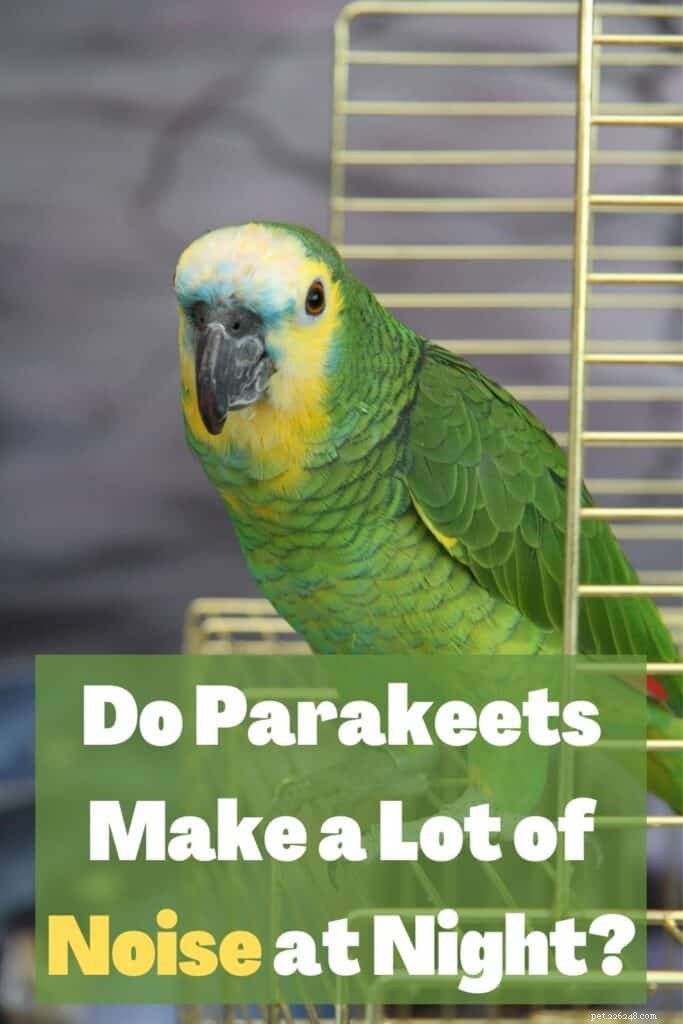
So, do parakeets make a lot of noise at night?
In most cases, no. Parakeets are strictly diurnal birds, meaning they are awake during daylight hours and rest at night. The only notable exceptions are species like the Kakapo, which is nocturnal. This diurnal pattern is shared across all recognized parrot species.
However, a bird’s inner world can be unpredictable, and occasional nighttime vocalizations do occur. Below, we explore the science behind their sleep patterns, why a parakeet might wake up at night, and evidence‑based solutions to help them sleep peacefully.
Uni‑Hemispheric Slow‑Wave Sleep
Parakeets exhibit a unique sleep style called uni‑hemispheric slow‑wave sleep. One hemisphere of the brain remains alert while the other relaxes, allowing the bird to stay aware of predators even during rest. In a secure environment, this can shift to bi‑hemispheric sleep, where both sides of the brain rest together.
If a parakeet is making noise at night, it’s a sign that something is disrupting this natural sleep rhythm.
Why Might a Parakeet Be Noisy After Dark?
Excessive Daylight Exposure
Parakeets thrive on a natural 12–14 hour light cycle. Overexposure to daylight—especially direct, intense sunlight—can overstimulate them, triggering hormonal changes that keep them alert and vocal during the night.
In the wild, these birds emerge at dawn and settle down after sunset. Mimicking this routine at home—using blackout curtains or dimming the lights in the evening—can help regulate their internal clock.
Unstable Nighttime Environment
Noise, bright artificial lights, or sudden temperature shifts can break a parakeet’s sleep. A calm, dimly lit room free of loud appliances promotes restful sleep.
Seeking Attention
Parakeets are highly social. If they feel ignored, they may vocalize at night to seek interaction. A sharp screech can signal distress, while a softer call may simply be a request for companionship.
Health Issues
Physical discomfort, illness, or nutritional deficiencies often manifest as increased nighttime vocalization. Persistent noise warrants a veterinary check‑up to rule out medical problems.
How to Quiet Your Parakeet at Night
Engaging Toys
Intellectual stimulation is key. Toys like the Rypet chew toy rope provide mental exercise that can tire a parakeet’s mind, easing them into sleep. Rotate or refresh toys regularly to maintain interest.
Calming Supplements
Products such as AviCalm contain L‑Theanine, an FDA‑approved ingredient that promotes relaxation without sedation. Mix the recommended powder with food each evening to help your bird settle.
Latest prices on Amazon ↗️
Timeout Strategy
If behavioral issues are suspected, a brief timeout—placing the bird in a separate, quiet cage with food, water, and toys—can teach it to associate isolation with calmness. Offer a reward after a short quiet period to reinforce the behavior.
Companionship
Many parakeets thrive in pairs or small groups. Adding a second bird can alleviate loneliness and reduce nighttime vocalization. Ensure you’re prepared for the extra care responsibilities before making a new addition.
Optimal Cage Choice
Invest in a spacious, sturdy cage. The Prevue Parrot Cage—built from wrought iron—resists chewing and offers long‑term durability. A cramped cage can increase stress and vocal distress.
Cage Cover & Nighttime Setup
Creating a safe, dim environment can greatly improve sleep quality:
- Relocate the cage to a quiet room.
- Turn off fans or air‑conditioners to avoid drafts.
- Use a low‑intensity nightlight.
- Consider a separate “sleep” cage if needed.
- Cover the cage with a dark, breathable blanket or a specialized parrot cage cover to provide a sense of enclosure.
When removing the cover in the morning, do so gradually to avoid startling the bird.
Final Thoughts
In summary, true nighttime noise from a parakeet is uncommon. Most vocalizations stem from external disruptions—light, sound, or temperature—or internal factors like loneliness, health, or hormonal imbalance. By restoring a natural day‑night cycle, providing mental enrichment, and ensuring a comfortable environment, you can help your parakeet sleep soundly and reduce nighttime disturbances. If problems persist, consult an avian behaviorist or veterinarian for specialized guidance.
- Turtle & Tortoise Shell Care: Spotting and Preventing Common Issues
- Why Do Dogs Jump on Other Dogs' Backs? Understanding Playful Behavior
- Acupressure: Safeguard Your Cat’s Kidney Health Naturally
- Probiotic-Enriched Dog Food: Boosting Gut Health & Wellness
- How to Protect Your Dog from Heatstroke: Proven Prevention Strategies
- Sneakers: Spotlight on Our Beloved Ragdoll Cat
- Ask the Hairy Dogfathers: Why Did She Choose to Buy a Dog Instead of Adopting?