

Top 5 Family‑Friendly Parrots: Choosing the Perfect Feathered Companion
Parrots can be a delightful addition to any home, but not all breeds fit every family dynamic. Understanding each bird’s temperament, care needs, and suitability for households with children is essential before making a decision.
Below is a concise guide to the five most family‑friendly parrot species, highlighting key traits, lifespan, and care considerations.
Looking for the right cage? Check out our detailed cage reviews and recommendations here.
5. Budgerigar (Budgie)

Budgerigars, commonly known as budgies or parakeets, are small, vibrant birds that thrive in family settings. With a typical lifespan of up to 15 years, they are relatively easy to care for.
Social by nature, budgies enjoy company but do not require constant handling. Their delicate build means gentle handling is key, and their smaller size makes them ideal for apartments or smaller homes.
Budgies are among the most talkative parrots, quickly picking up words and phrases. However, they can be prone to obesity and common avian illnesses, so regular veterinary check‑ups and a balanced diet are essential.
Early socialization helps prevent biting; with patience, budgies become affectionate companions.
4. Meyer’s Parrot (Poicephalus meyeri)

Meyer’s parrots are affectionate, calm birds that enjoy gentle handling and head scratches. As part of the Poicephalus family, they are quieter than many larger parrots, making them a good choice for noise‑sensitive households.
These birds are typically laid‑back and easy‑going, making them well suited for homes with children. They are content playing with toys for hours and rarely become overly demanding or excited.
Training from a young age helps integrate them smoothly into family life. Meyer’s parrots rarely bite, and with proper socialization, they can be a gentle presence for all ages.
3. Pionus Parrot
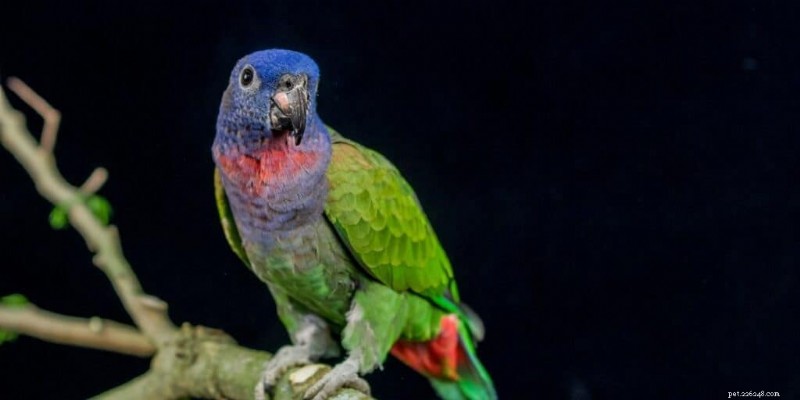
While not as brightly colored as some species, Pionus parrots are gentle, friendly birds that interact well with children and adults alike.
They are relatively low‑maintenance, content entertaining themselves for extended periods and requiring less hands‑on time compared to other species.
Pionus parrots are quiet, though they can learn to mimic simple sounds. With a lifespan of up to 25 years, they can be long‑term family companions if kept in a clean environment to prevent fungal infections.
2. Cockatiel
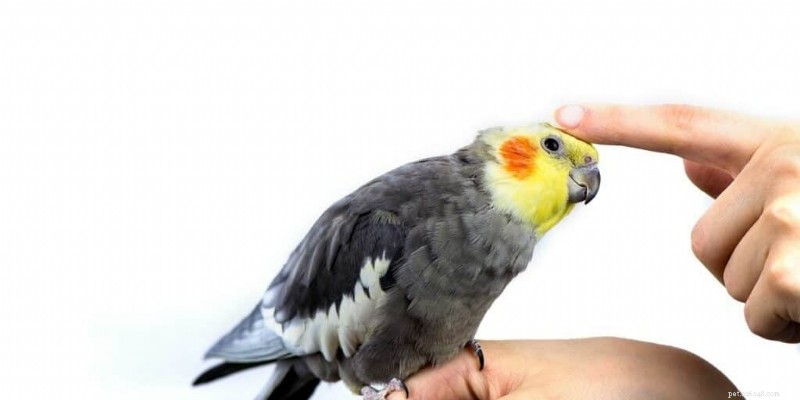
Among the most popular parrot species in the United States, cockatiels are affectionate, non‑aggressive, and enjoy human interaction without being demanding.
They are adaptable to apartment living, requiring moderate space and minimal noise. Cockatiels tend to bond with multiple family members rather than just one, making them an inclusive family pet.
With proper training, they can develop delightful vocalizations, adding charm to family life. Cockatiels can live up to 30 years, offering a long‑term companion.
1. Conure
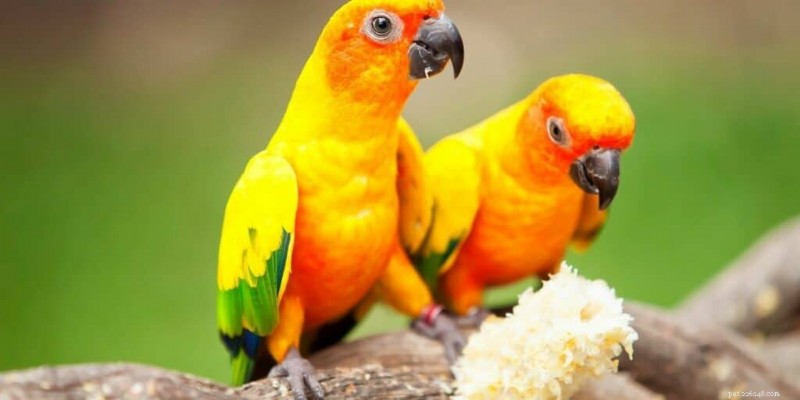
Conures are bright, lively birds with a spirited personality. Their intelligence and love for interaction make them engaging companions for families.
They thrive on stimulation and social interaction, requiring plenty of toys and activities to keep them mentally and physically healthy. Their lifespan can reach 30 years.
While naturally curious and playful, conures can be noisy, especially when excited. They do best in larger homes where they have space to exercise and explore.
Final Thoughts
Choosing a family‑friendly parrot can enrich your home with companionship and joy. Each species has unique care needs, so thorough research and preparation are essential to ensure a healthy, happy relationship.
- Prevent Common Mistakes When Starting Your First Aquarium
- Top 175 Boy Dog Names to Find the Perfect Match for Your Canine Companion
- Are Bell Peppers Safe for Dogs? A Guide to Feeding Your Canine Healthy Peppers
- Breeding the Rosy Boa: A Comprehensive Guide for Successful Reproduction
- Using CBD Oil to Support Cat Health and Comfort
- Golden Retriever Coat Colors Explained: Official Standards & Common Variations
- When Will Your Cats Finally Get Along? Understanding the Timeline for Cat Integration