

25 Incredible Macaw Facts: Surprising Insights & Expert Care Tips
The macaw is a striking New World parrot that thrives in the rainforests of Central and South America, Mexico, and the Caribbean. Its vivid plumage and engaging personality make it a sought‑after companion for bird enthusiasts worldwide.
Whether you’re a seasoned avian keeper or considering adding a macaw to your home, understanding these species‑specific traits is essential for responsible ownership.
Below are 25 fascinating facts—many lesser known—that highlight why macaws are both extraordinary wildlife and rewarding pets.
25. Macaws Are Monogamous for Life
Like many bird species, macaws pair for life. Partners preen each other, share parenting duties, and maintain a bond that lasts their entire adult lives.
24. They Make Exceptional Parents
Females typically lay 2–4 eggs, incubating them while the male secures food. Chicks remain in the nest for up to a year, learning essential skills before independence.
23. One of the Largest Parrot Species
Macaws weigh 2–4 pounds (≈1–2 kg) and can reach a wingspan of 127 cm (≈50 in). Some smaller species measure just a foot tall.
22. They Are Strictly Diurnal
Macaws sleep at night and are active during daylight, mirroring human circadian rhythms. Position their cage near natural light to support healthy sleep cycles.
21. Their Tongue Is a Powerful Tool
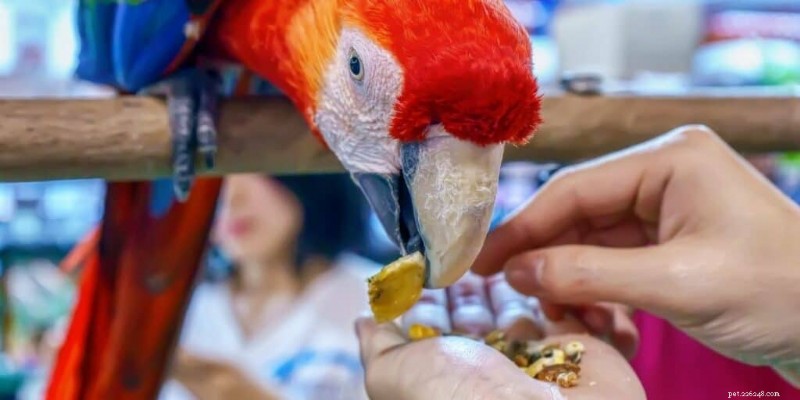
A bone‑lined, scaley tongue helps macaws tear fruit and bark, extracting nutrients efficiently. Provide a diet rich in fresh fruit for optimal digestion.
20. Several Species Are Near Extinction
Out of 17 recognized macaw species, nearly half are endangered due to poaching and illegal pet trade. Ensure your bird is sourced ethically and consider rescued individuals.
19. Their Beaks Are Among the Strongest
Macaws possess formidable beaks capable of cracking nuts and coconuts. Handle unfamiliar birds with caution and keep children away from their cage.
18. Eye Color Evolves Over Time
Eyes start dark gray or black and gradually shift to brown and then yellow as macaws age—a visible indicator of their long lifespan.
17. They Love Interactive Play
Macaws enjoy toys, branches, and problem‑solving activities. They require regular affection and mental stimulation—don’t underestimate their need for social interaction.
16. Avoid Feeding Avocado
Avocado, shellfish, raw meat, and chocolate are toxic to macaws. Stick to a balanced diet of fruits, vegetables, and specialized pellets.
15. Lifespan Reaches 60 Years
With proper care, macaws can live 40–60 years; the record holder reached 112. A long‑term commitment demands consistent care and companionship.
14. They Are Highly Intelligent
Studies show macaw cognition comparable to a 4–8 year old human child. They can solve puzzles, mimic sounds, and even escape cages if not secured.
13. Tricking is Their Forte
Macaws can learn to mimic speech, perform tricks, and respond to commands. Training fosters bonding and keeps their minds sharp.
12. They Thrive on Continuous Learning
Regular mental challenges—new toys, puzzle feeders, and training—prevent boredom and maintain their high intelligence.
11. Beak‑Occupying Toys Keep Them Happy
Providing chew toys, twigs, and safe wooden items prevents feather loss and destructive chewing. Rotate toys to maintain interest.
10. They Occasionally Throw Items
When bored or stressed, macaws may toss small objects out of the cage. Offer frequent enrichment to minimize this behavior.
9. They Can Be Dominant
Establish clear boundaries and consistent, loving discipline. Patience is key to managing territorial tendencies.
8. Sensitive to Fumes
Air fresheners and non‑stick cookware fumes can trigger allergic reactions. Keep their enclosure away from kitchens and use natural odor control.
7. They Require Ample Space
Regular grooming—including bathing, beak trimming, and nail care—is essential for their health. Use lukewarm water and professional grooming supplies.

6. No Two Macaws Are Identical
Each macaw’s feather pattern is unique, akin to a human fingerprint or snowflake. Embrace the individuality of your bird.
5. Hybrid Macaws Are Emerging
Crossbreeding between species yields striking hybrids with bold colors and unique traits, though genetic diversity remains a conservation concern.
4. They Can Become Territorial Quickly
In the wild, macaws live in flocks of about thirty. In captivity, they need ample attention and, if possible, interaction with compatible pets to avoid dominance conflicts.
3. They Fly at Over 40 MPH
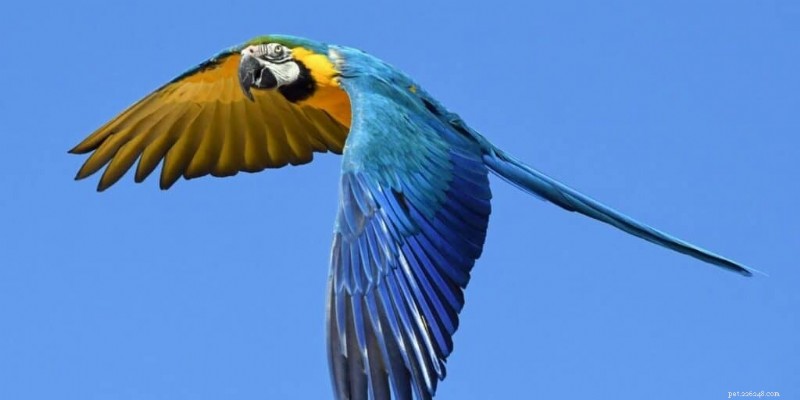
Macaws can reach 40 mph in flight and may travel up to 15 miles daily when foraging. In homes, they rely on human-provided nutrition, eliminating the need for extensive travel.
2. Their Vocalizations Are Loud
Macaws communicate through powerful screams and squawks. Loudness often signals distress or unmet needs—monitor vocal patterns closely.
1. Chewing Is Their Forte
Macaws can chew virtually anything within reach. Supervise indoor access to protect household items and reduce destructive behavior.
Conclusion
Macaws are vibrant, intelligent, and socially complex companions that demand dedicated care, a balanced diet, and ongoing mental enrichment. Their presence adds dynamic interaction to any home, but they are far from mere ornamental pets.
Understanding these facts equips owners with the knowledge to nurture a healthy, happy macaw—and supports conservation efforts for endangered species.
- Proven Strategies to Keep Cats Out of Your Garden Safely
- Positive Reinforcement Dog Training: Proven, Trustworthy Techniques for Happy, Well‑Behaved Dogs
- Do Rabbits Contract Tetanus? Understanding the Risks and Prevention
- SleekEZ vs. Furminator vs. Zoom Groom: The Ultimate Cat Brush Showdown
- Dog Skin Tags: Prevention, Safe Removal, and Care Tips
- Benazepril for Cats: How to Dose Safely & What to Watch For
- 21 Proven Natural Remedies to Relieve Your Dog’s Allergies & Itching