

7 Rare Pet Birds That Set You Apart
While budgies, finches, and canaries are household favorites, many enthusiasts seek distinctive companions that few others own.
Numerous avian species are well-suited for domestic life yet remain relatively obscure compared to mainstream pet birds.
Although they are rarely available in local pet shops, dedicated breeders and collectors can supply these rare birds, allowing you to own a truly unique feathered friend.
7. Caique
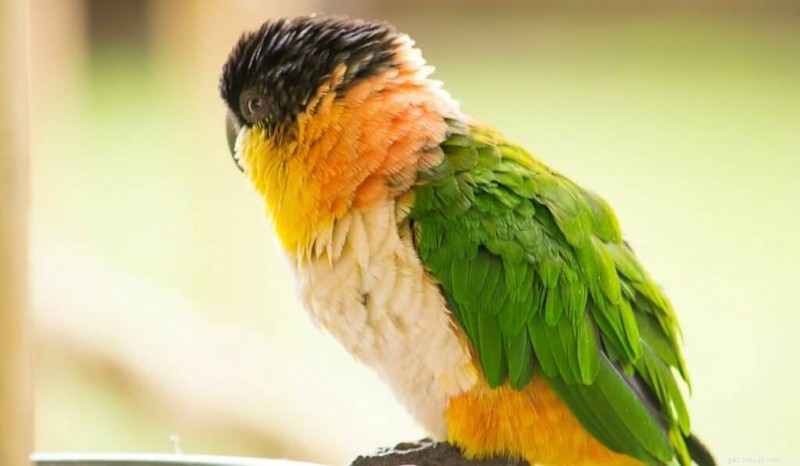
The Caique, often called the “clown of birds,” is renowned for its exuberant personality and playful antics. While the black‑headed and white‑belly varieties are somewhat common, the yellow‑thighed Caique remains a rarity.
These birds thrive in spacious environments; keeping them in a small cage can lead to depression and diminished vitality. They demand constant attention, as their high energy can become destructive if left unattended. Caiques also tend to be territorial and do not fare well with other bird species, making them best kept alone or with very tolerant companions. Their price range is on the higher end, which further limits their prevalence in typical households.
6. Crimson Rosella
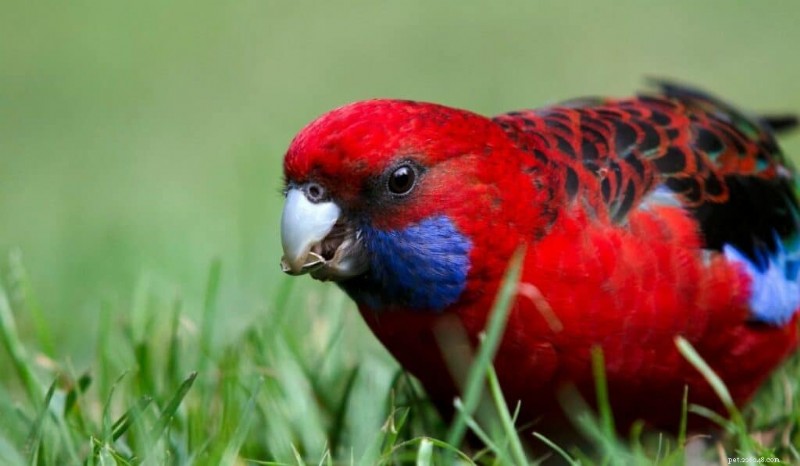
The Crimson Rosella is a striking, medium‑sized bird featuring a vivid red body with bright blue accents on the face, wings, and tail, accented by black feathers. They are most often housed in aviaries with conspecifics.
These birds are more ornamental than cuddly; they are notoriously difficult to tame and less affectionate than parrots. With patience and training, however, they can become sociable companions that bond closely with a single caretaker. Their sensitivity to handling, especially by children, makes them less popular as everyday pets.
5. Rose‑Breasted Cockatoo
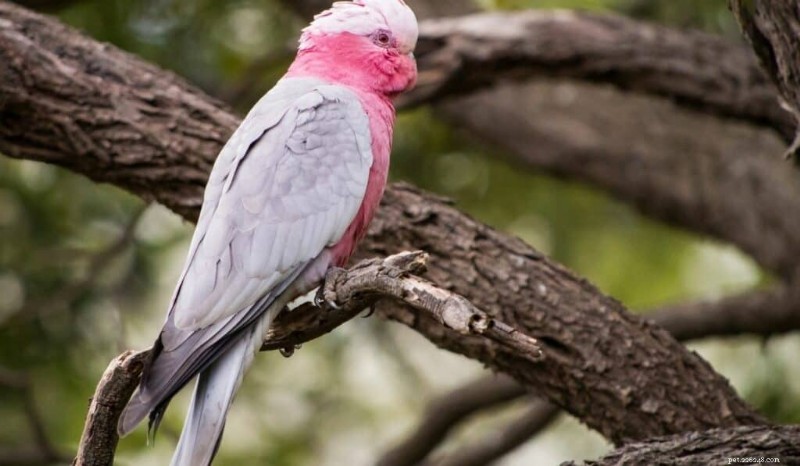
Despite their diminutive size, Rose‑Breasted Cockatoos (also known as Galahs) possess a vivacious temperament and a fondness for play. Their affectionate nature makes them excellent training candidates.
These birds are relatively easy to care for and thrive on strong, lasting bonds with their owners.
4. Kakapo
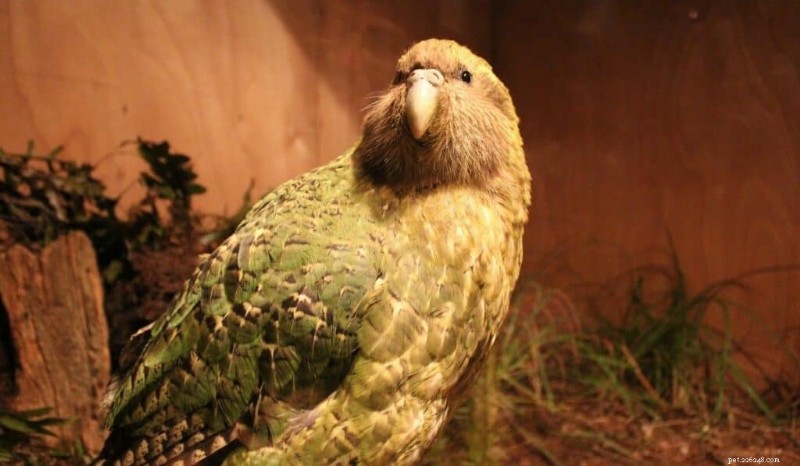
The Kakapo is a unique, flightless parrot that was once kept by Polynesian peoples and European settlers in New Zealand. Its heavy body and distinctive musty scent set it apart from other parrots.
Due to its solitary nature and flightlessness, the Kakapo is vulnerable to predators. Although it has a playful personality and males perform elaborate courtship displays, the species is now critically endangered and kept only in protected, predator‑free reserves. Ownership as a pet is no longer possible.
3. Victoria Crowned Pigeon
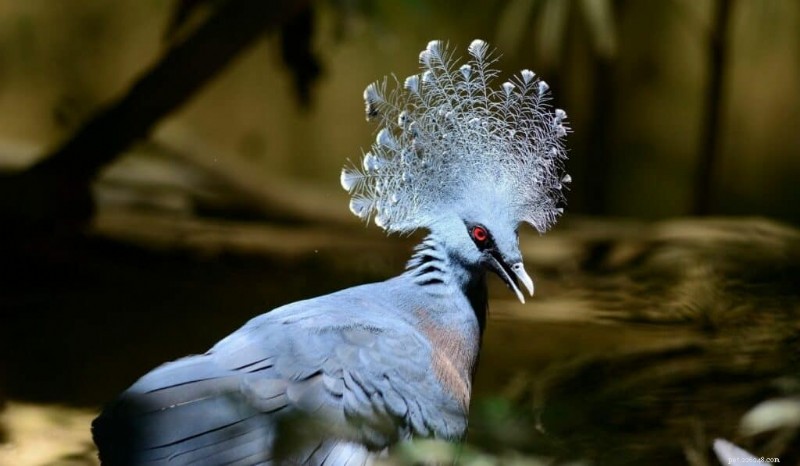
Native to New Guinea, the Victoria Crowned Pigeon is a large, blue‑grey bird with an elegant lace‑like crest. While surprisingly tame, its need for a spacious living area limits its suitability as a household pet.
These pigeons exhibit a distinctive “dipping dance” during courtship. Only experienced caretakers can manage the demands of this species.
2. Golden Conure
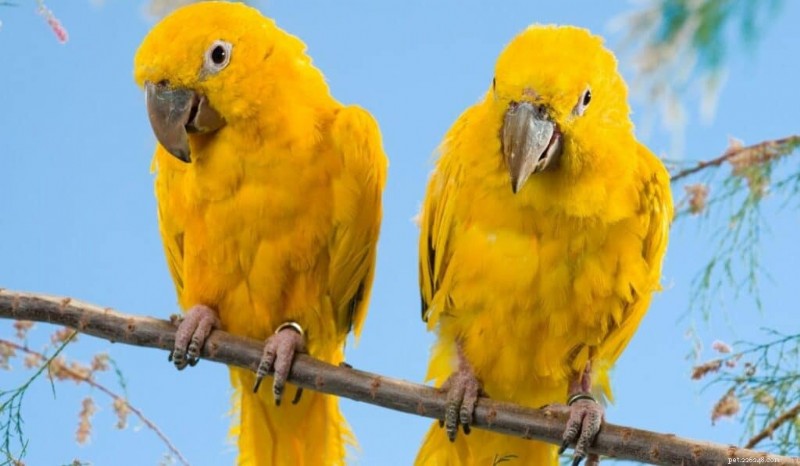
The Golden Conure is a striking, vibrant bird that was once common as a pet. Overexploitation in the wild has made them scarce today. They are occasionally seen in aviaries or in the hands of specialized breeders, but strict regulations limit their distribution.
1. Mynah Birds
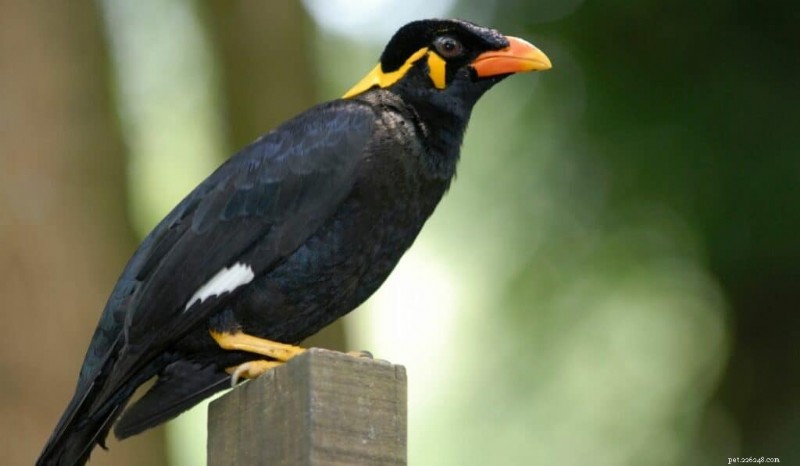
Mynahs are famed for their talking ability and mimicry, making them engaging companions. Indigenous to Africa, India, Indonesia, and parts of southern Asia, they were once prized by royalty in Indonesia and India.
While the Bali Mynah is now endangered, the common Mynah is more accessible and easier to train. They adapt quickly to new environments and can coexist with other pets when properly socialized. Mynahs require daily interaction—ideally an hour of talking and play—to prevent stress.
They enjoy bathing and benefit from a small birdbath at home. For more examples of talking birds, see this list.
What is the rarest bird?
Among exotic pet birds, the Stresemann’s Bristlefront (a small South‑American species) is believed to have a single known individual, underscoring its extreme rarity.
Are there any quiet pet birds?
No bird is completely silent, but budgies, doves, finches, and canaries tend to be the quietest options for pet owners.
What is the most expensive pet bird?
The most costly avian pet is the Racing Pigeon, which can command prices between $90,000 and $1.5 million. These pigeons, once used for courier services, are now prized for competitive racing.
Is it illegal to own pet birds?
U.S. federal law—specifically the Wild Bird Conservation Act—restricts the import and ownership of many exotic species to protect wild populations. State regulations vary, so owners should consult local statutes before acquiring non‑native birds.
Final Thoughts
Owning a lesser‑known bird brings prestige but also a heightened level of responsibility. Beyond basic needs such as food and water, many of these species require significant emotional enrichment and social interaction.
For instance, a Mynah demands at least an hour of daily engagement, while a Caique needs a large, stimulating environment. Neglecting these needs can lead to behavioral issues and health problems.
If you’re drawn to a rare avian companion, be prepared for the commitment it entails—and remember that responsible ownership benefits both you and the bird.
- Maintaining a Westie’s Pristine White Coat: Tips & Care Guide
- Mature Moggies Day: Help Senior Cats Find Loving Homes Faster
- Human Pacemakers: A Lifesaving Solution for Dogs' Heart Health
- Why Your Cat Feels Fearful and How to Calm Them
- Cat Dental Cleaning Costs in 2022: Complete Price Guide & Care Tips
- Feeling Down? Discover How a Smiling Dog Can Brighten Your Day
- How Cold Is Too Cold for Your Dog? Essential Winter Care Tips