

Discover 9 Lovebird Species: Traits, Care, and Rarity
Lovebirds, often called pocket‑size parrots, captivate owners with their vivid colors, lively personalities, and strong bond‑forming tendencies. They are among the most beloved small birds worldwide.
If you’re considering a lovebird, you may wonder how many distinct species exist. Below, we outline the nine recognized species, highlight their unique traits, and explain which are most suitable for home keeping.
There are nine lovebird species: eight native to Africa and one from Madagascar. The most common pets are the Peach‑faced, Fischer’s, and Yellow‑collared lovebirds. The remaining six—Lilian’s, Grey‑headed, Black‑cheeked, Red‑headed, Black‑winged, and Black‑collared—are rare and rarely kept in captivity.
This guide covers each species’ characteristics, pet suitability, and conservation status.
Common Lovebird Traits
Regardless of species, lovebirds share several key features:
- Size: They are truly pocket parrots, typically 5–7 inches tall.
- Build: Stocky bodies, blunt tails, and a sharp beak give them a distinctive silhouette.
- Color: Plumage varies widely—breeding has produced numerous color mutations.
- Feet: Zygodactyl toes (two forward, two back) allow excellent grip and balance.
Lovebird Species Overview
Below is a concise profile for each species.
1. Peach‑faced Lovebird (Agapornis roseicollis)
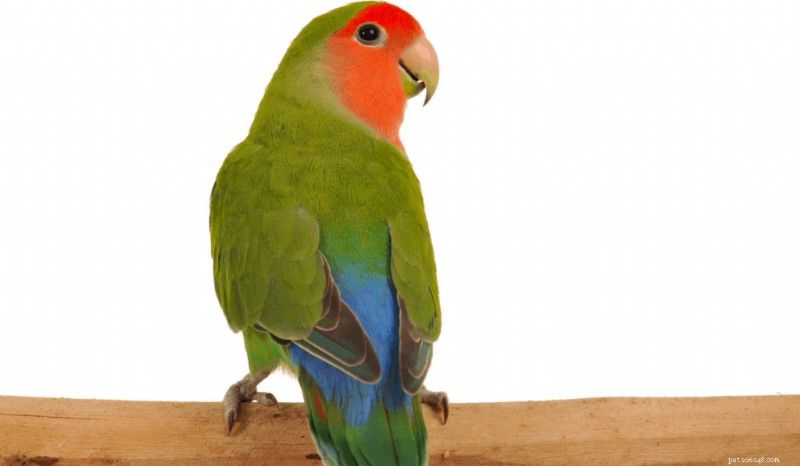
The Peach‑faced is the most popular pet lovebird. It is known for its dark green body and peach‑colored face and neck. Breeders have produced a wide array of color variants, making this species highly sought after. While generally easy to handle, they can become aggressive toward other birds or pets if not socialized properly.
2. Fischer’s Lovebird (Agapornis fischeri)
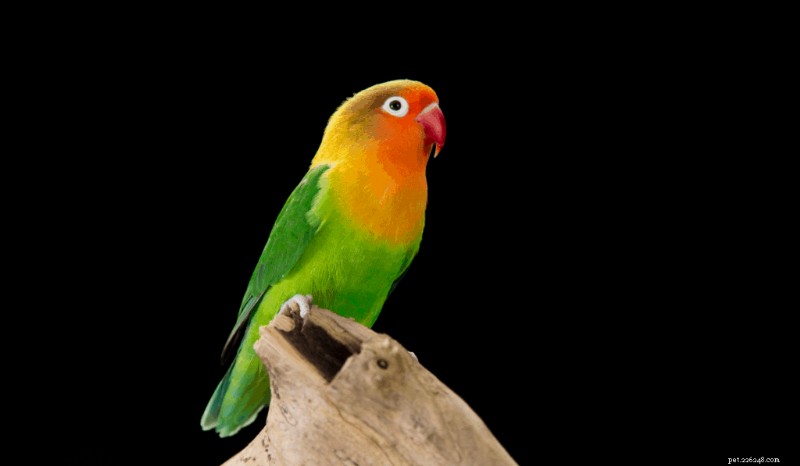
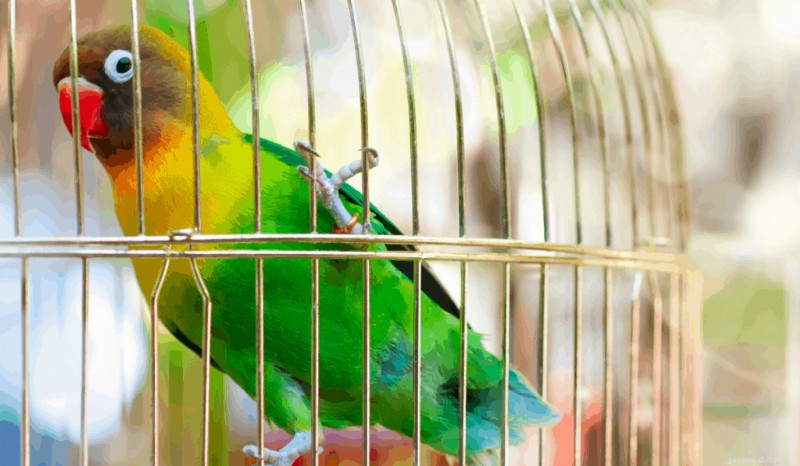
Fischer’s is prized for its playful, energetic nature and comparatively quiet demeanor. They are slightly smaller (5–6 inches) and can live 15–20 years in captivity. Their plumage features dark green, a yellow neck that fades to orange/red on the face, and an olive‑green head.
3. Yellow‑collared Lovebird (Agapornis personatus)
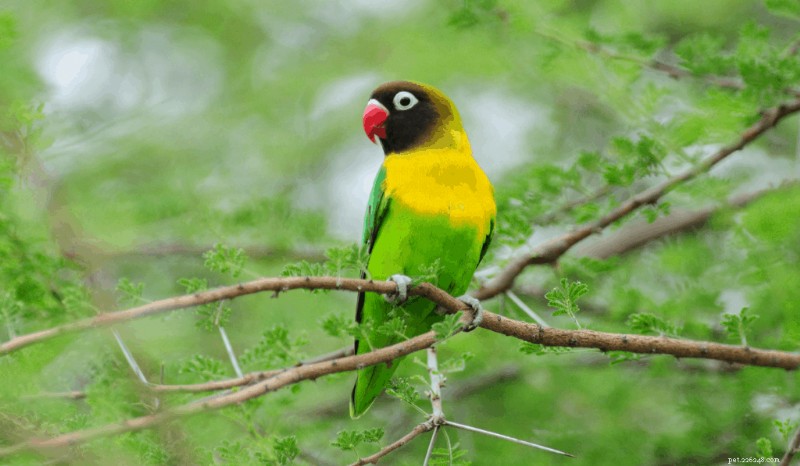
Also called the Black‑masked Lovebird, this species boasts a bright yellow neck and a striking black mask. They are highly social and thrive with companionship; isolation can lead to distress.
4. Lilian’s Lovebird (Agapornis lilianae)
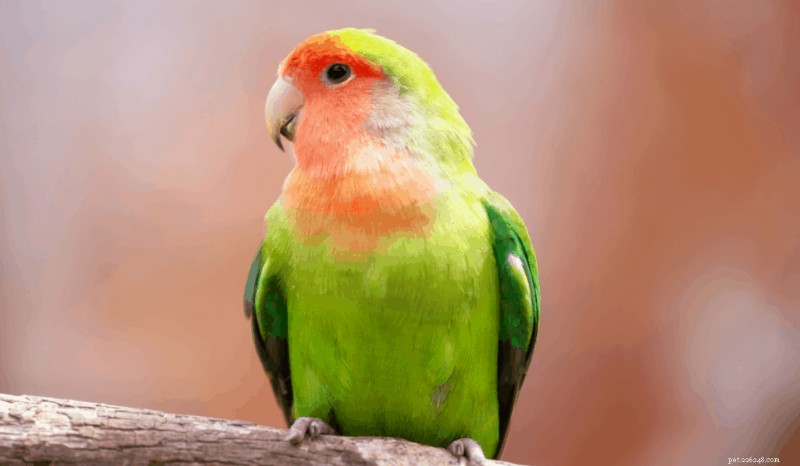
Lilian’s, or Nyasa, is one of the rarest lovebirds, with a small wild population and limited breeding success. Their light green plumage and orange head/neck make them easily identifiable.
5. Grey‑headed Lovebird (Agapornis cana)
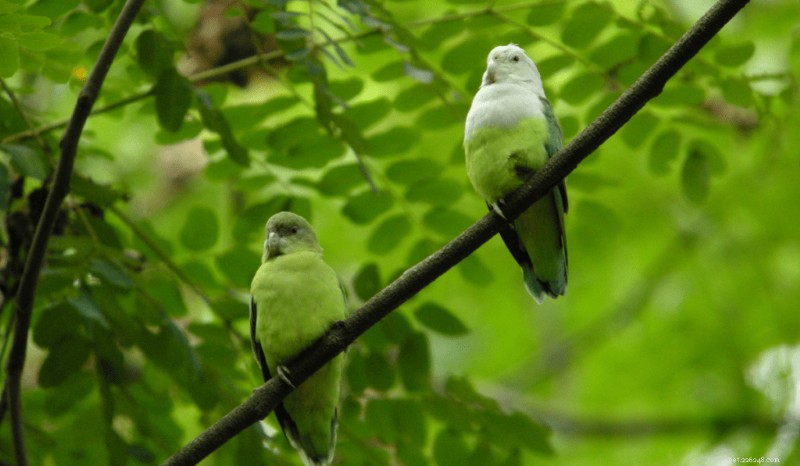
The only species from Madagascar, the Grey‑headed is known as the Madagascar Lovebird. Males display green bodies with a light grey or white head, while females are uniformly green.
6. Black‑cheeked Lovebird (Agapornis nigrigenis)
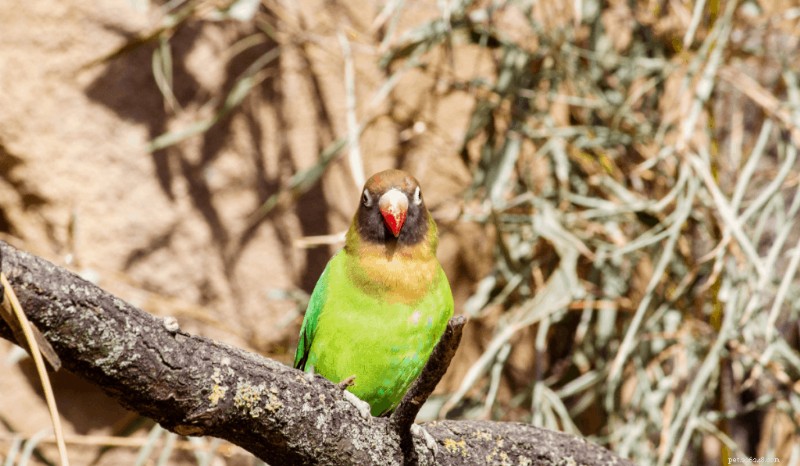
Highly endangered, this species depends on large water bodies, which are increasingly scarce. Their dark green plumage, dark head, and yellow throat distinguish them.
7. Red‑headed Lovebird (Agapornis pullarius)
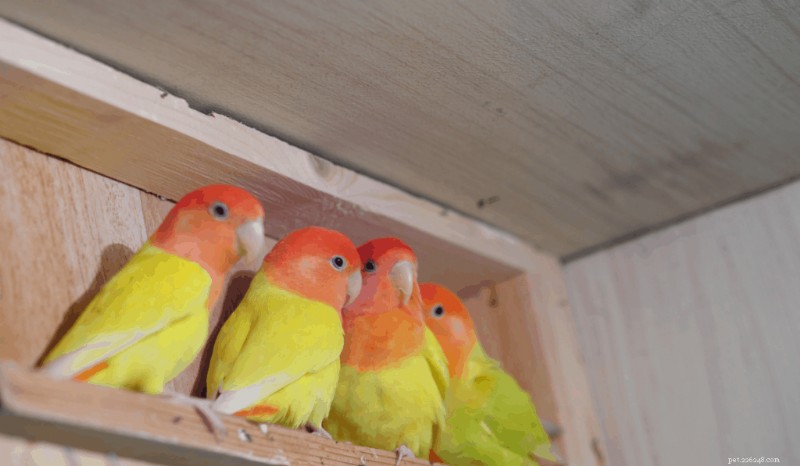
Rare in captivity due to their sensitivity to environmental stress. Males have green bodies with a red face and beak; females show a lighter orange in these areas.
8. Black‑winged Lovebird (Agapornis taranta)
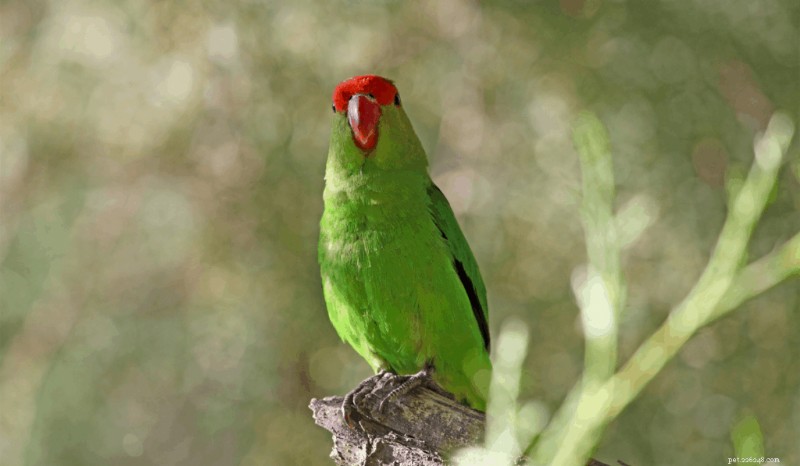
Also called the Abyssinian Lovebird, it is a recent addition to captive breeding programs. Males feature green plumage with a black underwing and red forehead; females are entirely green.
9. Black‑collared Lovebird (Agapornis swinderniae)
Extremely shy and specialized, this species relies on a diet of native figs and is unsuitable for captivity. Their green plumage is punctuated by a distinctive black collar at the nape.
Groupings Based on Physical Traits
Lovebirds can be categorized by sexual dimorphism and eye‑ring presence.
Dimorphic (Males & Females Distinguishable)
- Black‑winged
- Grey‑headed
- Red‑headed
Monomorphic with Eye Rings
- Yellow‑collared
- Fischer’s
- Lilian’s
- Black‑cheeked
Monomorphic without Eye Rings
- Peach‑faced
- Black‑collared
Conclusion
Lovebirds are vibrant, social companions that thrive on interaction. While all nine species offer unique charms, only Peach‑faced, Fischer’s, and Yellow‑collared are typically suited for pet ownership due to their adaptability and widespread availability. If you’re planning to bring a lovebird home, research the specific breed’s needs to ensure a harmonious and sustainable relationship.
- Why Feeding Your Dog Cat Food Is Risky: Health Risks Explained
- Biewer Terrier Puppies: Care, Development, and Family Companion Guide
- Dog Agility Training Explained: 5 Key Insights Every Owner Should Know
- Do Cats Develop Allergies to Dogs? What to Know
- Why Won’t My Cat Use Its Litter Box? Common Causes & Quick Fixes
- Cat Ear Infections: Early Signs, Causes & Proven Treatments
- Palmetto Corn Snake – A Popular, Docile Pet Choice