

Raven as a Pet: What You Need to Know Before You Commit
Can I Keep a Raven as a Pet?
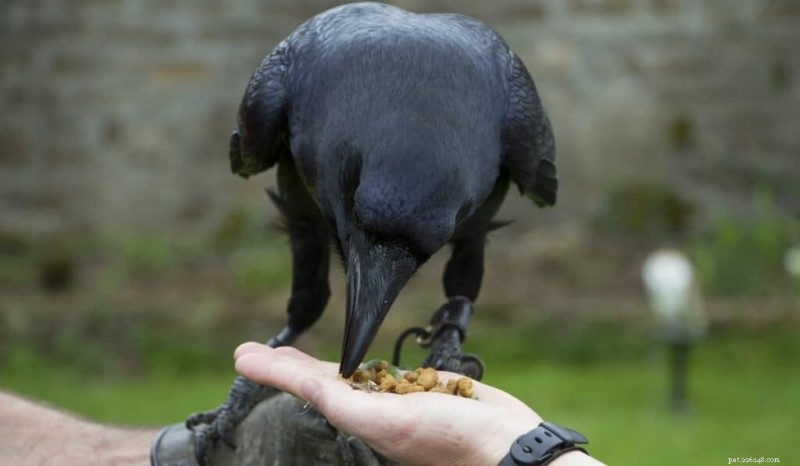
Ravens are fascinating, highly intelligent birds, but they are not typical pet choices. Before you decide, consider the legal, practical, and emotional commitments involved.
1. Legal Status in the United States
Under the Migratory Bird Treaty Act of 1918, all native raven species are protected. To keep a raven in the U.S., you must either obtain a special rehabilitation permit or import a non‑native raven that is not listed as a protected species in the country of origin. Permits are rarely granted to private owners; they are typically reserved for licensed wildlife rehabilitators and research institutions.
2. Cost of Acquisition
Imported, non‑native ravens can cost between $2,000 and $6,000, depending on age, provenance, and breeder. The purchase price is just the beginning—ongoing expenses for housing, nutrition, and veterinary care can add up quickly.
3. Wild vs. Domesticated
Unlike parrots, ravens are wild birds. They are highly social, opportunistic feeders, and exhibit strong territorial instincts. Even with early human interaction, a raven will retain many of its natural behaviors, making captivity challenging.
4. Space and Enclosure Requirements
Ravens are large, with wingspans reaching 4–5 feet. They need ample flight space—ideally a spacious outdoor aviary with secure fencing. Small cages restrict movement, increase stress, and can lead to destructive behavior.
5. Dietary Flexibility
As omnivores, ravens will accept a varied diet: fresh meat, fish, fruits, vegetables, seeds, and nuts. A balanced diet is crucial to prevent health issues such as obesity or malnutrition.
6. Social and Cognitive Needs
Ravens thrive on stimulation. They learn to solve puzzles, mimic sounds, and can even be trained to respond to simple commands. Without sufficient mental and physical engagement, they may develop destructive habits.
7. Noise and Curiosity
Ravens are noisy—sharp calls can fill a house or yard. Their curiosity drives them to investigate and manipulate objects, which can lead to damage or loss of household items. Owners should secure valuable or small objects and provide safe, engaging toys.
8. Health and Veterinary Care
Specialized avian veterinarians are required for routine check‑ups and emergency care. Common issues include parasites, feather plucking, and nutritional deficiencies.
Conclusion
Owning a raven is a significant commitment. Legal hurdles, high costs, and the bird’s complex needs make it suitable only for experienced wildlife enthusiasts or professionals. If you’re drawn to ravens, consider supporting local conservation efforts or observing wild populations instead of attempting to keep one as a pet.
For those interested in exotic avian companions, explore reputable breeders and accredited facilities. Remember, the welfare of the animal should always come first.
Explore other exotic pet options here.
- Explore 8 Stunning Rainbowfish Species for Your Aquarium
- Introducing the 2017 National Cat Awards’ Most Caring Cat Finalists
- Me-Om: Yoga with Adoptable Cats for Relaxation & Wellness
- 8 Clear Signs Your Senior Dog Is Aging — How to Spot Them Early
- 10 Essential Winter Care Tips to Keep Your Dog Safe and Warm
- Does a Meat‑Based Diet Trigger Kidney Failure in Dogs?
- Semi-Aquatic Turtle Diets: Nutritious Vegetables & Greens – Part 2