

How Snakes Reproduce: Oviparity, Viviparity, and the Astonishing Ovoviviparity Explained
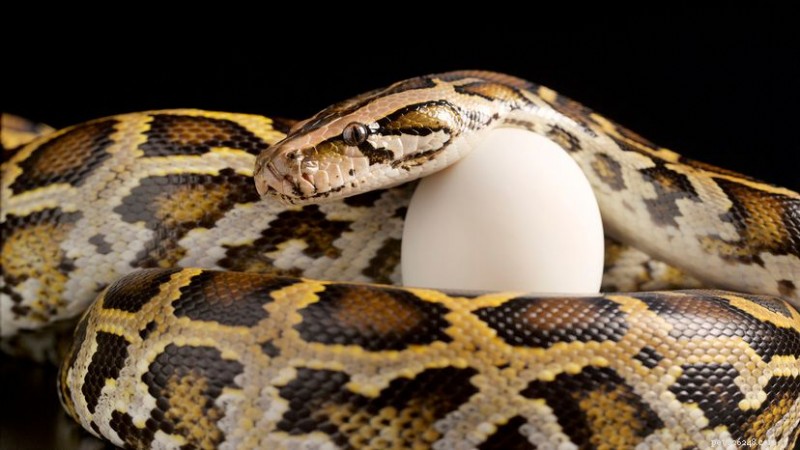
Humans have the birds and the bees to explain reproduction, but for our slithering friends the process is far more intriguing. So, how do snakes reproduce?
Reproduction Basics
With over 3,000 species, snakes have evolved a spectrum of strategies to ensure their lineage continues. Some lay eggs, others give live birth, and a few can store sperm for months before fertilizing.
- Oviparity: Approximately 70% of species, such as pythons and corn snakes, lay eggs that develop and hatch outside the body. Females deposit eggs in a safe, warm spot; some species even incubate them.
- Viviparity: The young develop inside the mother’s body and are born fully formed. Garter snakes use this method, which is advantageous in colder climates where eggs might not survive.
- Ovoviviparity: Eggs develop inside the female and hatch internally, so the mother gives birth to live young. Rattlesnakes and boa constrictors employ this strategy, enabling reproduction in harsh environments without the need to lay eggs.
Many oviparous species abandon their eggs after laying them in hidden locations, providing no further care. However, some python species, such as the African rock python, provide limited maternal care by coiling around their eggs to regulate temperature and humidity, thereby increasing hatching success.
Mating Process
During breeding season, males follow pheromone trails released by receptive females. Courtship may involve chin rubbing, gentle biting, or coiling. Successful mating requires the male to align his cloaca with the female’s, allowing the exchange of sperm via the hemipenes.
Mating Balls
In certain species, multiple males form a “mating ball” around a single female. This intense competition can last for hours, with the most persistent male usually succeeding. Garter snakes, anacondas, and pythons commonly exhibit this behavior during early spring.
Female Reproduction Variability
Female snakes can store sperm for months, enabling them to fertilize eggs when environmental conditions are optimal. Reproductive frequency varies: some species breed annually, others biennially, depending on food availability, climate, and species‑specific factors. Clutch sizes range from a few eggs to over 100 in certain species.
Development and Birth
In ovoviviparous species, eggs hatch inside the oviduct, and the mother gives birth to fully formed young with scales, eyes, and fangs. In oviparous pythons, the female coils around the eggs to maintain moisture, preventing desiccation and supporting healthy embryo development.
Parthenogenesis
Some snakes can reproduce without males through parthenogenesis. This rare process has been documented in boas, pythons, and certain rattlesnake species. Offspring are typically genetic clones of the mother, allowing the species to persist even when males are scarce.
Breeding and Sexing in Captivity
Pet breeders must select healthy, mature adults and condition them with proper nutrition. Snakes are housed separately until the breeding season, which is often triggered by temperature and light changes that mimic natural cycles. After mating, egg‑laying species need nesting boxes with controlled incubation temperatures, while live‑bearing species require extended gestation care.
Sexing snakes can be challenging; tail probing or popping should only be performed by experienced handlers to avoid injury.
This article was compiled with AI assistance and subsequently fact‑checked and edited by a HowStuffWorks editor.
- 16 Playful Dogs and a Cat Showcase Their Spirited Zooms in This Hilarious Video
- Prevent Your Dog From Ruining Your Home While You're Away
- Does Diet Trigger Urinary Crystals in Dogs? Expert Insights
- Is Blue Cheese Safe for Dogs? Expert Guide to Feeding Your Canine Friend
- 35 Key Equestrian Competition Facts: From Jumping to Dressage
- Safe Techniques for Inducing Vomiting in Dogs: When and How to Use Salt
- Essential Guide to Dog Parasites: Identification, Prevention, and Treatment