

Understanding Green Cat Poop: Causes, Symptoms, and How to Respond
All featured products are chosen at the discretion of the GreatPetCare editorial team and do not reflect a direct endorsement by the author or reviewer.
While it may seem uncomfortable, a cat’s stool can reveal vital clues about its health. Because felines often conceal illness, changes in fecal color or texture can be the first visible sign that something is wrong.
Minor digestive upset is a common culprit. In such cases, a veterinarian might suggest a switch to a specialty formula such as Hill’s Prescription Diet Gastrointestinal Biome.
However, any persistent alteration in color or consistency—especially green—should prompt veterinary attention. In this guide, we explain why a cat’s poop may turn green, outline the most common causes, and provide practical steps to help your pet recover.
Green Cat Poop: Color, Consistency, and Other Characteristics
Typical feline feces are light brown, firm, and well‑formed. Green stool, whether light or dark, signals an issue. It can range from hard to soft, runny to slimy, and may even contain mucus. Record the exact shade and texture; a photo or sample can aid a vet’s diagnosis.
Why Is My Cat’s Poop Green?
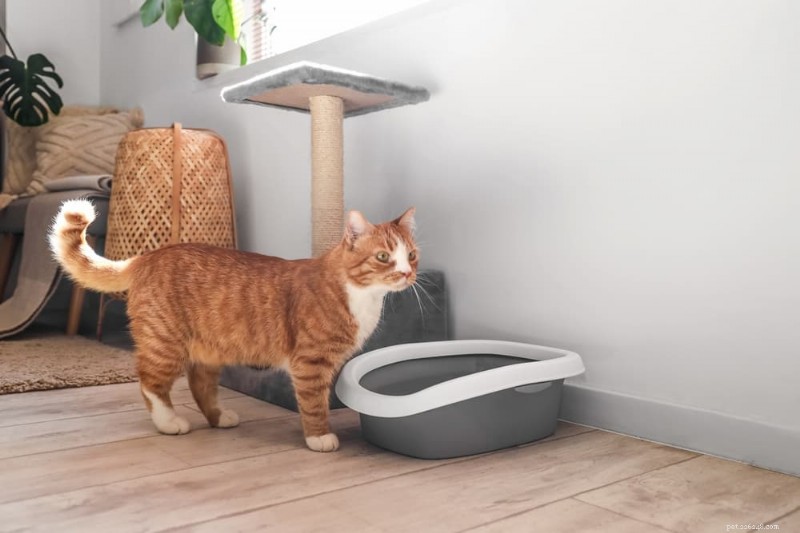
Green discoloration can stem from a spectrum of factors—from disease and toxin exposure to parasites and dietary changes. Below are the most frequent explanations.
Underlying Liver or Gallbladder Disease
When the liver’s bile production or gallbladder storage is disrupted, excess bile may reach the intestines, turning stool green and loose. Watch for accompanying signs such as lethargy, jaundice, reduced appetite, vomiting, weight loss, or increased thirst and urination.
Toxin Ingestion
Some rodenticides contain a blue‑green dye that can tint feces. Ingestion is a medical emergency; symptoms may include abnormal bleeding, seizures, and labored breathing. Seek immediate veterinary care if you suspect exposure.
Intestinal Parasites
Roundworms, hookworms, whipworms, and Giardia can cause inflammation and rapid transit, resulting in green, odorous stool. Parasites often leave mucus streaks and can lead to weight loss or vomiting.
Intestinal Inflammation
Conditions such as inflammatory bowel disease, intestinal tumors, or bacterial infections accelerate gut transit, producing green feces and mucus. Observe for weight loss, appetite decline, and vomiting.
Dietary Indiscretion
Ingesting grass or foods high in green pigments can tint stool. This usually resolves once the foreign material passes, but monitor for vomiting or anorexia.
Sudden Diet Change
Rapidly switching foods can upset the gut, leading to green discoloration. Most cats return to normal after a few days of adaptation. Some commercial diets contain artificial green dyes that may cause temporary color shifts.
What To Do If Your Cat Has Green Poop
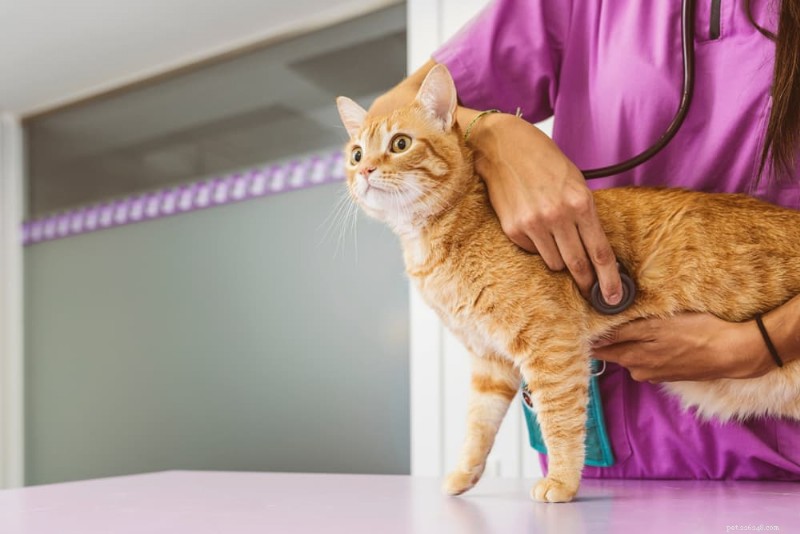
When you spot discolored stool, decide whether a wait‑and‑see approach is appropriate or if urgent veterinary care is required. If in doubt, consulting a vet is safest.
For grass ingestion, observe the cat’s behavior. If vomiting or appetite loss occurs, contact your vet. A brief bland diet—boiled chicken and white rice—can help stabilize digestion after a diet shift.
Your veterinarian may recommend a prescription formula such as Hill’s Prescription Diet Gastrointestinal Biome, which contains ActivBiome+ to support gut health and normalize bowel movements.
If stool changes lack an obvious cause or are accompanied by lethargy, vomiting, or other concerning signs, schedule a veterinary visit. Your vet will likely analyze a stool sample for parasites or inflammation and may order bloodwork to detect systemic illness or toxins. Treatment could include hydration, antibiotics, deworming, probiotics, or, in severe cases, hospitalization for supportive care.
Ultimately, a tailored plan based on your cat’s history and test results will guide recovery and restore regular fecal patterns.
- Pet Behavior
- Pet Breeds
- Pet Names
- Pet Adoption
- Pet Training
- Cat Stories
- Pet Health
- Adorable Pets
- Cats
- Poison Prevention Awareness Month: 4 Expert Tips to Safeguard Your Pets
- Veterinary Telehealth: On-Demand Remote Consultations for Faster, Accessible Pet Care
- Does Your Dog Have Natural Healing Powers?
- Are Oranges Safe for Budgies? Essential Guidelines for Treats
- Beyond a Flock: The Fascinating Collective Nouns That Define Bird Groups
- Why Is My Dog Urinating on My Bed? Causes & Solutions
- Top 10 Diet Cat Foods for Healthy Weight Loss