

Cat Stool Guide: How Color, Consistency, and Frequency Signal Health
All featured products are chosen at the discretion of the GreatPetCare editorial team and do not reflect a direct endorsement by the author or reviewer.
Cleaning the litter box isn’t a pleasant experience. But did you know your litter box holds important information about your cat’s health? The color and consistency of your cat’s poop offer a window into their wellness. If you can identify abnormal stool, you may also spot when a veterinary visit is warranted.
Healthy Cat Poop: What It Should Look Like
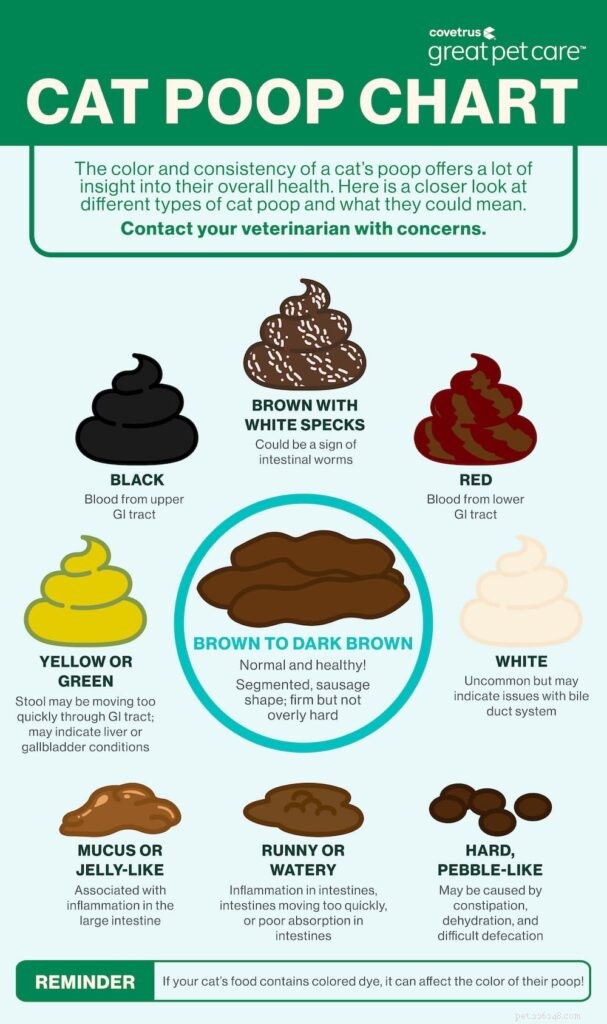
Healthy feline feces are typically a medium to dark brown, segmented and sausage‑shaped. The stool should be firm enough to hold its shape but not rock‑hard or pebble‑like. Blood, mucus, or obvious foreign material are not normal. A mild, pleasant odor is normal; a foul, metallic or rancid smell signals an issue.
Adult cats usually defecate once or twice daily, often shortly after a meal. Kittens may have 3–4 bowel movements per day and slightly softer stool, but it should not be watery, bloody or heavily mucous‑laden.
Abnormal Cat Poop: A Sign of Potential Health Problems
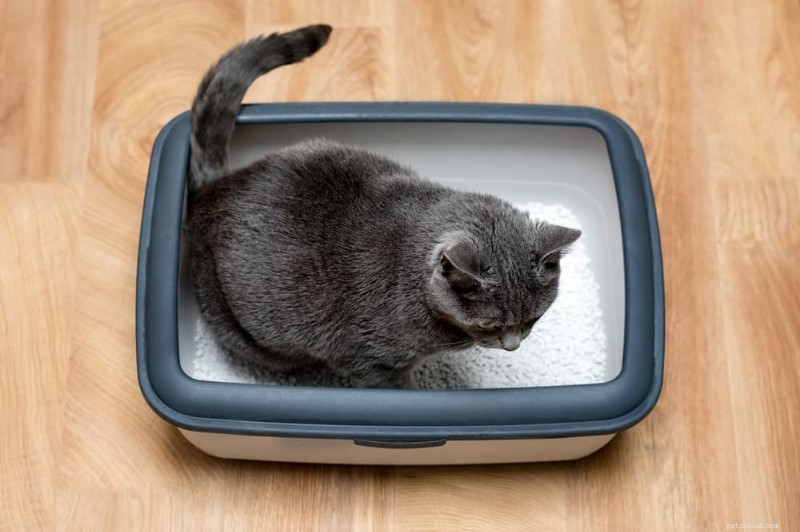
Tracking changes in color, odor, consistency, and frequency can alert you to underlying health issues. Your veterinarian relies on your observations, so keeping a log—especially with tools like the GreatPetCare Health Journal—can make a critical difference.
Abnormal Cat Poop Chart
| Type of Stool | Possible Causes | Severity |
|---|---|---|
| Red streaks or liquid | Lower GI bleeding (hematochezia) from constipation, infection, parasites, IBD, or cancer. | Mild–Severe |
| Black, tar‑like | Upper GI bleeding (melena) from ulcers, parasites, IBD, or cancer. | Moderate–Severe |
| Yellow | Rapid transit; bacterial or parasitic infection, liver or gallbladder disease. | Moderate–Severe |
| Green | Same as yellow—rapid transit; infections or liver/gallbladder issues. | Moderate–Severe |
| Watery or runny | Gastrointestinal inflammation, diet change, stress, infections, parasites, hyperthyroidism, or cancer. | Mild–Severe |
| Mucus or jelly‑like | Inflammation of the large intestine—stress, IBD, dietary changes, infections, parasites. | Mild–Severe |
| White | Possible bile duct blockage (cholestasis) or mold from old feces. | Severe |
| White specks or worms | Tapeworms (rice‑grain specks) or roundworms (long white worms). | Mild |
| Hard, pebble‑like | Constipation, dehydration, or anal sphincter dysfunction. | Mild–Moderate |
Dietary changes can temporarily alter stool color—e.g., green dye in food or moldy feces from a neglected litter box. If the change resolves after a few days, it’s usually benign. Persistent or worsening signs warrant veterinary evaluation.
When to See a Veterinarian
One abnormal stool with no other symptoms can often be monitored at home. However, the following red flags require prompt veterinary attention:
- Persistent diarrhea or runny stool
- Intermittent loose stools or sudden change in bowel habits
- Visible blood, mucus, or worms in the stool
- Loss of appetite, vomiting, or lethargy
- Weight loss or an unkempt coat
- Straining to defecate or urinate
- Abdominal pain or hypersalivation
- Dehydration signs (prolonged skin tent or sunken eyes)
- Excessive drinking
Stress, treats, or a new diet can cause temporary changes. If the stool normalizes within a couple of days, additional care is usually unnecessary. If symptoms persist or worsen, contact your vet.
Keeping Your Cat’s Poop Normal
Although you cannot eliminate all risk factors, these practices support healthy digestion:
- Feed a consistent, high‑quality diet appropriate for your cat’s life stage.
- Transition to new food gradually over 7 days.
- Maintain parasite prevention as advised by your vet.
- Keep vaccinations current.
- Avoid feeding human food or table scraps.
- Remove foreign objects such as string or small toys from reach.
Most cats do not need over‑the‑counter supplements. If you consider probiotics or fiber, discuss them with your veterinarian first.
- Pet Behavior
- Pet Breeds
- Pet Names
- Pet Adoption
- Pet Training
- Cat Stories
- Pet Health
- Adorable Pets
- Cats
- Fleece Bedding for Guinea Pigs: Benefits, Drawbacks & Care Tips
- Why Dogs May Show Aggressive Behavior Toward Cats: Causes and Prevention
- Top Cat Breeds Loved Worldwide: A Guide to the Most Popular Felines
- Ellie Mae Recovers from Fall, Leaving Only a Broken Toe
- Why Does My Cat Vomit Right After Meals? Causes, Red Flags, and When to Seek Veterinary Care
- Can Dogs Detect Human Pheromones? The Science Behind Their Nose
- Choosing the Ideal Veterinarian for Your Dog: A Comprehensive Guide