

Is Your Cat at Risk for Bird Flu? Protecting Pets from H5N1
The recent rise of H5N1 cases has sparked concern among backyard farmers, pet owners, and the general public. Although H5N1 traditionally affected Africa and Asia, it has now been reported across Europe, North America, Central and South America, and even Antarctica. What does this mean for your cat? How can you safeguard both your feline companion and yourself from potential infection?
Wild birds are natural reservoirs for avian influenza, and the virus can jump from them to other bird species, especially domestic poultry such as chickens and turkeys. Transmission to mammals is rare, yet it does occur. Health Canada notes that the risk to humans is low when there is no direct contact with infected birds. The question remains: what does this mean for our feline friends?
What is the Bird Flu?
monticello/Bigstock
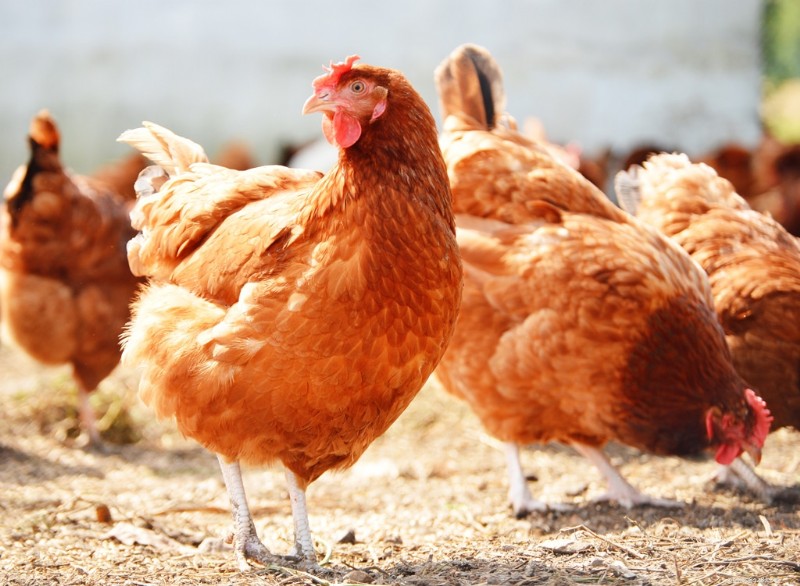
Bird flu is an influenza A virus infection, with the H5N1 subtype garnering most veterinary and public‑health attention. Wild birds typically carry the virus asymptomatically, yet it can spread rapidly among domestic poultry—chickens, turkeys, ducks, and others. Human cases are rare and almost always linked to direct contact with infected birds, such as farm workers; person‑to‑person transmission is extremely uncommon. Cats, however, are notably susceptible to H5N1.
Are Pets at Risk of Bird Flu?
According to Dr. Wailani Sung, board‑certified veterinary behaviorist and Senior Director of Animal Admissions and Well‑Being at Joybound, cats that roam outdoors and may encounter or consume sick or infected birds or poultry should adopt extra preventative measures to stay safe. Dogs are at a lower risk, but owners should still guard against exposure to infected birds.
The New York Times notes that cats are highly susceptible to H5N1 and, in rare cases, have transmitted the virus to their human companions.
The American Veterinary Medical Association (AVMA) reports that dozens of cats in North America have been infected with H5N1. In Canada, only one dog has tested positive—after contact with a wild goose—and unfortunately, the dog succumbed to the disease.
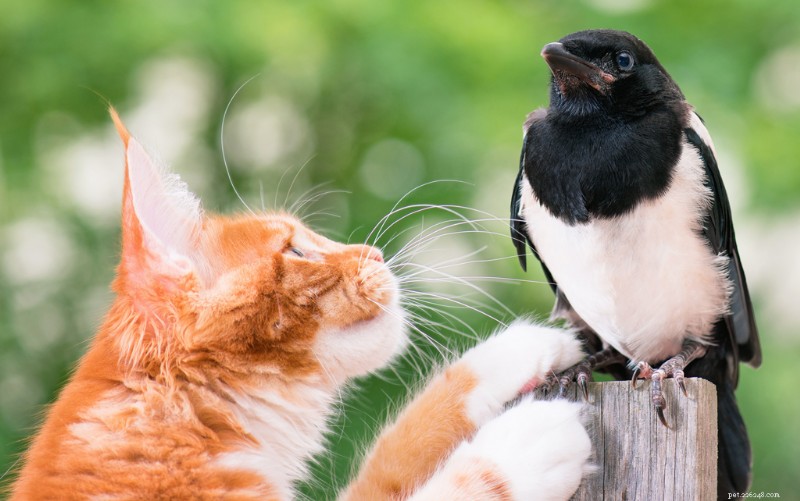
DenisNata/Bigstock Cats are known to be highly susceptible to the bird flu virus, reports the New York Times
Preventing Bird Flu in Cats and Dogs
Limit Exposure
Dr. Nita Vasudevan, a veterinarian, emphasizes that the most effective protection is to limit your pet’s exposure to wild birds. For cats, this may mean keeping them indoors or supervising outdoor time. A catio or screened enclosure allows fresh air while keeping them safe. For dogs, avoid letting them roam near ponds or waterfowl habitats and keep them on a leash near such areas. Even when feeding birds, ensure pets never touch the feeder or its contents.
Feed a Safe Diet
Preventing the bird flu also starts with diet. Dr. Sung advises against feeding cats raw or undercooked meat, including freeze‑dried foods that haven’t been cooked. In Washington state, two cats developed H5N1 after eating contaminated raw food. Several raw‑food brands have been recalled for potential contamination. The FDA recommends cooking all raw pet foods to kill pathogens. Check for recalls on the FDA’s website. Avoid giving pets unpasteurized milk, cheese, or cream, as these can harbor viruses. Commercial kibble is typically cooked at high temperatures to eliminate pathogens; if you cook homemade meals, ensure meats reach at least 74 °C (165 °F).
Prevent the Spread
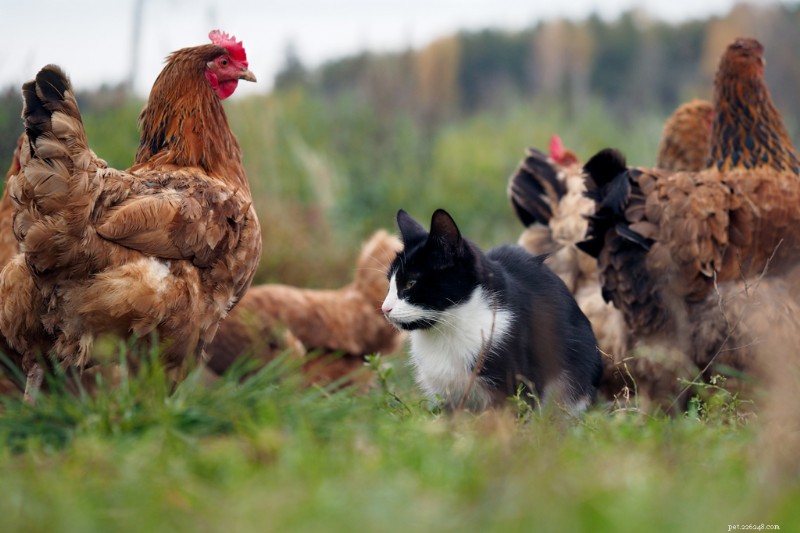
If you have come into contact with sick or dead birds, change clothes and shoes and wash exposed skin thoroughly. If you keep backyard chickens, practice strict biosecurity: wash hands, change footwear, and keep pet areas separate from poultry enclosures, says Dr. Vasudevan.
Practice Good Hygiene
Good hygiene—clean feeding areas, daily bowl washing, regular handwashing after handling animals or their food—is essential for virus control. Individuals working with potentially infected animals should wear PPE and follow strict hygiene protocols.
kozorog/Bigstock
Monitor Outbreaks
Staying informed about local outbreaks helps you protect your pets. The Canadian Wildlife Health Cooperative offers a real‑time map of avian influenza cases. If an outbreak occurs near you, avoid parks, wetlands, or other bird gathering spots. Consult your veterinarian for guidance.
Ensure Vaccines Are Up‑to‑Date
While no vaccine exists for H5N1, maintaining up‑to‑date core vaccines strengthens your pet’s overall immunity, which is beneficial during outbreaks.
Bird Flu Symptoms in Cats and Dogs
Early signs of H5N1 in cats and dogs mirror a typical upper‑respiratory infection: coughing, sneezing, labored breathing, lethargy, fever, decreased appetite, ocular inflammation, vomiting, diarrhea, and nasal/ocular discharge.
Dr. Vasudevan advises that any of these symptoms following bird exposure warrant prompt veterinary evaluation, as early detection and supportive care can significantly improve outcomes.
Neuro‑symptoms such as tremors, seizures, ataxia, or blindness may also occur in infected pets.
Owners of infected pets should monitor their own health, checking temperature and seeking medical care if symptoms arise.
How is the Bird Flu Treated?
Because H5N1 is a virus, treatment focuses on supportive care: ensuring adequate hydration and nutrition, supplemental oxygen when needed, and intravenous fluids or appetite stimulants if the pet refuses food or water. Secondary bacterial infections such as pneumonia may be managed with antibiotics.
Can the Bird Flu Spread to Humans?
Dr. Sung notes that human infection from pets is unlikely, but documented cases exist. Immunocompromised individuals are at greatest risk. Early detection and reporting are crucial for preventing spread.
New Africa/Bigstock
Prevention is Key
Dr. Vasudevan concludes, “The overall risk to pets remains low, but vigilance and preventive measures are essential.” Cat owners who let their pets roam in bird‑dense areas, dog owners with free‑roaming dogs near wetlands, or backyard poultry keepers should prioritize hygiene, biosecurity, and awareness.
- Pet Behavior
- Pet Breeds
- Pet Names
- Pet Adoption
- Pet Training
- Cat Stories
- Pet Health
- Adorable Pets
- Cats
- Small Dog Breeds Similar to the Chihuahua
- 6 Proven Steps to Master Cat-Mindfulness
- Do Dogs Love Their Owners? Understanding the Signs of True Canine Affection
- 3 Innovative Litter Boxes Every Modern Cat Owner Should Consider
- Easiest Method to Calmly Secure an Aggressive Cat in a Carrier
- Meet Appa: The Curly‑Haired Cat Who Looks Grumpy but Loves Life
- Tibetan Mastiff in India: Origin, Size, Price, and Care Guide