

Comprehensive Guide to Cat Constipation: Causes, Symptoms, and Treatment
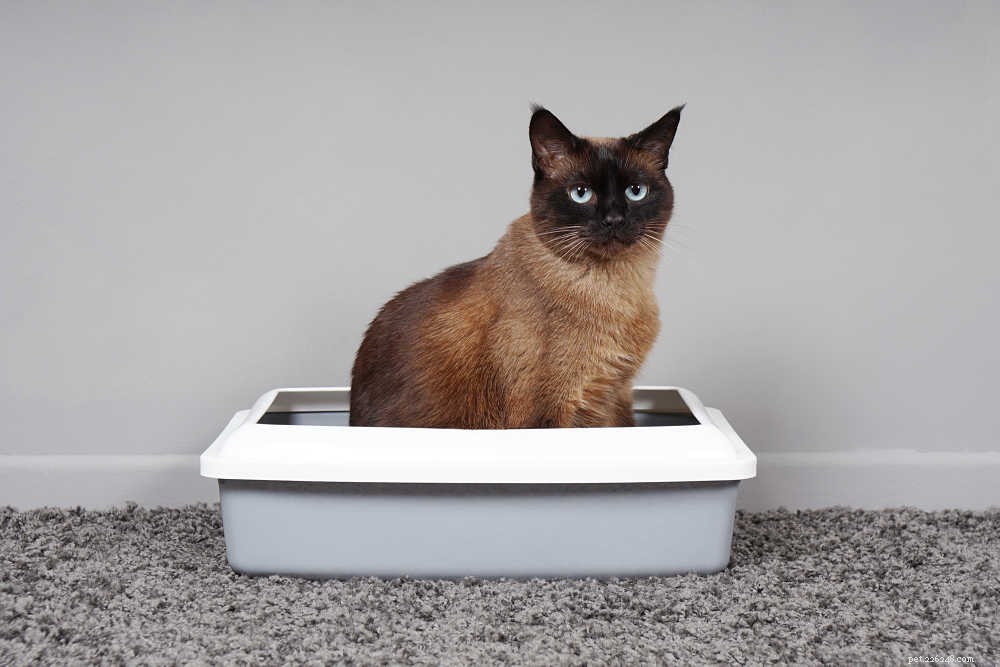
Cat constipation is a serious health problem that can cause a great deal of suffering. Constant constipation in cats can trigger irreversible enlargement of the colon that can only be treated with surgery. Constipation in senior cats is much more common than young kittens, but felines of any age can develop this condition.
Table of Contents
Common causes of cat constipation
Ranging from behavioral to environmental reasons, there is a broad spectrum of factors that combine to cause feline constipation. The following list includes some of the main causes of constipation in cats.
- Arthritis
- Blockages from foreign products, like hairballs
- Change in diet
- Dehydration due to kidney disease or any other issue
- Diabetes
- Lack of physical activity
- Medication, such as anesthetics
- Megacolon
- Obesity
- Reduced Water Intake
- Unwillingness to use the litter box due to stress or other problems
Signs of a constipated cat
Finding less poop in the litter box is the most obvious symptom of cat constipation. Generally, cats tend to defecate 1-3 times in a day. However, if your kitty hasn’t pooped in 24-48 hours, start looking for signs and symptoms of constipation in cats. Below are some signs that can help you determine your pet’s suffering.
- Anxiety
- Blood in the stool
- Crying/vocalizing while using the litterbox
- Difficult, dry feces
- Defecating outside the litter box
- Infrequent defecation
- Lack of appetite
- Straining when using the litter box
- Vomiting
How to cure constipation in cats?
The treatment of feline constipation depends upon the severity of the condition. If the constipation is mild, it can be managed by home remedies and dietary modifications. On the other hand, severe cases of cat constipation will require veterinary help to ensure the wellbeing of your pet.
Natural remedies for cat constipation
Making some changes to your cat’s lifestyle can be quite beneficial for relieving mild cases of feline constipation. Likewise, a healthy routine will also decrease the chances of developing this condition again. Following are some home remedies and strategies that can help your feline ease elimination woes.
Groom your cat regularly
Although most cats groom themselves really well, it’s always better to offer a helping hand. Regular brushing of your feline’s fur can lessen the chances of constipation by curbing hairballs. Therefore, it’s highly recommended to try brushing your pet for a few minutes every day. If you can’t do that due to a busy schedule, arrange a grooming session with a professional.
Increase hydration
Given that dehydration is one of the biggest causes of feline constipation, encourage your cat to drink more water.
Most cats don’t like to drink standing water but do find it interesting to drink from pet fountains. Likewise, you can add some ice cubes in your cat’s water dish if your kitty prefers cold water. Alternatively, you can make water more enticing (for your cat) by adding some chicken broth in it.
- Pet Behavior
- Pet Breeds
- Pet Names
- Pet Adoption
- Pet Training
- Cat Stories
- Pet Health
- Adorable Pets
- Cats
- Understanding Cat Conjunctivitis: Causes, Symptoms, and Effective Treatments
- Understanding and Managing Cat Hairballs: Prevention, Symptoms, and Treatment
- Essential Guide to Cat Vaccinations: Protect Your Feline’s Health
- The Ultimate Guide to Catnip: How It Affects Your Cat
- Bacterial Cat Eye Infections: Causes, Symptoms, and Care
- Understanding Cat Obesity: Causes, Risks, and Prevention
- Comprehensive Guide to Cat Worms: Prevention, Symptoms, and Treatment