

15 Forgotten Dog Breeds That Once Shaped Human History
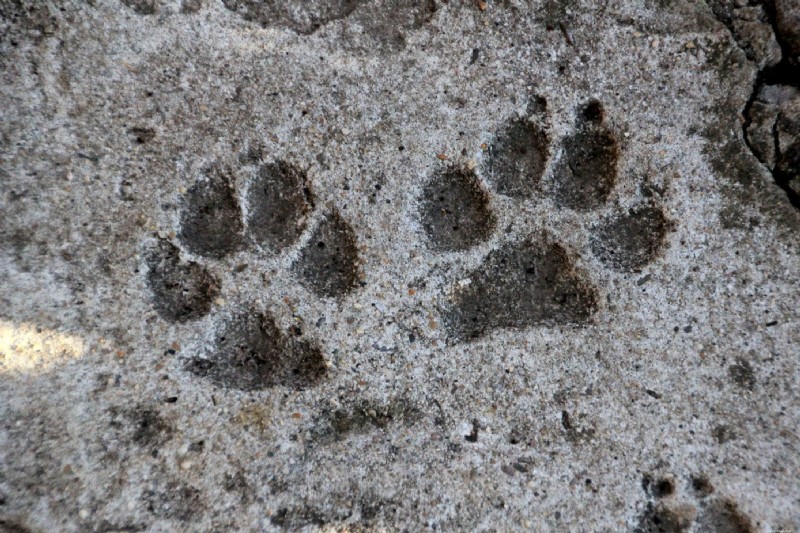
For 15,000 years, dogs have been humanity’s steadfast companions—guardians, hunters, herders, and even spiritual allies. Yet, many breeds that once played vital roles have vanished. Understanding these lost breeds offers insight into our shared past and the evolution of the domestic dog.
“Studying extinct dogs tells us how human societies adapted to changing environments and technologies,” says evolutionary molecular biologist Audrey Lin of the American Museum of Natural History. “They were the first animals we domesticated, and each breed reflects a chapter of our own story.”
Why Do Dog Breeds Vanish?
- Technological and societal shifts – Roles replaced by machines or other breeds.
- Wars and food shortages – Many dogs were culled during conflicts.
- Crossbreeding – Pure lines diluted into new breeds.
- Environmental change – Loss of native habitats or resources.
Some breeds survived in modified forms. The Saluki, Basenji, and Siberian Husky trace their lineage back to now‑extinct ancestors, illustrating the fluid nature of canine genetics.
Extinct Breeds by Era
Techichi (9th–16th centuries)
Believed to be the world’s earliest toy dog, the Techichi was prized by the Toltecs and Aztecs for its mystical qualities. Spanish colonizers later hunted up to 100,000 of them. The breed disappeared after conquest, though it may have seeded the modern Chihuahua.
Hare‑Indian Dog (17th–19th centuries)
Native to north‑western Canada, these swift dogs may have descended from Viking sled dogs or even domesticated coyotes. The rise of firearms and interbreeding with European breeds led to its extinction by the 1860s.
African Hairless (mid‑19th century)
Also known as the Abyssinian Sand Terrier, its hair‑less coat resulted from a gene mutation shared across several continents. The last specimen died in 1903 and is now displayed at the Natural History Museum, Tring.
Salish Wool Dog (18th–20th centuries)
Coastal Salish people bred these thick‑coated dogs for wool. European sheep introduced in the 1800s made dog‑wool obsolete, leading to its extinction around 1940. DNA from a 160‑year‑old specimen confirms its 5,000‑year history.
Hawaiian Poi Dog (17th–early 20th centuries)
Once a humble pariah, the poi dog was fed root‑based poi and, tragically, also a common food source for villagers. European arrival shifted dietary habits, and the breed vanished by the 1900s. A 1960s recreation attempt failed.
Black‑and‑Tan Terrier (17th–early 20th centuries)
Britain’s early terrier, renowned for vermin hunting, was crossbred into several modern terriers. By 1900, it was no longer listed by the Kennel Club and considered extinct.
Turnspit Dog (18th–19th centuries)
These short‑legged dogs powered kitchen turnspits in Europe and America. Mechanical turnspits rendered them obsolete by the 1850s, and the breed disappeared by 1900, with a single stuffed specimen named “Whiskey” at Abergavenny Museum.
Bullenbeisser (17th–early 20th centuries)
Germany’s bull‑baiting champion, the Bullenbeisser, was superseded by other bulldog varieties. Extensive crossbreeding left it extinct by the early 1900s.
Toy Trawler Spaniel (late 19th–early 20th centuries)
Originally a full‑size spaniel, it was used to develop the Cavalier King Charles Spaniel. By 1920, the Toy Trawler had disappeared; the only known specimen is preserved at the Natural History Museum, Tring.
English Water Spaniel (16th–early 20th centuries)
Mentioned by Shakespeare and prized for duck hunting, this curly‑haired spaniel faded out by 1930. Its genetics live on in modern curly‑haired retrievers.
Belgian Mastiff (19th–mid‑20th centuries)
Once common in the Low Countries, this cart‑pulling mastiff declined after the wars and the rise of mechanized transport. The breed is considered extinct by 1950, though a few unregistered specimens may remain.
Córdoba Fighting Dog (19th–mid‑20th centuries)
Designed for dog‑fighting, its population collapsed after Argentina banned the practice in 1954. The breed died out, leaving the Dogo Argentino as its notable descendant.
St. John’s Water Dog (18th–late 20th centuries)
A versatile Newfoundland ancestor, it was wiped out by restrictive dog laws and quarantine regulations. Its legacy survives in the Newfoundland, Labrador Retriever, and Golden Retriever.
Argentine Polar Dog (mid‑20th–early 21st centuries)
Created for polar sledging, it vanished after Antarctic bans in 1994 and the loss of its purpose. The last dog died around 2000.
Fuegian Dog (19th–early 20th centuries)
Distinctly not a wolf lineage, this fox‑like dog served the Yahgan people in southern Patagonia. A 1919 extermination campaign ended its existence.
Tasmanian Wolf (Thylacine) – Not a Dog but an Honorary Companion
The marsupial thylacine, once hunted as a livestock threat, went extinct in 1936. While not a true dog, its cultural impact parallels canine history, and modern cloning efforts aim to resurrect it.
Breeds Still on the Edge
Today, the Norwegian Lundehund and Dandie Dinmont Terrier face endangerment. The Lundehund’s unique extra toes and digestive issues limit its gene pool. Breeders are conducting controlled cross‑breeding programs to enhance diversity, as detailed in a PLoS One study. The Dandie Dinmont, once near extinction, has rebounded thanks to targeted promotion and community engagement.
Can We Rescue Endangered Breeds?
Yes. Historical success stories—such as the revival of the Irish Wolfhound—demonstrate that dedicated breeding, genetic rescue, and public awareness can turn the tide. Potential owners should consider vulnerable breeds listed by national kennel clubs and support organizations like the Rare Breeds Survival Trust.
Why Trust This Report?
Our article is written by seasoned journalist Caroline Coile, PhD, who consulted leading experts. All facts are verified against peer‑reviewed studies and institutional archives.
Sources
- Audrey Lin, DPhil, evolutionary biologist, American Museum of Natural History – interview, March 10 2024
- Cindy Stansell, spokesperson, Norwegian Lundehund Association of America – interview, March 20 2024
- "Genetic rescue of an endangered domestic animal through outcrossing with closely related breeds: A case study of the Norwegian Lundehund," PLoS One
- Rare Breeds Survival Trust
- Pet Behavior
- Pet Breeds
- Pet Names
- Pet Adoption
- Pet Training
- Pet Information
- Pet Health
- Adorable Pets
- Dogs
- Heartwarming Bond: 5-Month-Old Baby and Baby Sloth Become Best Friends
- Pit Bull vs. Staffordshire Bull Terrier: Key Differences Explained
- Safe & Proven Home Remedies for Removing Ticks from Dogs
- Which Dog Breeds Have Dewclaws on Front and Rear Paws?
- Can Dogs Recover from Lyme Disease? Expert Guide to Diagnosis, Treatment, and Recovery
- Can Dogs See Dark Blue? A Closer Look at Their Color Vision
- How to Teach Your Puppy to Swim: A Step‑by‑Step Safety‑First Guide