

20 Low‑Energy Dog Breeds That Love to Nap
Low‑Energy Companions That Love to Relax
After a busy day, the idea of sinking into a cozy spot is appealing. Low‑energy dog breeds offer just that – they’re content to curl up beside you and enjoy a calm, affectionate presence.
Sean Prichard, president of Pant & Wag, a canine‑fitness firm, knows this firsthand. After years of managing high‑energy dogs, he sought a companion with minimal exercise demands. “I wanted a very low‑energy dog,” he explains. That’s why he selected a greyhound named Noodles.
Low‑energy dogs—often called “lazy dogs”—are satisfied with one or two leisurely walks per day or even minimal indoor activity. They excel at napping, and many belong to toy, hound, and nonsporting groups, making some of the most popular breeds among those that thrive on rest.
Which breeds truly embody a relaxed lifestyle? We consulted Prichard and five additional canine experts—including veterinarians and trainers—to compile this definitive list. Below, discover the breeds that take lounging to a new level and the traits that make them a perfect fit for your home.
Subscribe to Reader’s Digest’s Read Up newsletter for pet tips, cleaning hacks, humor, travel, tech, and more, delivered weekly.
Carol Yepes/getty images
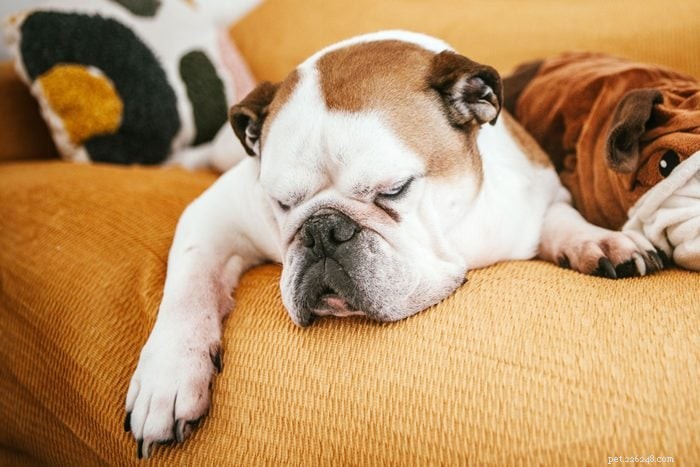
English Bulldog
Often dubbed “lazybones” by Prichard, English Bulldogs are endearing with their underbites and infectious smiles. They thrive as homebodies, preferring to rest beside their family. Though they enjoy two short 15‑minute walks daily, their brachycephalic faces limit exercise tolerance, especially in heat. Naps and cuddles dominate, with indoor play best when air‑conditioned.
Olga Ovcharenko/Getty Images
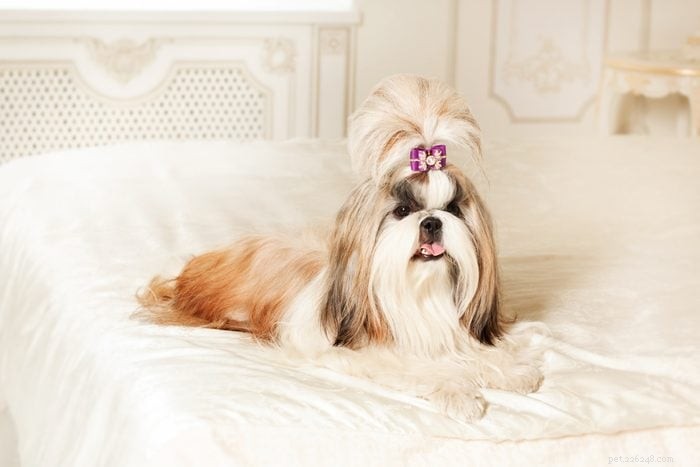
Shih Tzu
Originally bred to resemble miniature lions, Shih Tzus have a calm temperament that made them ideal companions for Chinese royalty. Despite their energetic bursts, their 9‑10‑inch stature means a brief walk or floor‑level play often suffices. One short walk a day still offers mental stimulation and scent exploration.

busra İspir/Getty Images
Pekingese
Another lion‑shaped, historically pampered breed, the Pekingese was bred for companionship, not athleticism. Their dignified demeanor keeps them from hyperactivity, while their flat faces mean light exercise—such as slow sniff walks or indoor play—is advisable, particularly in hot climates.
Evrymmnt/Getty Images
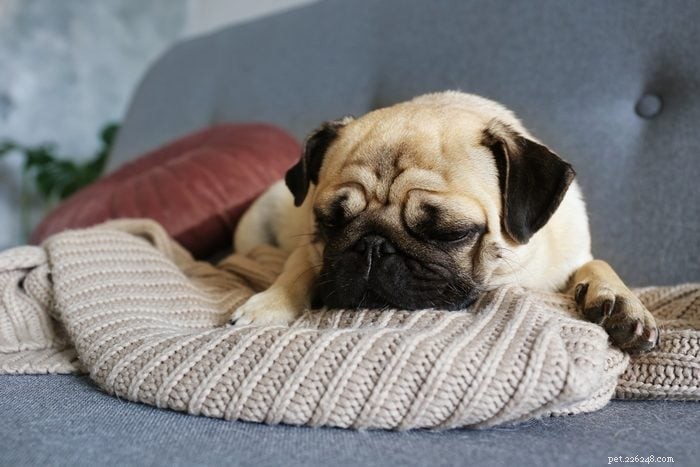
Pug
The challenge with Pugs is resisting their irresistible snuggle urges when you leave the house. Whether purebred or mixed, they enjoy low‑key activities: TV marathons, indoor toy play, especially treat‑dispensing toys. Their love of food matches their napping habits, so balanced meals, gentle play, and short walks are essential to prevent weight gain. As DVM Shannon Barrett explains, Pugs were never bred for work, serving instead as companion animals.
When they do surge with energy, trainer Shane Gentry notes, the “zoomies” are brief, followed quickly by a return to the lap.
Rhys Leonard/getty images
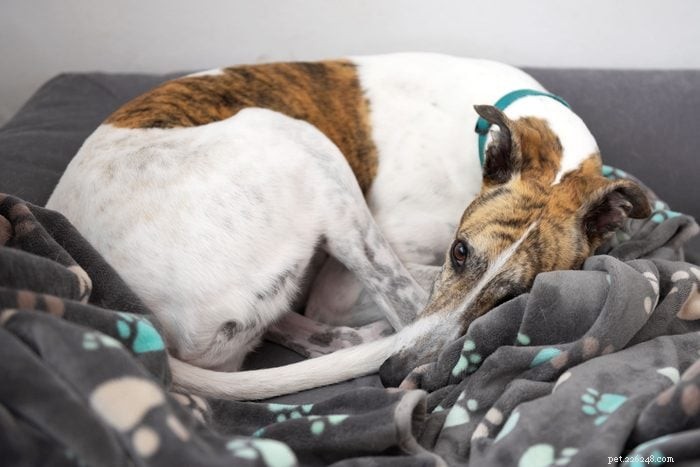
Greyhound
Known for speed—up to 40 mph—Greyhounds are surprisingly content in the most comfortable seat at home. Prichard dispels the myth that they “need” to run, preferring instead a restful couch. Yet their innate reflexes and prey drive warrant leash control during walks to curb sudden sprints.
Prichard recommends two to three short walks—about 60 minutes total and roughly a half‑mile—focusing on sniffing and bathroom breaks. Unlike high‑energy breeds that might cover 5 miles in an hour, Greyhounds relish a gentle stroll.
Cavan Images/Getty Images
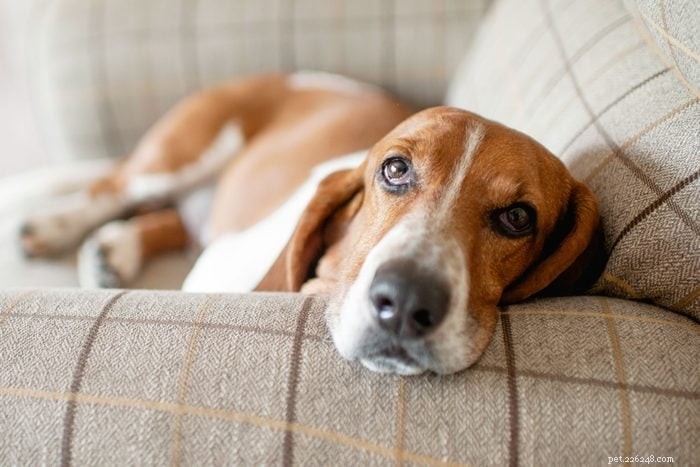
Basset Hound
With soulful eyes and drooping ears, Basset Hounds are affectionate, easy‑going, and become friends with everyone—children, other dogs, cats, and even strangers. A playdate with a canine companion can help expend energy before a long afternoon nap. A single leashed walk daily, rich in sniffing, satisfies their exercise and mental‑stimulation needs, per the American Kennel Club (AKC). Though somewhat stubborn, they are generally easy to train.
Cavan Images/Getty Images
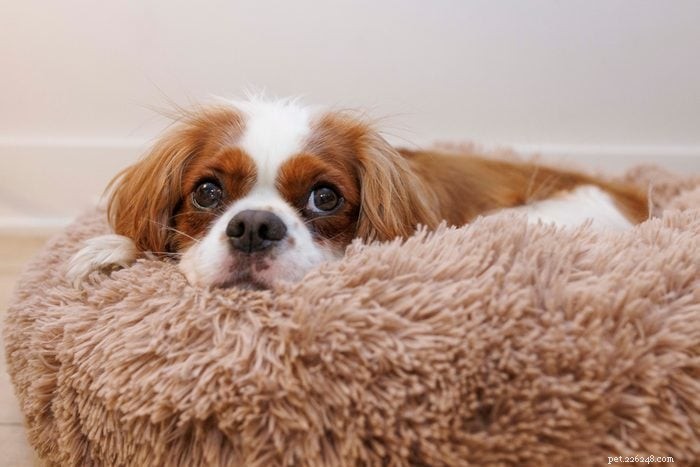
Cavalier King Charles Spaniel
Unlike hunting relatives, Cavaliers prioritize companionship over prey. Their low prey drive means they prefer cuddles to chases, often staying close to the family cat. Daily walks of 30‑60 minutes, plus routine bathroom breaks, are recommended by the Cavalier King Charles Spaniel Club. Descended from 16th‑century lapdogs, Cavaliers crave human company and will follow you everywhere.
servando Juvera/getty images
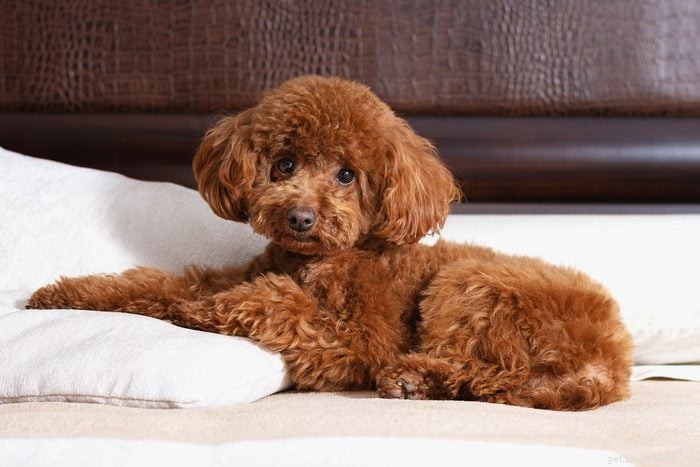
Toy Poodle
“Smaller dogs need less exercise,” notes trainer Jennifer Phillips. Their compact build can tire quickly, making them suitable for two daily walks and indoor toy play. Standard and miniature poodles, however, demand more space and activity, such as longer hikes or Frisbee sessions.
Grooming requires daily brushing and regular salon visits, but the result is a small, affectionate lapdog.
forisana/getty images
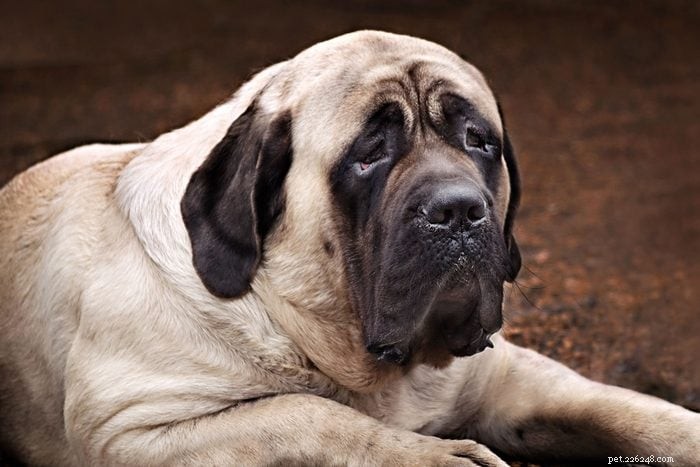
Mastiff
Veterinarian Wendy Hauser highlights that some breeds, like the mastiff, rarely walk for miles. Weighing up to 230 pounds and standing 30 inches tall, they are the epitome of a couch‑potato dog. Historically used for cart pulling and guarding, their size necessitates limited exercise. The AKC recommends half‑block walks for puppies and 1‑2 miles daily for adults. Ideal for apartments, they enjoy play with toys between naps.
Fernando Trabanco Fotografía/Getty Images
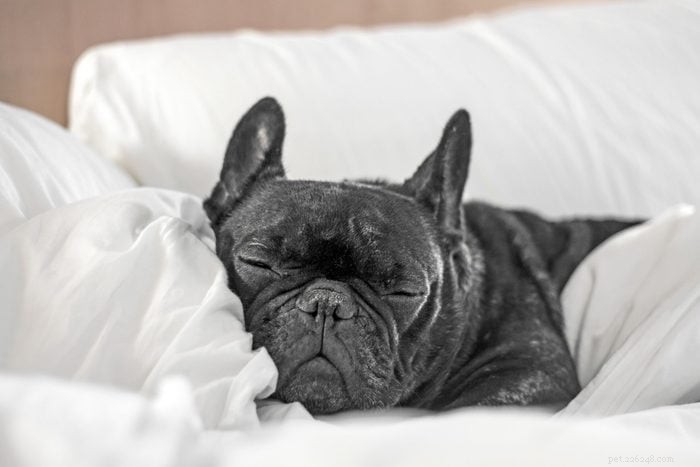
French Bulldog
Veterinarian Amy Attas identifies French Bulldogs as low‑exercise companions. Their strong bond with owners and minimal mental‑stimulation needs make them perfect for single‑owner or apartment living. Two walks and indoor play suffice to keep them content.
They are prolific nappers—up to 20 hours a day—and often snore loudly.
MICHAEL LOFENFELD Photography/Getty Images
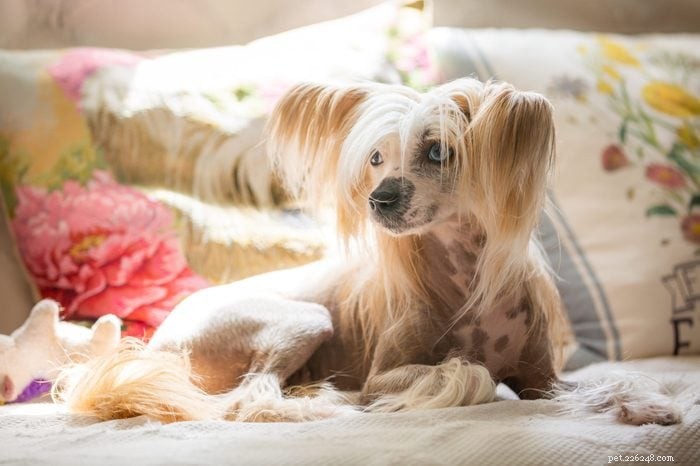
Chinese Crested
Both powderpuff and hairless varieties enjoy a relaxed routine: one or two brief walks and some backyard or indoor play, per the AKC. Powderpuffs need daily damp‑hair brushing and occasional baths; hairless dogs require frequent bathing, sunscreen, and moisturization to protect sensitive skin.
Astakhova/Getty Images
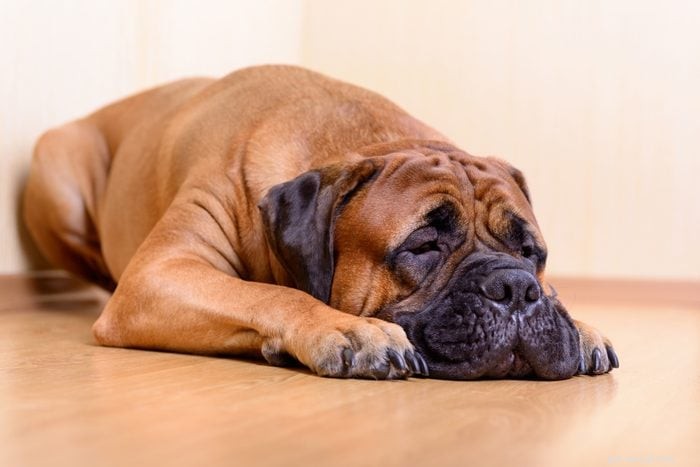
Bull Mastiff
Combining the size of a mastiff with the friendliness of a bulldog, Bull Mastiffs were bred in 19th‑century England to guard estates. Their patient guarding temperament translates into a calm home life. Daily walks keep them active, while the rest of the day is spent lounging. Their large size—over 100 pounds—requires solid training and socialization, and they may drool extensively.
jeangill/Getty Images
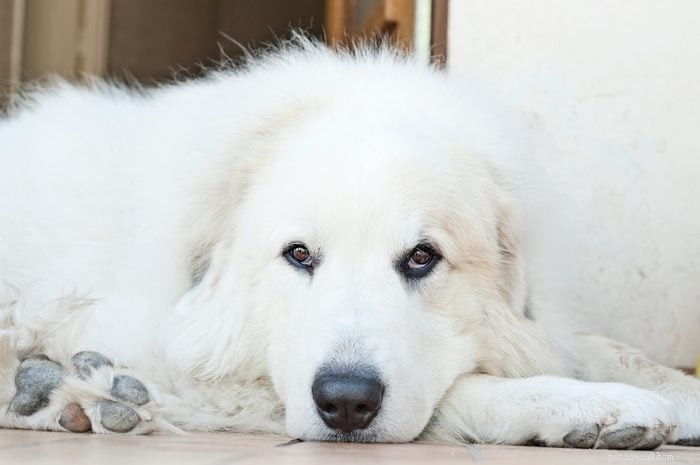
Great Pyrenees
Large—males can reach 100 pounds—Great Pyrenees were bred to guard sheep, not to sprint. They are attentive observers who enjoy a relaxed lifestyle. Daily walks and occasional weekend hikes meet their exercise needs.
ChristopherBernard/Getty Images
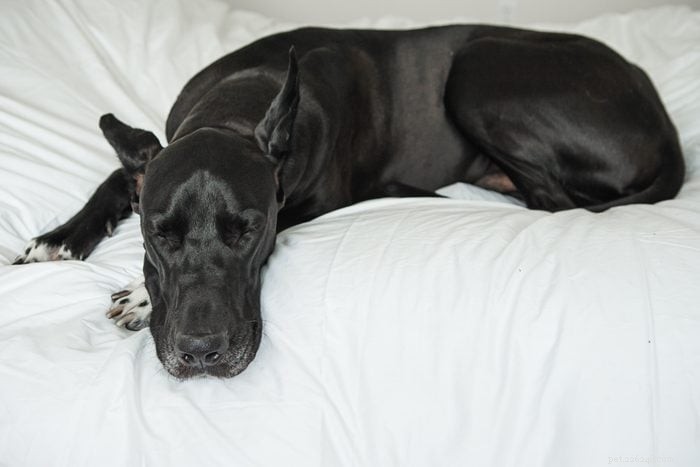
Great Dane
Great Danes require careful growth management, a large‑breed diet, and low‑impact exercise like gentle walks to protect developing joints. Avoid hard‑surface running or jumping in the first two years, says Dr. Attas. Once past 18 months, they can build endurance for jogging, if desired. Two to three walks daily, as advised by the AKC, suffice for adult Danes. Their low energy makes them good apartment dogs, provided they have room to stretch.
Wirestock/getty images
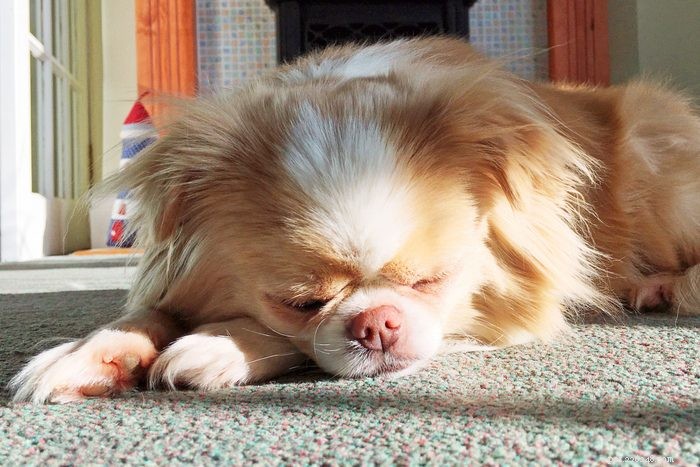
Japanese Chin
One of the most leisurely breeds, the Japanese Chin has been a cherished companion since the Silk Road. They enjoy warm laps and minimal exercise, with a simple grooming routine—just a brush every other week. Their cat‑like independence makes them comfortable grooming themselves while perched on a couch cushion.
Anita Kot/getty images
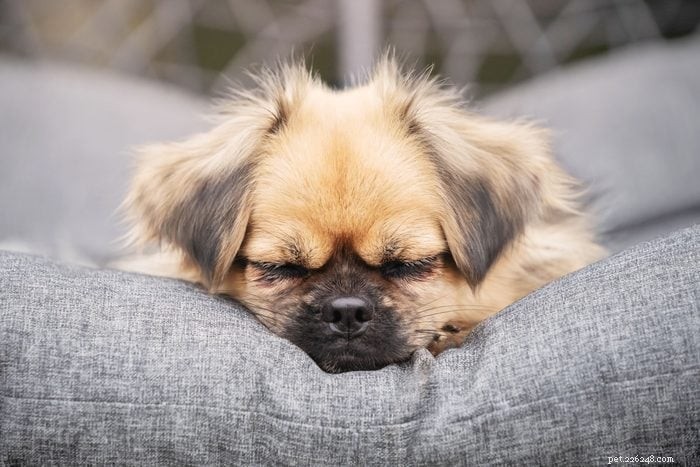
Tibetan Spaniel
Weighing under 15 pounds and standing about 10 inches tall, Tibetan Spaniels were originally monastery guard dogs. Their small size means a daily walk or play session is enough. They are alert and courageous, though not noisy, and their silky coats need only occasional brushing.
mixetto/Getty Images
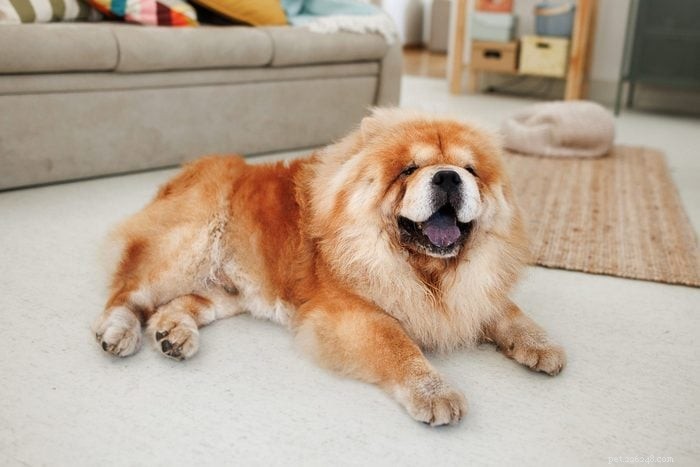
Chow Chow
Chow Chows have a lion‑like mane and thick coat, but they are independent and occasionally aloof. They sleep more than half their day and are not overly clingy. They have unique traits—blue‑black tongues, sometimes extra teeth—and were traced back over 8,300 years.
Purple Collar Pet Photography/Getty Images
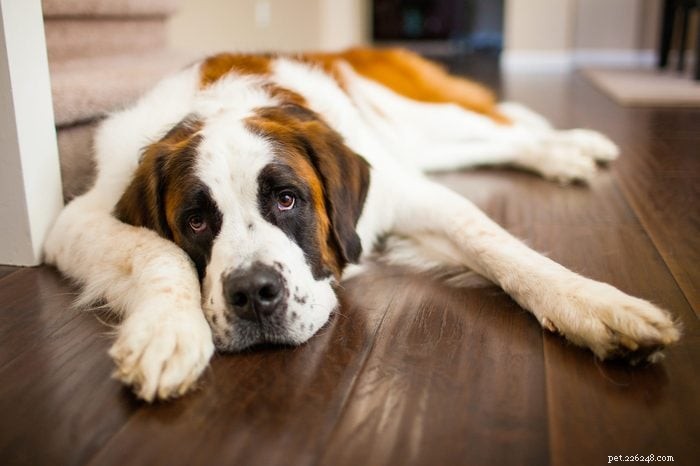
Saint Bernard
Saint Bernards are massive—up to 30 inches tall and 180 pounds—but gentle with people and pets. Former search‑and‑rescue heroes, they mature slowly, with puppy‑like energy lasting up to two years before settling into a relaxed routine of leisurely walks.
Catherine Falls Commercial/getty images
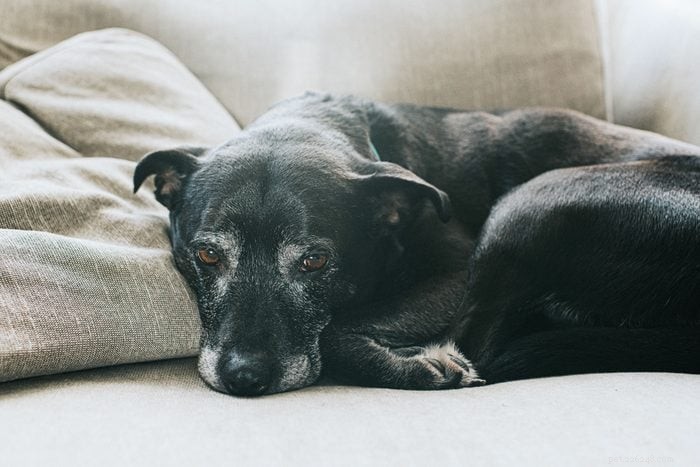
Adult and Senior Dogs
Dogs naturally mellow with age. Prichard notes that puppies are active across breeds, but laziness typically emerges around age two. Senior dogs may need more frequent bathroom breaks but less intense activity. Even at an older age, daily walks—shorter or stroller‑assisted if needed—support health and well‑being.
Do Lazy Dog Breeds Need Walks?
Yes. Even low‑energy breeds benefit from daily walks, which maintain weight, boost mental health, strengthen the human‑dog bond, improve social skills, and prevent boredom‑related destructive behaviors.
- Maintaining health: Walking helps maintain a healthy weight and reduces the risk of obesity‑related diseases.
- Boosting mental health: Exploring new sights and smells gives your pup essential mental stimulation.
- Strengthening your bond: Daily walks build trust and deepen the connection between you and your dog.
- Improving social skills: Meeting other dogs (and people) helps your pup stay friendly and confident.
- Easing boredom: Regular activity keeps destructive behaviors (like excessive/unwanted chewing or digging) at bay.
About the Experts
- Sean Prichard – Certified canine fitness coach, former professional dog trainer, and president of Pant & Wag.
- Amy Attas, VMD – Veterinarian and founder of City Pets Vets, author of Pets and the City: True Tales of a Manhattan House Call Veterinarian.
- Shannon Barrett, DVM – Veterinarian at Island Veterinary Care, owner of Downward Paws.
- Jennifer Phillips – Separation anxiety behavior consultant, certified canine fitness trainer, founder of Separation Anxiety Specialists.
- Shane Gentry – Certified dog trainer, owner of Sally Said So Professional Dog Training.
- Wendy Hauser, DVM – Veterinarian, founder of Peak Veterinary Consulting, spokesperson at ASPCA Pet Health Insurance.
Why Trust Us
Reader’s Digest delivers high‑quality, evidence‑based content written by experts and reviewed by award‑winning journalists. All facts are verified, cited, and updated to ensure reliability.
Sources
- Sean Prichard, certified canine fitness coach, interview, Feb. 28 2024 & Mar. 11 2024.
- Amy Attas, VMD, interview, Mar. 4 2024 & Mar. 11 2024.
- Jennifer Phillips, interview, Feb. 28 2024.
- Shane Gentry, interview, Mar. 2 2024.
- Wendy Hauser, DVM, interview, Mar. 4 2024.
- Shannon Barrett, DVM, interview, Mar. 21 2024.
- Cavalier King Charles Spaniel Club: “General History.”
- Japanese Chin Club of America: “History of the Japanese Chin.”
- Tibetan Spaniel Club of America: “About the Breed.”
- The American Bullmastiff Association: “History of the Breed.”
- Seven Hills Veterinary Hospital: “Walks Are More Than Just for Wags: The 5 Benefits of Walking Your Dog.”
- Pet Behavior
- Pet Breeds
- Pet Names
- Pet Adoption
- Pet Training
- Pet Information
- Pet Health
- Adorable Pets
- Dogs
- Are Blackberries Safe for Dogs? Benefits & Serving Tips
- 140 Elegant Tortoiseshell Cat Names: Unisex & Gender‑Specific Picks
- Understanding Why Cats Scratch Furniture – Expert Insights & Solutions
- Invisible Dog Fence Solutions: The Best Wireless Systems for Safe Outdoor Freedom
- Northern Water Snake: Nonvenomous Guardian of North American Freshwater Ecosystems
- Polly – The Adorable Rescued Ragdoll Cat of the Week
- Cat Anal Gland Problems: Causes, Symptoms, and When to Seek Veterinary Care