

Northern Water Snake: Nonvenomous Guardian of North American Freshwater Ecosystems
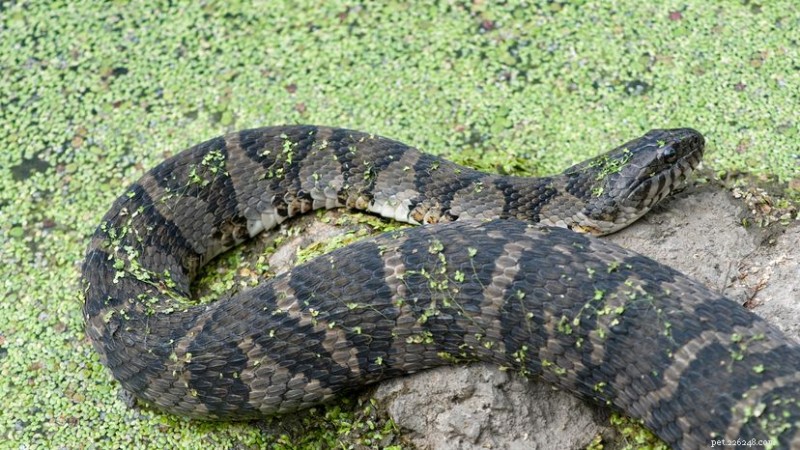
The northern water snake (Nerodia sipedon) is a widespread, nonvenomous reptile that thrives across North America’s freshwater systems. Known for its adaptability, it plays a pivotal role in regulating fish and amphibian populations, thereby sustaining healthy aquatic ecosystems.
Physical Traits
These medium‑sized snakes measure 24–55 inches (61–140 cm) in length, with some individuals reaching 5 ft (1.5 m). They possess a stout, keeled body that gives the skin a textured feel. Their coloration ranges from brown and gray to reddish, often featuring dark blotches or bands that blend seamlessly with muddy or rocky substrates.
Unlike the venomous cottonmouth, the northern water snake has a narrow head that sits just slightly wider than its neck. When swimming, its head usually rises above the surface, a familiar sight along lakes and rivers.
Subspecies Overview
- Common northern water snake (Nerodia sipedon sipedon) – Found throughout central and eastern North America; displays variable coloration.
- Lake Erie water snake (Nerodia sipedon insularum) – Restricted to Lake Erie’s western islands; lighter in color with subtle banding.
- Midland water snake (Nerodia sipedon pleuralis) – Inhabits clear, fast‑moving streams; shows pronounced banding.
- Carolina water snake (Nerodia sipedon williamengelsi) – Occupies salt marshes and freshwater ponds in the southeastern U.S.
Behavior and Social Interactions
Outside of breeding season, northern water snakes are solitary. Spring sees males actively searching for mates, after which they resume solitary life. Females give birth to live young during summer. They are diurnal, basking on rocks or logs, but can also be active at night in hot weather.
Dietary Habits
As carnivores, they feed on fish, amphibians, frogs, toads, and occasionally small mammals. Their strong jaws and sharp teeth allow them to seize slippery prey and swallow it alive. While they help control fish populations, they pose no threat to endangered species.
Habitat and Ecological Role
These snakes thrive in rivers, lakes, ponds, marshes, and streams across North America. Their swimming prowess enables them to cover long distances in search of food or shelter. However, habitat loss and pollution threaten populations in some areas.
Reproduction and Life Cycle
Northern water snakes are ovoviviparous. Females carry embryos for 3–4 months before birthing 12–30 live young, with occasional litters up to 50. Newborns are independent and rely on camouflage and rapid growth for survival. They shed skin several times a year and can live up to nine years in the wild.
Conservation Status
Currently not listed as endangered, but they face threats from habitat destruction, pollution, and human persecution. Misidentification with venomous cottonmouths leads to unnecessary killings. Public education and habitat protection are key to ensuring their continued ecological contributions.
This article was produced with AI assistance and subsequently reviewed and fact‑checked by a HowStuffWorks editor.
- 8 Adorable Aquatic Creatures to Make Your Aquarium Irresistibly Cute
- Discover the Turkish Van Cat: Traits, Care, and Why They’re a Great Family Pet
- Top Dog Chew Toys for Health & Safety
- Understanding Why Your Cat Is Licking Her Hair Off: Causes & Solutions
- How and When Puppies Shed Their Baby Teeth
- 2024 New Puppy Checklist: Essentials for a Happy, Healthy Home
- The Ultimate Guide: 1,000+ Creative Lizard Names for Your Reptile