

Foamy Dog Poop: What It Means for Your Pet's Health
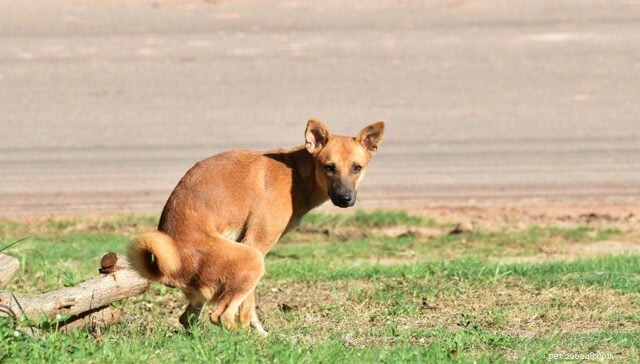
Did you know that an average dog produces about 0.75 lb of feces each day—roughly 274 lb annually? That’s a substantial amount of waste to monitor.
While it might seem unappetizing, your dog’s stool is a valuable health indicator, offering early clues about digestive and systemic conditions.
Many variables—diet, illness, or ingestion of foreign objects—can change the look of your pet’s excrement. Foamy stool warrants veterinary assessment.
In the following sections, we’ll outline common causes of foamy feces, discuss treatment options, and explain what constitutes normal canine stool.
Let’s dive in.
RELATED: The Ultimate Dog Poop Color Chart (with 9 Pictures!)
Common Causes of Foamy Dog Poop
When stool deviates from the normal color or consistency, it can signal digestive upset or food intolerance.
In some cases, foamy feces may indicate a more serious condition, such as gastrointestinal neoplasia.
Generally, the following factors are most frequently responsible for foamy stool.
Food Allergy
Food allergies are surprisingly common in canines.
When a dog reacts adversely to certain proteins or ingredients—such as soy, dairy, wheat gluten, beef, or chicken eggs—the immune system releases antibodies that can trigger diarrhea and vomiting.
Diet Change
A sudden shift in diet can upset the gut’s balance, leading to foamy or watery stools.
The digestive system may react with vomiting, gas, and diarrhea while it adapts to the new feed.
Bacterial Infections
Gastrointestinal bacterial infections can produce frothy or bubbly stool.
Excessive bacterial fermentation elevates gas production, contributing to a foamy appearance.
RELATED: DIY Dog Gas Relief Home Remedies
Eating Inappropriate Objects
Ingesting non‑food items—like grass, leaves, or debris—can irritate the gut and result in foamy stool.
Young dogs are particularly prone, as they often nibble on anything they encounter.
Such ingestion can trigger inflammation or infection of the intestinal wall, producing foamy or mucoid stools.
Undigested Objects
Careful inspection may reveal yellow specks or lumps—indicating undigested food or foreign material.
Common culprits include corn kernels, yellow crayons, chalk, or other yellow objects inadvertently swallowed.
Parasites
Protozoan parasites like Coccidia and Giardia are known to produce foamy feces.
Parasitic infections typically present with vomiting, weight loss, scooting, diarrhea, and lethargy.
They impair nutrient absorption, increasing intestinal gas and resulting in frothy stool.
RELATED: TOP #77: How to Protect Your Dog from Parasites
Malabsorption of Food
Malabsorption refers to the gut’s failure to break down or absorb nutrients properly.
Conditions that impair the small intestine or pancreatic function—especially fat digestion—are common causes.
Liver Damage
The liver filters toxins and produces bile, a critical fluid for fat emulsification.
Hepatic injury may arise from medications, infections, neoplasia, or systemic illnesses.
RELATED: Study: New Blood Test Makes It Easier to Detect Liver Disease in Dogs
Pancreatitis
Pancreatitis—an acute inflammation of the pancreas—is potentially life‑threatening and warrants immediate attention.
It often manifests as abdominal pain, vomiting, anorexia, and a sudden drop in energy.
Yellow, frothy stool coupled with vomiting, fever, or abdominal discomfort should prompt a prompt veterinary visit.
Early detection dramatically improves prognosis.
Gallbladder Problems
Gallbladder disorders—such as gallstones or tumors—can lead to yellowish feces.
Inadequate bile delivery prevents fat emulsification, resulting in pale or mustard‑colored stool.
Foamy Dog Poop with Color
Stool hue is influenced by diet, but unusually vivid or frothy feces can signal underlying problems.
Brown Foamy Dog Poop
Normal canine feces are chocolate‑brown; foam indicates an issue.
- Food intolerance
- Eating inappropriate objects
- Parasite
- Malabsorption of Food
Yellow Foamy Dog Poop
- Undigested yellow object
- Liver damage
- Pancreatitis
- Gallbladder problems
White Foam in Poop
- Gas buildup caused by eating too fast
- Excessive fat intake
- High levels of calcium
- Bloating
What Does Healthy Dog Poop Look Like?
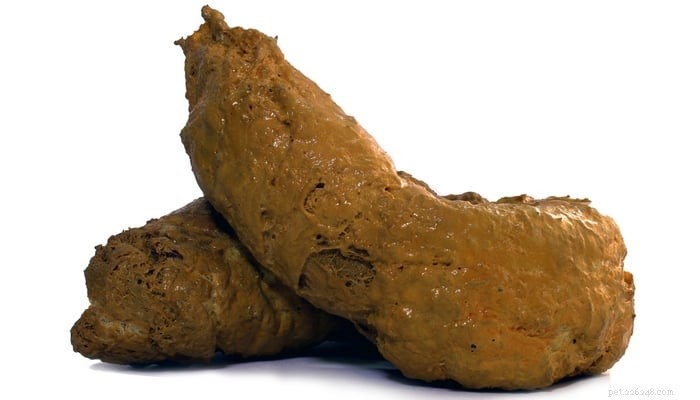
Ideal stool is brown, elongated, and moderately firm, with a size reflecting the quantity of ingested food.
Assessing stool using the “Four C’s”—Color, Consistency, Content, and Coating—helps gauge health.
Color
Chocolate‑brown stool results from bilirubin in bile, released by the gallbladder during digestion.
Consistency
Consistency reflects diet and gut health. Vets employ a 1–7 fecal scoring scale to quantify stool softness.
Score 1 denotes hard pellets; score 7 corresponds to a liquid puddle.
A score of 2—firm, caterpillar‑shaped, and Play‑Doh‑like—is considered ideal.
Content
Content should be uniform; the presence of worms, foreign bodies, or excess fur suggests a problem.
Worms (e.g., roundworms, tapeworms) or large fur clumps may indicate over‑grooming, stress, or allergies.
Excessive licking or grooming often signals underlying stress, allergies, skin disorders, or boredom.
Coating
Healthy feces lack a mucous coating; any residue on grass indicates a coating.
A mucus layer usually signals colonic inflammation and often accompanies diarrhea.
What To Do If My Dog's Poop is Foamy?
When foamy or abnormal stool appears, investigate carefully before assuming the cause.
Track recent meals and activities to identify potential triggers.
For mild diarrhea, veterinarians often suggest an 12–24 hour fast or a small, bland diet tailored to GI upset.
Fasting can lower glucose levels; therefore, always seek veterinary guidance first.
Watch for accompanying signs—vomiting, lethargy, anorexia, abdominal pain—to aid prompt diagnosis.
Severe pain warrants immediate emergency care.
The veterinarian will likely order bloodwork and a stool analysis to pinpoint the issue.
RELATED: 9 Emergency Dog Health Conditions That Cannot Be Delayed
FAQs About Foamy Dog Poop
What does unhealthy dog poop look like?
Stool colors ranging from orange, yellow, green, to gray often indicate disease or poor health.
What does a dog's poop look like with parvo?
Parvo presents with vomiting and bloody diarrhea; vomit may be clear, yellow, or brown, while diarrhea often appears bright yellow or mustard‑colored.
How do I know if my dog has bowel problems?
Dogs that have bowel problems often experience symptoms such as:
- Excessive drooling
- Constipation
- Diarrhea
- Vomiting
- Loss of appetite
- Abdominal Pain
- Bloating
- Dehydration
- Lethargy
Foamy Dog Poop: Before You Go…
Regular stool checks provide early warnings of health issues.
Although it may be unappealing, inspecting feces offers valuable insights into your pet’s well‑being.
Early detection makes treatment more effective.
Notice anything concerning? Consult your veterinarian promptly.
For additional guidance, explore the articles listed below.
Related Articles
- Dry Dog Poop: 7 Causes For Dry or Crumbly Stool
- Oily Dog Poop: What Does It Mean
- Blood in Dog Poop (And What You Can Do About It)
- Pet Behavior
- Pet Breeds
- Pet Names
- Pet Adoption
- Pet Training
- Pet Information
- Pet Health
- Adorable Pets
- Dogs
- IceFang Tactical Dog Harness Review: Performance, Comfort, and Durability Compared
- Dog Ear Mites vs. Ear Wax: Quick Guide to Spotting and Treating Each Issue
- Effective Dog Training: Mastering 'Wait' and 'Stay' Commands
- Expert Cleaning Tips for Pet Owners: Fresh, Odor‑Free Homes
- How Worms and Parasites Can Sicken Your Reptile: Signs & Solutions
- The Complete Guide to Feeding & Caring for Your Yellow Canary
- How Often Do Cats Poop? A Complete Guide to Your Cat’s Bathroom Habits