

Cerebellar Hypoplasia in Dogs: Causes, Symptoms, Diagnosis, and Care

Notice your pup wobbling on its feet? It may not just be playful clumsiness—it could be a sign of a neurological condition called cerebellar hypoplasia (CH).
CH is a rare, lifelong disorder that affects a dog’s coordination and balance. While the condition is non‑progressive and painless, understanding its signs and learning how to support your dog can make a significant difference in its quality of life.
What Is Cerebellar Hypoplasia?
CH is a developmental abnormality of the cerebellum, the brain region responsible for balance and motor coordination. During gestation, the cerebellum fails to develop fully, leaving the puppy with a smaller cerebellum that limits its motor function.
Because CH is non‑progressive, symptoms do not worsen over time. Dogs can lead full, joyful lives with proper care and environmental adjustments.
Veterinary literature identifies several potential causes:
- In‑utero viral infections such as canine herpesvirus or parvovirus.
- Neonatal infections within the first four weeks of life.
- Environmental toxins exposure during pregnancy.
- Trauma or brain injuries.
- Genetic predisposition.
- Maternal nutritional deficiencies.
- Idiopathic cases where no clear cause is identified.
Breeds With Higher Risk
While CH can affect any dog, certain breeds show a higher incidence, especially when combined with viral exposure or genetic factors. Breeds to monitor closely include:
- Chow Chow
- Bull Terrier
- Boston Terrier
- Airedale Terrier
- Wirehaired Fox Terrier
- Irish Setter
- Eurasier
- Beagle
- Samoyed
- Rhodesian Ridgeback
- Coton de Tulear
- Dachshund Mix
- Alaskan Malamute
Even breeds not listed can develop CH if exposed to infections, toxins, or trauma.
Recognizing the Signs
Common clinical indicators of CH include:
- Ataxic, uncoordinated gait or jerky strides.
- Tremors of the head and limbs during movement.
- Head bobbing or a wide‑legged stance.
- Difficulty judging distance or direction.
- Frequent falls or trouble standing still.
- Incoordination when reaching for food or water.
- Involuntary eye movements (nystagmus) in some cases.
Diagnosis Process
Veterinary confirmation involves:
- Detailed medical history and physical exam.
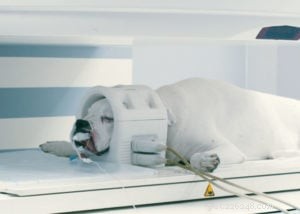
- Imaging—MRI or CT—to reveal cerebellar underdevelopment.
- Additional neurological tests to rule out vestibular disease, injury, or other causes.
Be ready to discuss symptom duration, progression, and the mother’s health during pregnancy.
Treatment Options
There is no cure for CH, but because the condition is non‑progressive and painless, the focus is on supportive care to maximize your dog’s comfort and independence.
Key Supportive Strategies
- Place non‑slip mats and rugs to cushion falls.
- Use elevated bowls so your dog doesn’t need to lower its head.
- Maintain regular grooming—especially nail trimming—to aid balance.
- Limit stairs, sharp corners, and other hazards.
- Install pet gates or playpens during high‑energy moments.
- Consider a dog wheelchair or harness for mobility support.
- Schedule routine veterinary check‑ups to monitor health.
- Enroll in physical or integrative rehabilitation to improve muscle control.

Living With a Dog With CH
Dogs with CH adapt best when routines remain stable. Avoid sudden layout changes and provide consistent feeding, sleeping, and play schedules. Positive reinforcement training can build confidence, while gentle play and supervised outdoor time enhance overall wellbeing.
Hand‑feeding during eating difficulties and offering extra emotional support help your dog feel safe and loved.
With attentive care, CH dogs often enjoy a normal lifespan and happy, fulfilling lives.
RELATED: How Long Do Dogs Live: Your Dog's Lifespan
Prevention Strategies
Preventing CH starts with healthy pregnancy management:
- Ensure timely vaccinations and monitor for viral infections.
- Provide balanced nutrition and avoid toxins (herbicides, pesticides, lead, mercury).
- Use genetic testing and selective breeding to reduce hereditary risk.
RELATED: TOP #50: What Are Dog DNA Tests and Are They Reliable?
Frequently Asked Questions
1. Is cerebellar hypoplasia painful for dogs?
No. CH affects coordination but does not cause pain or progressive damage.
2. Can dogs with CH live normal lives?
Yes. With environmental adaptations and supportive care, many dogs lead long, happy lives.
3. Is CH in dogs the same as in cats?
While the underlying neurological dysfunction is similar, cats often exhibit more severe symptoms. Diagnosis and management principles are largely comparable.
4. Can CH worsen over time?
No. CH is non‑progressive; symptoms remain stable throughout the dog’s life.
Take Action Early
Spotting early signs of involuntary movements is crucial. Prompt veterinary evaluation can confirm CH and allow you to implement supportive measures early on, enhancing your dog’s quality of life.
Remember, a bit of patience and a lot of love can help your CH dog thrive.
Related Articles
- 9 Neurological Problems in Dogs with Pictures: Signs, Causes, Treatments
- Sunday's Recap: Making Life Easier for a Disabled Dog
- Improving Quality of Life for Senior Dogs
Comments are closed for this post.
- Pet Behavior
- Pet Breeds
- Pet Names
- Pet Adoption
- Pet Training
- Pet Information
- Pet Health
- Adorable Pets
- Dogs
- Can a Raw Dog Food Diet Reduce the Need for Brushing?
- Painted Turtle Care & Natural History: Expert Tips for Owners
- Pet vs. Wild Mice: Key Differences & Pet Suitability
- How to Spot and Treat a Sad Puppy: Signs & Solutions
- 12 Proven Rules for Lightning-Fast Dog Recall
- Guide to Supporting Pets Impacted by the Shasta County Wildfire
- Protect Your Cat: The Ultimate Guide to Microchipping in 2024