

Apple Cider Vinegar: Benefits for Dogs and Cats
Why Apple Cider Vinegar?
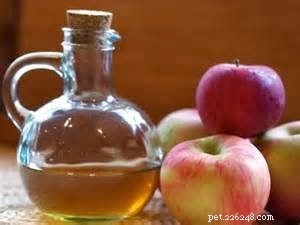
Apple cider vinegar (ACV) is a natural, inexpensive remedy that can support the health of dogs and cats. When properly diluted, it can be used for ear cleaning, flea control, skin soothing, and even as a supplement in drinking water.
Ear Cleaner
Mix equal parts ACV and purified water. Soak a cotton ball with the solution, wipe gently inside the ear canal, then follow with a dry cotton ball to remove excess moisture. This helps prevent yeast infections and keeps ears clean.
Flea Treatment
Combine ACV and water 1:1 in a spray bottle. Lightly mist the fur until wet, or rub the solution onto the skin. Reapply as needed to deter fleas. Remember to avoid the eyes and any open wounds.
Skin Care
If your pet suffers from allergies or itchy skin, a 1:1 ACV‑water mixture can be rubbed onto the affected areas to soothe irritation. Do not apply to open sores or severely inflamed skin; wait until they heal first.
Adding ACV to Drinking Water
For large water bowls, add 1 tablespoon of ACV. For smaller dishes, use 1 teaspoon. This can help maintain a healthy coat and support skin health.
Safety Tips
- Always dilute ACV; undiluted vinegar can irritate the mouth, skin, and gastrointestinal tract.
- Introduce it gradually and observe your pet for any adverse reactions.
- If your animal has chronic health issues or is on medication, consult a veterinarian before using ACV.
Share This Story, Choose Your Platform!
- Pet Behavior
- Pet Breeds
- Pet Names
- Pet Adoption
- Pet Training
- Pet Information
- Pet Health
- Adorable Pets
- Dogs
- Ultimate Guide to Toy Poodle Care in Singapore: Nutrition, Grooming & Exercise
- The Anatolian Cat: Comprehensive Breed Profile & Care Guide
- Do Dogs Truly Experience Surprise? Exploring Their Emotional Responses
- 4 Dog Mushing Mistakes to Avoid for Pro-Level Performance
- Best Holiday Gift Ideas for Pets: Thoughtful, Fun, and Budget-Friendly
- What Does It Mean When Your Cat Places Its Paw on You?
- Common Health Concerns in Bichon Frise: From Dental to Orthopedic