

Blue‑Tongued Skinks: Expert Care & Breeding Guide – Part 2
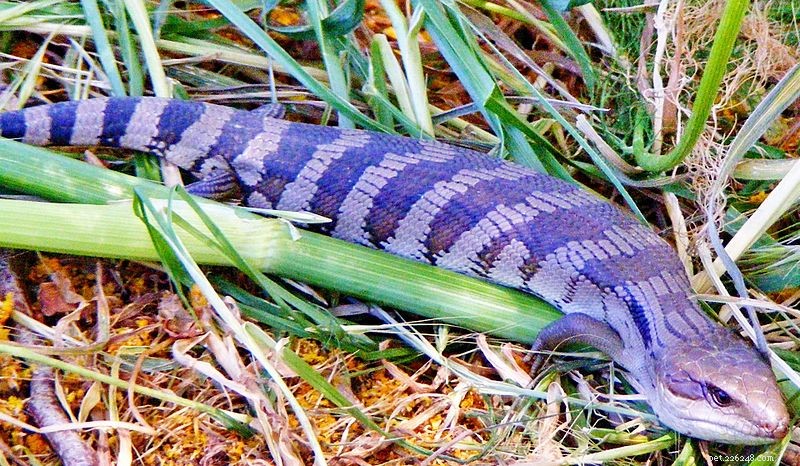 Please see Part I of this article for notes on other aspects of skink care (temperature, light, etc.) and taxonomy.
Diet
Blue Tongue Skinks have very accommodating appetites, which makes it easy to provide them with a varied, balanced diet – not often the case with lizards in general!
The bulk of their diet – 60-70% – should be comprised of a mixed salad of greens and vegetables, to which has been added a small amount (i.e. 10% by volume) of fruit. Kale, bok choy, dandelion, mustard and collard greens, beets, various beans, squash, carrots, yams, apples, figs, papaya and other seasonally available produce should be offered, with variety being a key point.
Animal-based protein can be provided by canned Tegu-Monitor Diet, canned insects or, if you prefer, live crickets, roaches, super mealworms, butter worms and wild-caught invertebrates. Many folks use canned cat food or monkey chow as a protein source, but I prefer products formulated for lizards.
Tricking Fussy Feeders
Like many lizards, Blue Tongues can become overly fond of certain foods, and refuse to take others. A friend in England let me in on a secret which she claims is often used by European hobbyists – vanilla custard! The skinks are said to consume anything that is coated with this favored treat (strawberry jam works for Box Turtles, so why not!).
Vitamin-Mineral Supplements
Young skinks grow rapidly and need lots of Calcium and other nutrients. For the first year or so of their lives, coat all food with supplements, alternating between Reptocal and Reptivite w/D.
Adults fed a varied diet will require supplements one or two times weekly.
Breeding
Captive reproduction is a real possibility for those with a compatible pair – with emphasis on “compatible”. The chief impediment to reproduction is finding a male and female that will tolerate one another’s company long enough to allow for mating. Injuries inflicted by the powerful jaws during fights can be severe, so you’ll need to monitor introductions carefully.
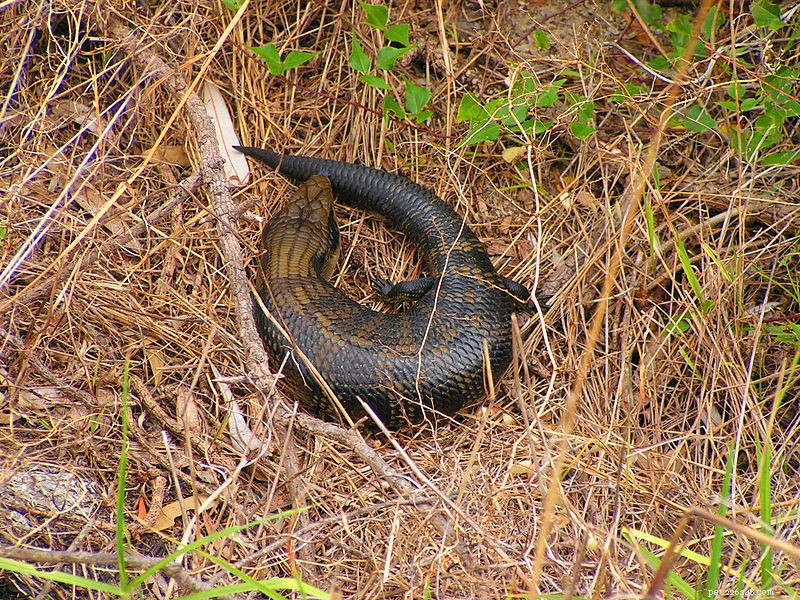 It is best to house skinks separately until you are ready to pair them up, and to place the larger, more aggressive animal into the smaller individual’s terrarium, to remove the “home court” advantage.
Potential breeders should be pre-conditioned by spending 4 weeks or so at a temperature of 60-68F, during which time they do not need to be fed (please write in for details). Although UVB light is not essential for Blue Tongue Skinks, UVA is likely very important in regulating their behavior, and may help to stimulate reproduction. A UVA-emitting lamp is a wise investment for all reptile breeders, especially those who work with diurnal (day active) species such as Blue Tongue Skinks.
Females bear 6-20 live young; in the past I have separated them from the female within a week or so, but others report success in raising the brood with their mother.
- Blue Tongue Skink Breeders in the USA – 2024 List & Ethical Buying Guide
- What Do Blue‑Tongued Skinks Eat? Wild Diets and Pet Nutrition
- 11 Popular Blue‑Tongue Skink Morphs: A Guide for Terrarium Owners
- Optimal Diet for Blue‑Tongue Skinks: A Comprehensive Guide
- Keeping & Breeding Blue‑Tongued Skinks – A Practical Guide (Part 1)
- Breeding the Green Basilisk (Plumed) and Related Species – A Comprehensive Guide
- Guide to Caring for and Breeding the African Pygmy Mouse – Part 1