

Safeguarding Spring's Amphibian Breeding Migrations: A Guide to Protecting These Vibrant Species – Part 2
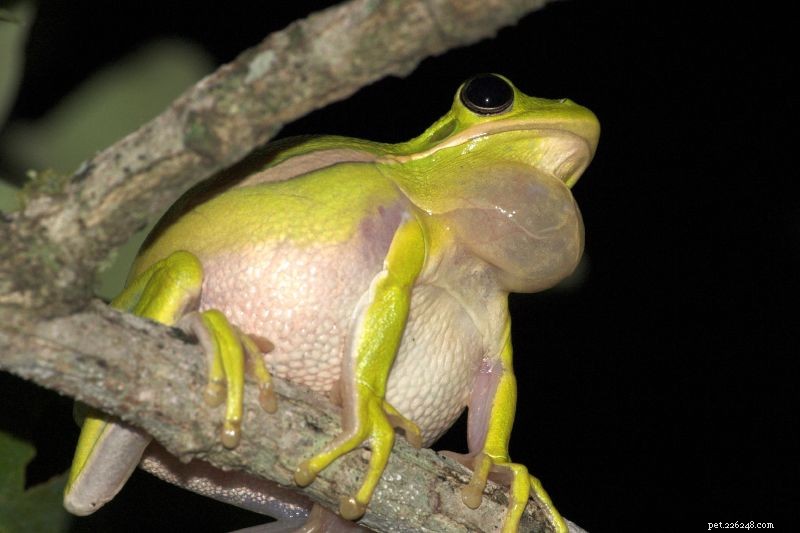 In Part I of this article I wrote about the huge numbers of Spotted Salamanders, Spring Peepers, Tiger Salamanders, Wood Frogs and other amphibians that are right now (March/April, 2010) approaching and entering their breeding ponds. Today I’ll highlight some important programs that you can become involved in if you wish to observe and help protect this wonderful yearly phenomenon.
A Vital but Over-looked Amphibian Habitat
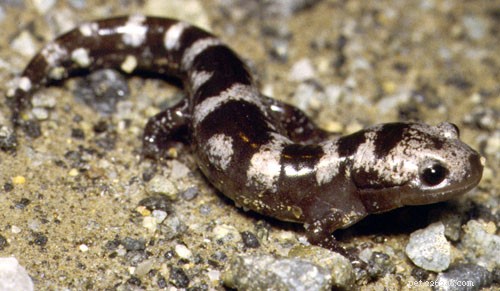
The species mentioned above, and others such as Marbled Salamanders, most Treefrogs and Toads, and many Newts, deposit their eggs in temporary pools of water that form in late winter and dry out by mid-summer. By avoiding permanent bodies of water, they remove the threat of fish predation upon themselves and their eggs and young.
Until recently, these watery retreats, being quite small and dry for much of the year, were not recognized as important amphibian habitat. Many were paved over during construction projects; those located near roads were often rendered uninhabitable by salt and chemical runoff. Invertebrates unique to vernal ponds, such as Fairy Shrimp, also suffered.
Conservation Projects-Volunteers Needed!
 Things are slowly changing for the better, especially as regards protecting migrating amphibians as they cross roads to reach their breeding sites. Road closures are becoming more common – this spring, certain roads in the Delaware Water Gap National Recreation Area will be closed for the 8th consecutive year to allow amphibians to cross (please see below).
Our British amphibian cohorts have a longer history of related activities. The Toads on Roads Program, sponsored by the group Amphibian and Reptile Conservation, has been rescuing road-bound European Toads for over 25 years – with some volunteers having been involved for that entire period! This year they expect to assist over 40,000 toads at 758 crossing points.
Those interested in amphibian conservation can help out at any time of the year by volunteering in Project Frogwatch or the North American Amphibian Monitoring Program. Deformed amphibians can be reported to the US Department of the Interior.
Summer Breeders
Don’t fret if you miss the spring breeders – American Bullfrog males battle for breeding rights (like scaled down Sumo wrestlers!) throughout the spring and summer; others, such as Spadefoot Toads, may breed after almost any summer rain.
- Blue‑Tongued Skinks: Expert Care & Breeding Guide – Part 2
- Keeping & Breeding Blue‑Tongued Skinks – A Practical Guide (Part 1)
- Protecting Amphibian Breeding Migrations: Preserving North America's Spring Spectacle – Part 1
- Breeding the Green Basilisk (Plumed) and Related Species – A Comprehensive Guide
- Designing an Effective Rain Chamber for Successful Amphibian Breeding
- Creating Optimal Poison Frog Breeding Sites with Artificial Bromeliads – Part 2
- 2010 Amphibian Breakthroughs: New Species, Revived Extinct Finds & Insightful Discoveries – Part 1