

Kihansi Spray Toads Return to Tanzania: From Extinct in the Wild to Reintroduction Success
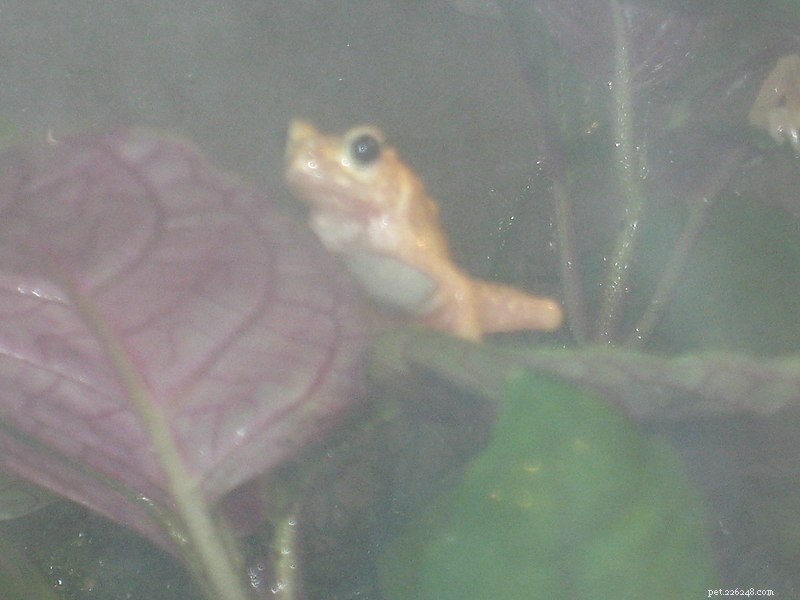
In the year 2000 I had the good fortune to work with the world’s sole surviving group of Kihansi Spray Toads (Nectophrynoides asperginis). Last seen in the wild in 2004, and declared extinct in nature soon after, the 499 individuals sent to the Bronx and Toledo Zoos represented the species’ last chance. Recently (August, 2010), I received the pleasant news that a group was sent back to Tanzania for possible reintroduction.
Discovered and Driven to Extinction Within 3 Years!
The minute, yellow Kihansi Spray Toad was only “discovered” in 1996, and its entire range – a mere 5 acres in area, was limited to the spray zone of a waterfall in the Kihansi Gorge, Tanzania. A dam deemed vital to Tanzania’s economy was built nearby in 1999…destroying the spray zone and sealing the toad’s fate.
Captive Husbandry
At the Bronx Zoo, we were able to meet our miniscule guests’ temperature and humidity requirements, but feeding presented a dilemma. The adults are tiny – 2 could perch easily on my thumbnail – and they give birth to live, fully-formed little toads (there is no tadpole stage). These are incredibly small (a single female could bear 25 at once) – hard to even see, much less feed; pinhead crickets were too large for many newborns!
We relied primarily upon nutrient-loaded pinheads, springtails (tiny insects) and fruit flies, but I was concerned that such did not comprise a balanced diet. I collected tiny leaf-litter invertebrates (newly hatched millipedes, nematodes, ants, etc.) and fed these to the toads whenever possible. Please see the article noted below for information on collecting leaf litter invertebrates – they are an invaluable food source for Poison Frogs, Mantellas, skink hatchlings and other tiny herps.
An Uncertain Future
All went well, and the captive Spray Toad population, held at the Toledo and Bronx Zoos, now stands at 6,500+.
The 100 individuals that have been returned to Tanzania are living at a propagation center in Dar es Salaam. A sprinkler system is being installed in the toads’ former habitat…once it is thoroughly tested and environmental conditions are monitored, the toads can hopefully be reintroduced to the wild.
- Survival Secrets: How Feral Cats Hunt and Eat in the Wild
- What Do Toads Eat? A Guide to Wild and Pet Toad Diets
- Easing Lockdowns: Is a New Normal on the Horizon?
- Leopard Geckos in the Wild: Unveiling the Natural History of a Beloved Pet
- Burmese Pythons in the Wild: Exploring the Natural History of a Giant Snake
- Snake Lizards: Remarkable Legless Predators in the Wild and Captivity
- Can Dogs Thrive in the Wild? Exploring Their Ancestral Roots