

Leopard Geckos in the Wild: Unveiling the Natural History of a Beloved Pet
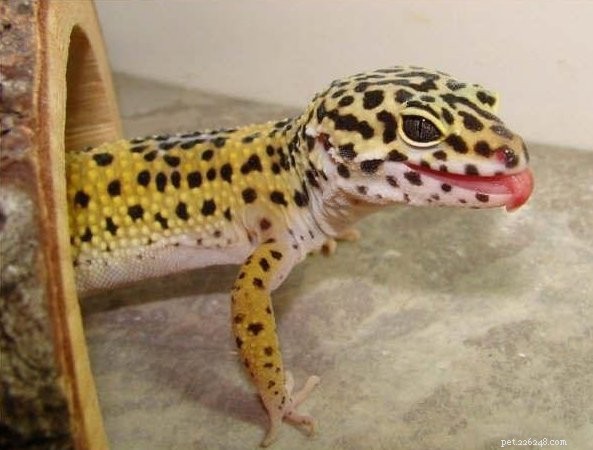 The Leopard Gecko, Eublepharis macularius, is one of the most popular of all reptilian pets, and much has been written on its care and breeding. But this lizard’s other side – how and where it lives in the wild – is less familiar.
Classification
First a bit on where the Leopard Gecko fits in among other lizards, and the species to which it is related.
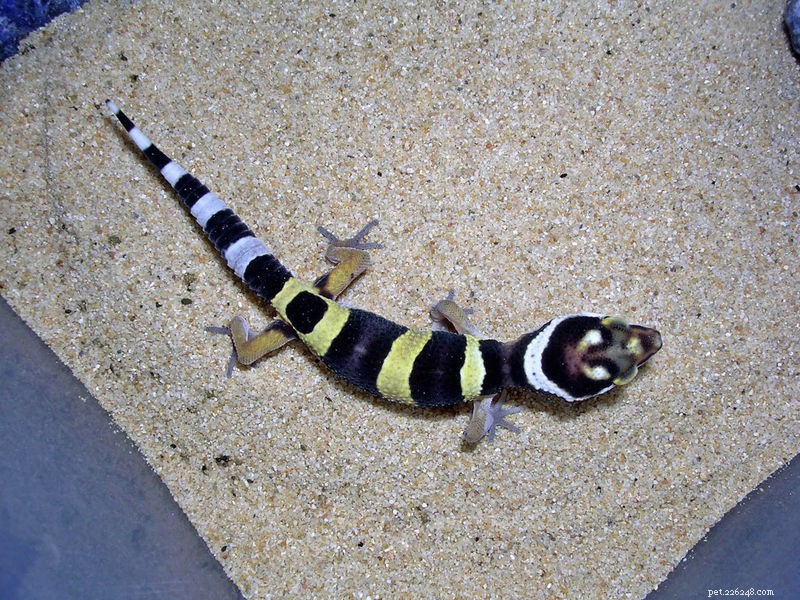
Along with over 1,050 other species, Leopard Geckos were originally classified in Gekkonidae, the largest lizard family (please see article below). Today they are placed within their own family, Eublepharidae, along with relatives such as the Fat-Tailed and Banded Geckos (please see photo). Certain other family members are also commonly referred to as “Leopard Geckos” (i.e. the Vietnamese Leopard Gecko, Goniurosaurus araneus).
In addition to the Leopard Gecko, the genus Eublepharis contains 4 closely related species, the Dusky Leopard Gecko (at 10 inches in snout-vent length, the largest), the East Indian Leopard Gecko, the Iraqi Eyelid Gecko and the Turkmenistan Eyelid Gecko.
The Leopard Gecko’s Latin name is Eublepharis macularius. Five subspecies have been identified, but not all herpetologists are in agreement on this. Most of the Leopard Geckos in the pet trade today came from animals originally collected in Pakistan.
Comparison with other Geckos
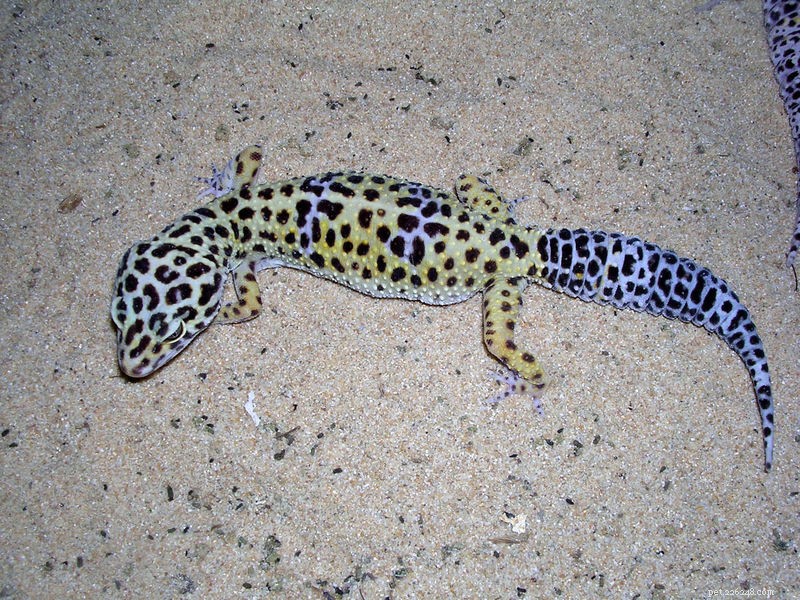 The Leopard Gecko and its relatives are the only geckos to have movable eyelids. The genus name means “true eyelid” while the species name translates as “spotted”. In all other geckos, the eyelids are fused into an immobile, transparent cap known as the spectacle. As in snakes, the eyes thus remain permanently open.
Also unique is the Leopard Gecko’s lack of adhesive foot pads, known as lamellae. Lamellae enable other geckos to perform such feats as climbing glass and running upside-down on ceilings. Herpetologists believe that these microscopically-grooved pads would not be effective in the dry, dusty places inhabited by Leopard Geckos.
Leopard Gecko ears are unusual in their alignment…at the right angle, you can look in one ear and see right through to the other side of the gecko’s head!
Range and Habitat
The Leopard Gecko is found in Southeastern Afghanistan, Western India, Pakistan, Iraq, and Iran, where it frequents semi-deserts and arid grasslands.
Leopard Gecko habitat is characterized by sandy-gravel, rocks, hard clay, coarse grasses and drought-resistant shrubs (please see photo). The lizard’s bumpy, spotted skin, which stands out so well in captivity, provides excellent camouflage against the substrates of its natural habitat. These are harsh lands, where food and water may be unavailable for months on end…perhaps the Leopard Gecko’s adaptation to such extremes explains its hardiness in captivity.
Widely fluctuating temperatures are typical. In the Peshawar region of Pakistan, for example, winter temperatures average 41-59 F but soar to 104 F or more in the summer. While captive Leopard Geckos generally remain active year round, wild specimens become dormant during the colder months.
Diet and Enemies
Leopard Geckos prey upon a wide variety of invertebrates, and store fat within the tail. Included in their diet are some quite formidable creatures, such as large spiders, scorpions and centipedes. Smaller lizards and perhaps nestling rodents may be taken on occasion.
Foxes, snakes, monitor lizards, owls and the large invertebrates mentioned above are the Leopard Gecko’s most likely predators, but field research is lacking.
Conservation
 Almost nothing is known of the status of Leopard Gecko populations; political instability and military conflicts are likely to prevent field research for the foreseeable future.
- Mastering Newt Care: Natural History & Captive Management – Part 1
- Leopard Tortoise (Stigmochelys pardalis): A Comprehensive Overview – Part 1
- Fire Skink (Mochlus fernandi): Natural History & Expert Care Guide
- Rhinoceros Iguana: Natural History, Care Guide, and Habitat Insights
- Greater Siren (Siren lacertina): Natural History, Care, and Fascinating Behaviors
- Burmese Pythons in the Wild: Exploring the Natural History of a Giant Snake
- Emerald Tree Boas: Insights from the Wild for Superior Pet Care