

Understanding Fungal Infections in Reptiles: Part 2 – Diagnosis & Management
 The dangers posed by fungal infections are well-known to amphibian and fish keepers. A number of fungi also attack reptiles, but many have proven difficult to detect and treat. In Part 1 of this article I discussed how stress predisposes reptiles to attack and fungal infections in desert-adapted reptiles.
Rainforest Reptiles
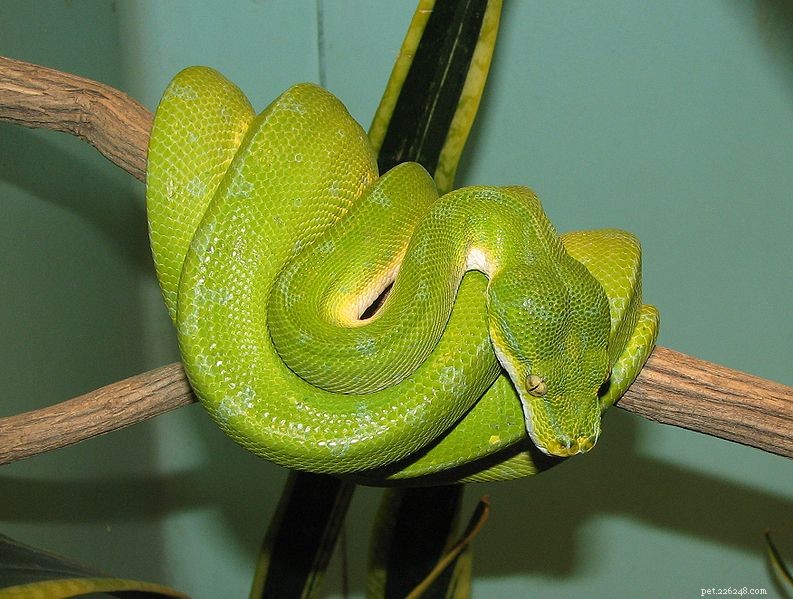
Reptiles adapted to rainforests and other humid environments are not immune to fungal attack, despite the fact that fungi are common in their natural habitats. Problems were first noted in Green Tree Pythons housed in enclosures that allowed for little air circulation. Subsequently, we learned that these snakes must have humidity as well as air circulation if they are to remain free of respiratory infections. I have found the same to hold true for Green Tree Boas, among others.
I advise against covering screening in order to increase humidity; the use of a humidifier or manual spraying is preferable. The Tropicare Humidifier/Air Exchanger provides both moisture and air circulation.
Aquatic and Semi-Aquatic Snakes
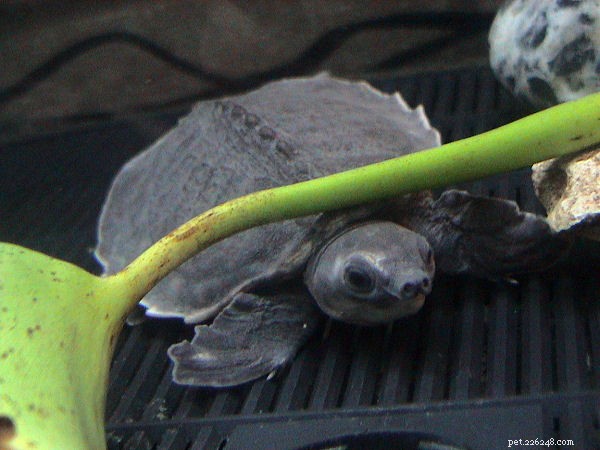
 Fungi thrive in damp environments, so one might expect aquatic snakes to have natural defenses against infection. Yet many seem more prone to fungal attack than are terrestrial species. Another problematical species is the Fly River Turtle. The skin-like coating on their shells seems especially sensitive to infection. While at the Bronx Zoo, I experimented with salt as a cure/preventative…results were mixed. The Diamondback Terrapin, which naturally inhabits brackish environments, is prone to shell fungus when kept in fresh water.
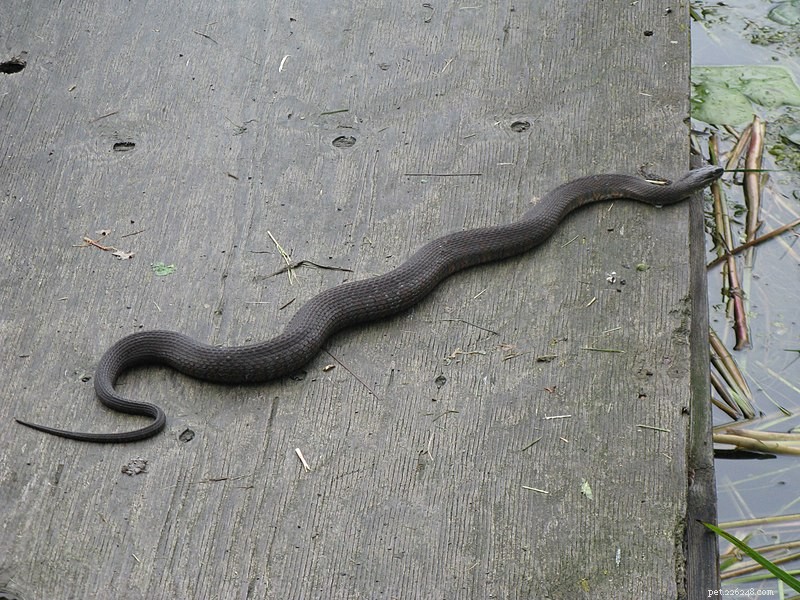
I well-remember my first experience with this phenomenon – a wild-caught Northern Watersnake that I kept in a largely aquatic setup developed numerous skin blisters. Then Bronx Zoo reptile curator Wayne King answered the letter I wrote to him (imagine, the curator of a major zoo responding by mail to a 10 year old!) by suggesting I replace the water section with a bowl and provide a warmer basking site. The blisters cleared up within 2 weeks of the change.
The aquatic Elephant Trunk and Tentacled Snakes are all-too-often plagued by stubborn fungal infections. Treatment remains elusive, although I recall that acidifying the water proved helpful on several occasions.
Turtles
Turtles seem more frequently afflicted by mycotic disease (fungal infection) than are snakes and lizards. I’ve found shell fungus to be most common in Softshell Turtles (especially Narrow-Headed and Chinese Softshells), perhaps because their leathery shells are easily injured and open to secondary infection by fungi.
 Hard-shelled turtles may come down with shell fungi if not provided with dry basking sites. Species that routinely bask in the sun (Map and Painted Turtles, Cooters, Sliders etc.) should always have access to UVB light and the opportunity to thoroughly dry off.
Various topical creams and exposure to UV light have been useful in treating some types of shell fungi; work in this area is in progress now, please write in if you need information on possible treatments.
Fungal Infections of Internal Organs
Unfortunately, reptiles inflicted with internal fungal infections (i.e. liver, kidney, spleen) often exhibit few symptoms until the condition has become serious. Weight loss is sometimes evident, so regularly weighing animals of concern is always a good idea.
Ketaconizole and other medications have proven useful for amphibians (a vet friend once cured a fungal infection in my 21 year old African Clawed Frog with Ketaconizole) and are now being tried with certain reptiles.
- Common Rat Health Issues: Mycoplasma, Respiratory & Heart Diseases – Part 1
- Fungal Infections in Cats & Dogs: Symptoms, Diagnosis, and Effective Treatments
- Understanding and Preventing Metabolic Bone Disease in Pet Reptiles
- The Ultimate Guide to Selecting the Perfect Substrate for Reptiles, Amphibians & Invertebrates – Part 1
- Understanding Fungal Infections in Reptiles: Causes, Diagnosis, and Treatment – Part 1
- Driftwood Submerged Platforms for Aquatic Reptiles & Amphibians – Expert Guide Part 2
- Snake Fungal Disease: Conservationists Warn of a Growing Threat to Global Snake Populations