

The Ultimate Guide to Selecting the Perfect Substrate for Reptiles, Amphibians & Invertebrates – Part 1
 Bark, moss, sand, coconut husk, wood chips …selecting the proper substrate for one’s pets can be a difficult task these days (in contrast to years ago, when we were limited to newspapers, earth or gravel!). Please check out our extensive line of Reptile and Amphibian Substrates to see examples of what is available.
Factors to Consider
A number of factors – some obvious, some not – must be taken into consideration when deciding upon a substrate. Some of the most important are as follows:
Texture: delicate skins may be injured by contact with rough gravel or wood chips. Burrowing amphibians are especially at risk, but reptiles are not immune. I have known Nile Softshell Turtles to suffer fatal wounds from concrete-bottomed exhibits, and even hard-shelled turtles may abrade their plastrons while climbing onto rough basking sites.
Ability to be Swallowed: the potential for injury from ingested substrate is becoming well known. However, the problem is not an easy one to address. Especially confusing is the fact that captives can suffer blockages from the same types of substrate that they ingest and pass in the wild – I have seen this with Surinam toads (sand), Asian Water Dragons (moss) and others. Perhaps the animal’s state of hydration or diet has an influence on the ability to pass substrate with the feces, but for now many questions remain.
Types of Food Consumed: substrate may allow earthworms and waxworms to burrow out of reach – this is especially concerning for shy species that will not feed while being observed. Other substrates stick to salad and moist food items, increasing the likelihood of ingestion.
 Moisture Retention: in some instances, such as where Poison Frogs or Spotted Salamanders are being kept, we will want a substrate that retains water and remains moist. At the other extreme, reptiles adapted to arid habitats, such as Leopard Tortoises and Horned Lizards, are usually susceptible to fungal infections if kept upon a substrate that retains even a slight bit of moisture.
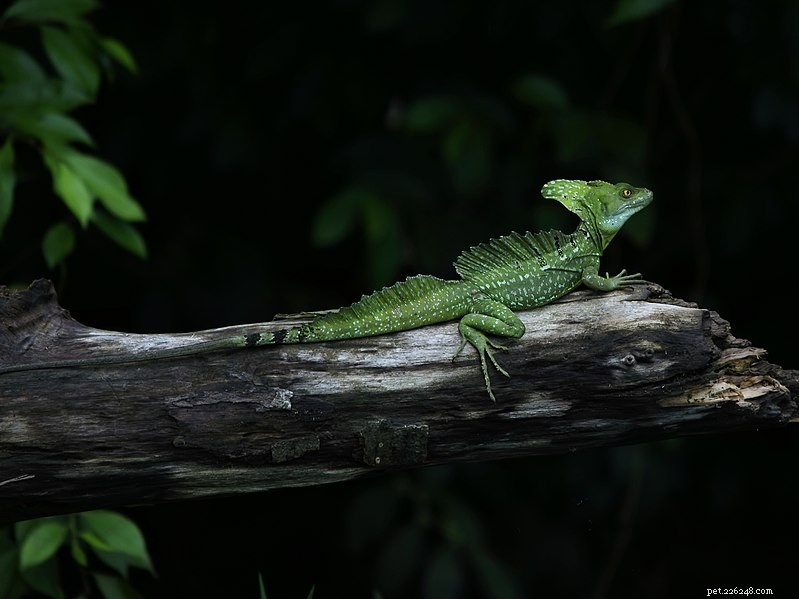
Rainbow Boas, Basilisks, Green Tree Pythons, and other wet-forest reptiles do best when the substrate stays moist for several hours and then dries out completely.
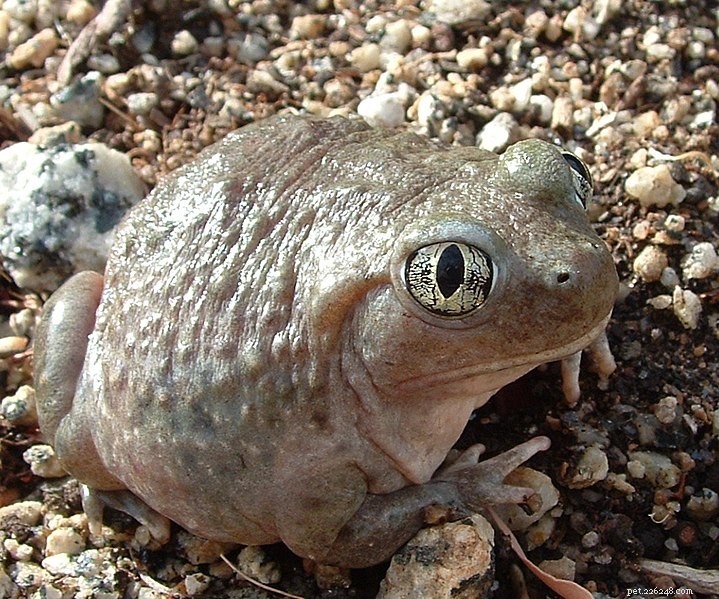
Ability to Support Burrows: while some fossorial (burrowing) animals will adjust to artificial caves, others will not thrive unless provided with a substrate into which they can burrow. Some, such as Sand Boas, Glass Lizards and Giant Millipedes, push through the soil or sand and do not create distinct shelters. Spadefoot Toads, many Tarantulas, Tiger Salamanders, Emperor Scorpions and others excavate burrows that may be quite extensive and used for years. For these animals, the consistency of the substrate is important, lest their shelters collapse.
Cleaning Frequency: ease and frequency of substrate changes must be considered. Most snake and tortoise enclosures will need complete substrate changes. Complex, planted set-ups cannot be easily dismantled, so their inhabitants must be chosen carefully.
Egg Deposition: if animals are likely to lay eggs within the terrarium, the substrate should be of a type that will allow the eggs to thrive until discovered. The tiny eggs of many geckos and anoles are easy to miss, and may desiccate if deposited in a dry area.
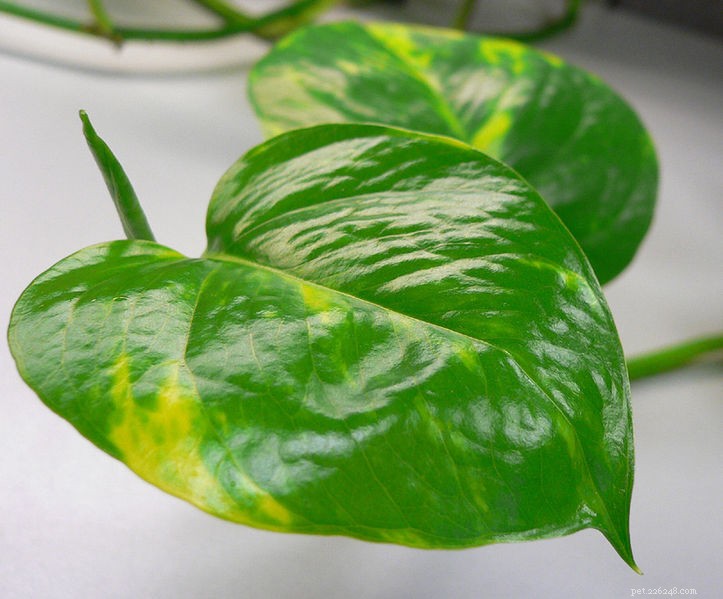 Live Plants: the needs of live plants must be considered in light of the cleaning/substrate removal that will be required.
- The Essential Role of Houseflies and Maggots in Reptile, Amphibian, and Invertebrate Nutrition
- Choosing the Ideal Substrate for Reptiles, Amphibians & Invertebrates: Expert Guide – Part 2
- Driftwood: A Natural Resting & Basking Solution for Aquatic Reptiles & Amphibians – Part 1
- Driftwood Submerged Platforms for Aquatic Reptiles & Amphibians – Expert Guide Part 2
- Calciworms: Premium Black Soldier Fly Larvae for Reptile & Amphibian Nutrition
- Amphipods: Essential Calcium‑Rich Food for Amphibians & Reptiles
- Why Earwigs Are a Nutritious, Low‑Risk Food Choice for Pet Reptiles and Amphibians