

Comprehensive Guide to Vitamin & Mineral Supplements for Aquatic Frogs, Turtles, and Newts – Part 2
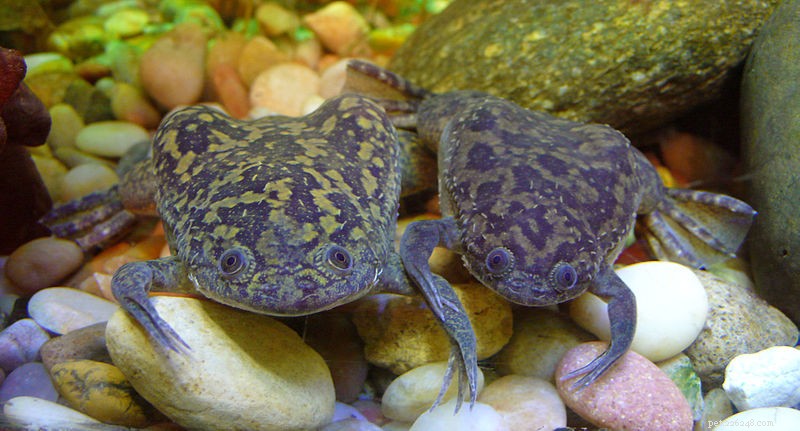 In Part 1 of this article we discussed vitamin/mineral supplements for aquatic animals that accept prepared/non-living foods; included among these are African Clawed Frogs, Sharp-Ribbed and many other newts, and most water-dwelling turtles.
Live Prey Specialists
Animals that take live prey only are especially troublesome when it comes to supplementation, as one cannot coat live aquatic food animals with powders. Popular live food specialists include Dwarf African Clawed Frogs, Mata Mata Turtles, Surinam Toads, Mudpuppies and the larvae of most salamanders.
Providing a healthful diet to the food animals of such creatures is critical to their health and longevity…fortunately, this is easy to do.
Terrestrial Invertebrates
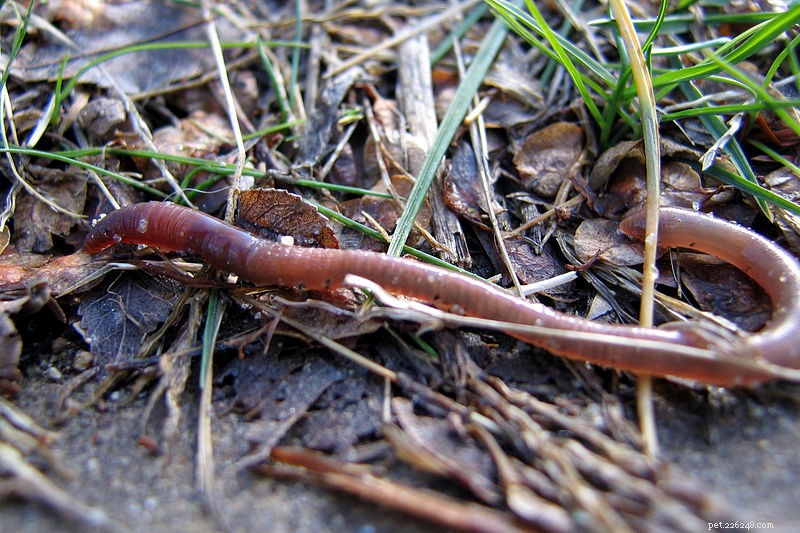
Crickets, roaches, sow bugs and earthworms readily consume fruits, vegetables, commercial gut-loading products and tropical fish flakes (please see articles below).
Rather than rely on a single commercial product or fruit, use a great variety…this is especially important in situations where crickets or earthworms will form the bulk of an animal’s diet, or when rearing larvae and young amphibians.
Fish
Minnows, shiners, guppies and other fishes, while a good source of calcium and other nutrients “as is”, should be pre-fed in the case of specialists such as Surinam Toads, Mudpuppies and Mata-Mata Turtles, which accept little else (Note: earthworms are often taken by fish-eaters). Feed your fishes with several of the hundreds of available high-quality fish foods, along with brine shrimps, blackworms and crickets.
Minnows and shiners should be housed in filtered aquariums, preferably located in a cool location. Guppies, mollies and other tropical fishes fare best at 75 F or so. Goldfishes may be offered on an occasional basis, but have caused health problems in several herp species when used as a mainstay.
 Where legal, consider collecting small native fishes, which will provide nutrients hard to obtain elsewhere. Clip the sharp dorsal spines of sunfishes and similar species, and avoid using catfishes – even tiny ones have several sharp, venom-bearing spines.
Blackworms
Blackworms are often the only suitably-sized live food available to those rearing Dwarf Underwater Frogs and salamander larvae. Blackworms will consume a surprising array of foods, including dead fishes, fish food flakes and shrimp pellets, and are best housed in cool, filtered aquariums.
Brine shrimp alone are not an appropriate diet for tiny aquatic amphibians, but fine to offer on occassion; they may be enriched via feedings of Spirulina Discs and commercial gut-loading products.
- Understanding and Managing Gas Bubble Disease in Aquatic Amphibians
- Optimal Frog and Toad Diets: Nutritious Foods for Common Amphibian Pets – Part 1
- Essential Vitamin & Mineral Support for Aquatic Frogs, Turtles, and Newts – Part 1
- Driftwood: A Natural Resting & Basking Solution for Aquatic Reptiles & Amphibians – Part 1
- Driftwood Submerged Platforms for Aquatic Reptiles & Amphibians – Expert Guide Part 2
- Designing Effective Sub‑Surface Basking Sites for Semi‑Aquatic Turtles, Newts & Frogs
- Swollen Eyes in Red‑Eared Sliders and Other Aquatic Turtles: Causes, Symptoms, and Prevention