

Reptile Hobbyists: Champions of Conservation or Contributors to Declines?
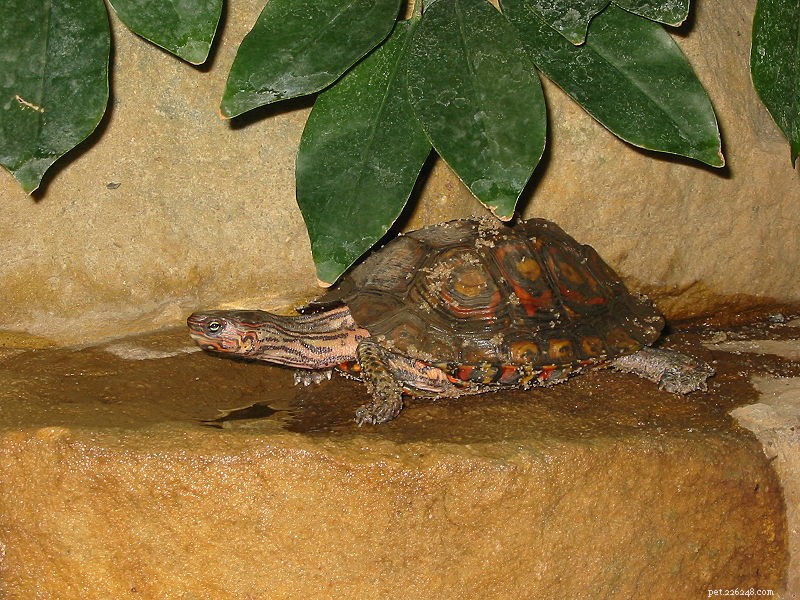 While over-collection and poorly-prepared pet keepers have certainly led to declines in wild populations of some species, private hobbyists have also contributed immensely to the conservation of amphibians, invertebrates and reptiles (as well as fishes, birds and mammals). This is especially true of those animals which zoos lack the interest or space to maintain…often the very creatures most favored by private keepers.
The Asian Turtle Crisis
A lack of funds and space in zoos led the establishment of the Turtle Survival Alliance, the largest turtle rescue effort ever launched. The Alliance was organized in response to unprecedented declines in freshwater turtle populations throughout Asia – a phenomenon that has come to be known as the Asian Turtle Crisis.
Soon after the group was formed, I traveled to Floridain the company of private and professional turtle enthusiasts to help rehabilitate and house nearly 10,000 turtles confiscated in China; many of the private sector people I met there now participate in rehabilitation and breeding initiatives in cooperation with zoos and museums.
Invertebrate Conservation
We know very little about the husbandry of most invertebrates, but when properly cared-for many species exhibit their full range of behaviors in small enclosures. Lessons learned by hobbyists while keeping over 300 species of insects, spiders and scorpions have been applied to conservation programs for the Karner Blue Butterfly, Red-kneed Tarantula and scores of other endangered animals. Similar scenarios apply to hundreds of reptile, amphibian, fish, bird and coral species.
Hobbyists Who Led the Way
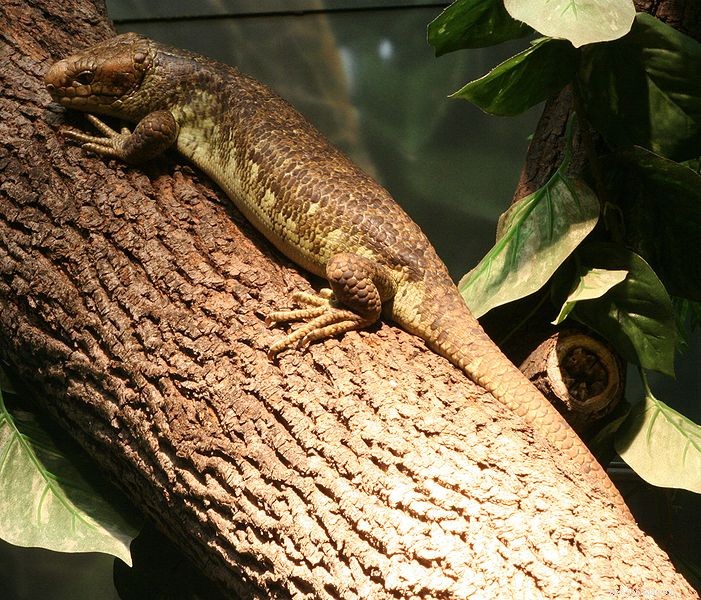 The endangered Solomon Island Prehensile-tailed Skink did not achieve popularity in zoos when first imported into the USA. Pet-keepers learned to breed it in captivity, and have built up huge populations. Today it faces almost certain extinction in the wild, but is secure in zoos and private collections.
I learned a great deal from several “unsung heroes” whom I met as a boy and in my early years as a zookeeper. Some of these dedicated people were breeding generation after generation of Poison Frogs, Banded Tree Snails, rare tarantulas and other creatures at a time when most zoos could barley keep them alive. I could go on for pages…
Of course, today it is trendy, or “PC”, for professionals to downplay or deny the role that pet-keeping played in their career development – but, I assure you, the real pros all started out as youngsters interested in keeping wild creatures.
What Can I Do?
Today there are many ways that interested people, whatever their level of training or experience, can participate in conservation programs. From Earthwatch trips to county-run surveys, the possibilities are endless and exciting. Please see the articles below, or write in, if you would like further information.
Joining a herpetological society is a fine way to become involved in local and, in some cases, international conservation programs. Please check out the website of the New York Turtle and Tortoise Society for an example of the fine work being done by some privately-organized groups. Just this week, the NYTT’s day-long annual seminar featured presentations by several leading turtle biologists, including the legendary Peter Pritchard.
- Are Wild-Caught Invertebrates Safe for Reptiles & Amphibians? Key Concerns Explained
- Diamondback Terrapin Care: Conservation, Habitat, and Home Guidelines
- Optimal Shelter Placement for Reptiles & Amphibians: A Practical Guide
- Groundbreaking Field Research Uncovers Novel Feeding Patterns in Reptiles and Amphibians
- Undergravel Filters: A Proven Solution for Reptile and Amphibian Aquariums & Terrariums
- Seeking Endangered Species Protection for 53 U.S. Reptiles and Amphibians
- USA Reptile & Amphibian Conservation 2012: Threats, Lawsuits, and Hope