

Wikiri’s Innovative Approach: Harnessing Pet Trade and Zoo Partnerships for Frog Conservation
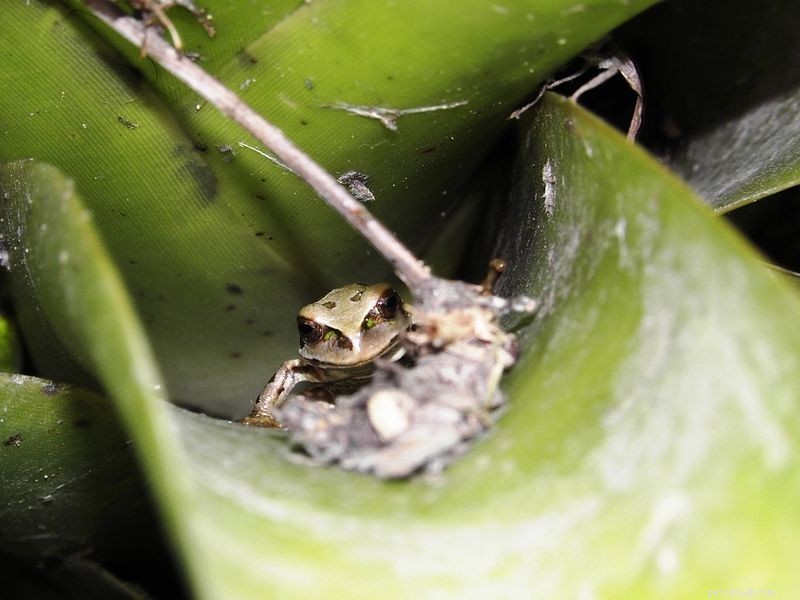 Decades of work in zoos and the pet trade has, I believe, given me a unique perspective on the contributions that each can make to amphibian conservation. Over the years, I have been greatly influenced by the work of private keepers who, in some cases, bred rare species long before zoos. Indeed, numerous husbandry techniques used in zoos originated in the private sector. In general, however, the pet trade focuses on pets and conservationists focus on conservation. But Wikiri, an enterprise formed to support amphibian conservation and research, combines the best of both worlds by using captive-bred frogs to promote its goals. In doing so, Wikiri has broken new ground in addressing the amphibian extinction crisis.
Amphibian Declines
The threat currently facing amphibians are unprecedented. At least 200 species have become extinct in recent years, prompting some to compare this “Sixth Extinction Crisis” to the disappearance of the dinosaurs.
Although dedicated biologists continue to battle the spread of Chytrid epidemics and other dangers, traditional conservation measures are not up to the task at hand. Imaginative new approaches, such as the recent cooperative agreements between some zoos and private animal owners (please see article below) are essential.
Breeding Frogs to Fund Conservation
Wikiri is a private company based in Ecuador, a frog diversity hotspot where hundreds of species are at risk of extinction. Its strategy represents, in many ways, a radical departure from traditional thinking on the topic. Wikiri devotes profits from the sale of captive-reared frogs, husbandry products and educational materials to amphibian research and conservation.
Amphibian biologists based at the Centro Jambata for Amphibian Research and Conservation assist the organization in both captive care and field research. As a result, Wikiri’s efforts incorporate the latest information available, and are conducted in accordance with local and international laws. The endorsement of Amphibian Ark a major US conservation organization, bears witness to the quality of Wikiri’s work.
Husbandry Advances and Captive-Bred Frogs
Wikiri has made significant advances in the breeding of endangered frogs, the maintenance of Chytrid-free environments and the formulation of healthful diets. Especially impressive is the focus on eliminating metabolic bone disease in captive amphibians.
Some very interesting species are bred in an environmentally friendly manner and offered for sale. Included among these are the Little Devil Frog, Dendrobates (Oophaga) sylvaticus, the Pacific Horned Frog, Ceratophrys stoltmanni, and the Andean Marsupial Frog, Gastrotheca riobambae.
Other species destined for re-introduction programs are also being produced at Wikiri. Indoor facilities are used, but I’m especially interested in the organization’s reliance upon “enriched natural habitats” as frog-rearing sites. Complete details have yet to be published, but it seems that frogs are being raised outdoors, on tracts of previously degraded land. Improving the habitat for frogs and their prey shows great promise.
Field Research and Conservation
Wikiri is actively working at several sites in Ecuador, and supporting the work of biologists in others. Chief among these is the Otokiki Tropical Rainforest Reserve, north of the capital city of Quito. Lumbering, agriculture and gold mining have greatly affected surrounding areas, and researchers are at risk from foreign paramilitary forces and drug traffickers. Never-the-less, new strides in amphibian research and conservation are being taken, funded in part by the sale of captive-bred frogs.
Several at-risk frog species are being actively managed to a degree rarely seen in field situations. Included among these are the Gliding Leaf Frog, Agalychnis spurrelli, the Splendid Treefrog, Cruziohyla calcarifer (an astonishingly-beautiful frog), the Imbabura Treefrog, Hypsiboas picturatus and Little Devil Frog, Dendrobates (Oophaga) sylvaticus. Genetic monitoring techniques are being developed.
Towards a Pet Trade-Conservation Coalition
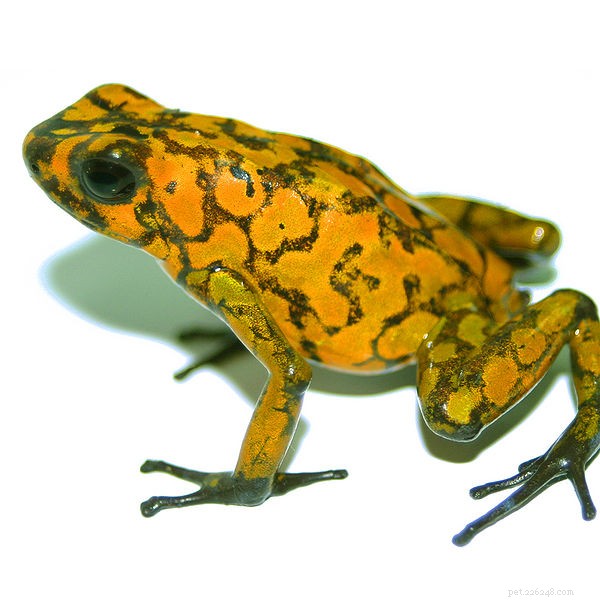 My involvement in conservation projects that have included both private keepers and professional herpetologists has convinced me that the future of many species lies in cooperative ventures. Zoos do not have the space and funds to do all that is required; please see Herp Hobbyists: Hindering or Helping Conservation? for some examples. Please write in with your own ideas and experiences…many species face a bleak future, and time is short!
Frogs produced by Wikiri will, initially, likely be more expensive than those from other sources. However, profits will be plowed back into conservation and also into research that will benefit pet keepers (i.e. the development of techniques to address Chytrid and MBD). In addition, the high death rates and other problems associated with legal and illegal collection will be eliminated. Please support the work of this and similar organizations.
- Innovative Pet Adoption Event Ideas That Drive Faster Adoptions
- Pet Industry Tackles Amphibian Decline Amid Rising Trade Restrictions
- Reptile Hobbyists: Champions of Conservation or Contributors to Declines?
- Neon‑Dyed Frogs: The Rising Abuse in Chinese Pet Stores
- Cold Therapy Revives Severely Ill Amphibians: Bronx Zoo Observations
- Seeking Endangered Species Protection for 53 U.S. Reptiles and Amphibians
- The 20 Best Pet Frogs for Beginners: Low-Maintenance, Easy Care