

Reptiles Unveiled: Four Orders, One New Zealand‑Only Species
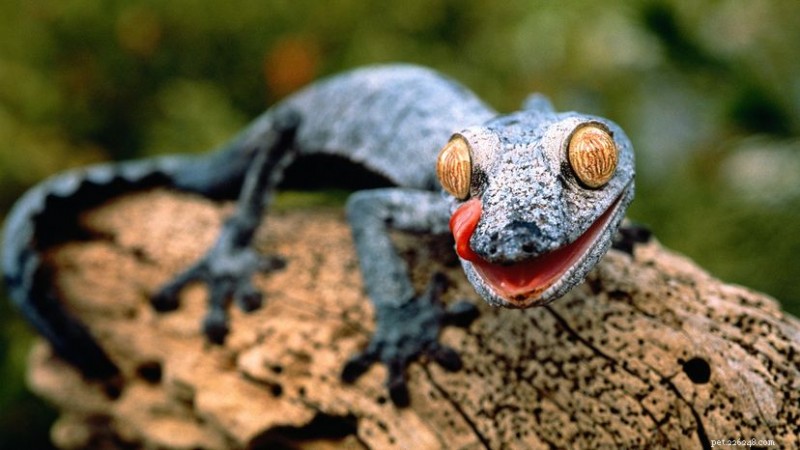
Geckos are typically harmless, yet the reptile world spans venomous lizards, fierce constrictors, and the legendary Komodo dragon. With over 300 million years of evolution, reptiles have adapted to every corner of our planet—from scorching deserts to lush rainforests and even the open ocean.
Key Traits Shared by All Reptiles
- Cold‑blooded metabolism – Most reptiles rely on external heat sources to regulate body temperature, basking in the sun or seeking shade to stay comfortable.
- Reproductive diversity – While the majority lay leathery or hard‑shelled eggs, a few species give birth to live young.
- Protective scales – Their tough, overlapping scales reduce water loss and provide defense against predators.
The Four Major Reptile Orders
- Crocodylia – Includes saltwater crocodiles, alligators, and caimans, renowned for their powerful jaws and ambush tactics.
- Rhynchocephalia – Home to the tuatara, a living fossil found only in New Zealand that shares a close lineage with lizards.
- Squamata – Encompasses the vast majority of lizards and all snakes, from tiny geckos to colossal Komodo dragons.
- Testudines – Spanning sea turtles, land tortoises, and the iconic leatherback, this group is distinguished by its hard shell.
Where Reptiles Call Home
Reptiles thrive in a wide array of habitats. Desert dwellers like the Gila monster use their scales to conserve moisture, while rainforest species such as the crested gecko prefer humidity. Aquatic reptiles—including the leatherback sea turtle—travel vast ocean distances, whereas crocodiles dominate freshwater swamps. Some species, like certain turtles, hibernate during cold months, showcasing the adaptability of these cold‑blooded creatures.
Reptiles as Pets: What to Consider
Leopard geckos are popular beginner pets due to their manageable size and docile nature. Aquatic turtles and tortoises can also make good companions, but they require larger enclosures and specialized care. Always research a species before bringing it home; large monitors, for example, demand extensive space and expertise. Avoid wild‑caught reptiles to protect wild populations.
Venomous Reptiles and Their Ecological Role
While the Gila monster and Mexican beaded lizard deliver painful but rarely lethal bites, venomous snakes—such as pit vipers, cobras, and rattlesnakes—play a critical role in controlling pest populations. Their venom helps subdue prey and defend against predators, maintaining ecological balance.
Conservation Challenges Facing Reptiles
Habitat loss, climate change, and illegal wildlife trade threaten many species. The leatherback sea turtle is critically endangered due to fishing nets and pollution, while the saltwater crocodile has faced hunting pressure for its skin. Protecting nests, reducing pollution, and preserving natural habitats are essential to ensure the survival of these remarkable creatures.
This article was crafted with AI assistance and subsequently fact‑checked and edited by a HowStuffWorks editor to ensure accuracy and reliability.
- Dog Parvovirus: Early Signs, Detection, and Prevention
- Unlocking the Health Power of Antioxidant‑Rich Pet Food Ingredients
- Keep Pets Off Furniture: Safe, Proven Techniques
- Preventing Dog Bloat: 5 Proven Strategies to Keep Your Pet Safe
- British Longhair: A Luxurious Blend of British Shorthair and Persian Cats
- Best Holiday Gift Ideas for Pets: Thoughtful, Fun, and Budget-Friendly
- Border Collie Puppies: Complete Guide to Health, Lifespan, and Care