

8 North American Frog and Toad Species You’ll Encounter
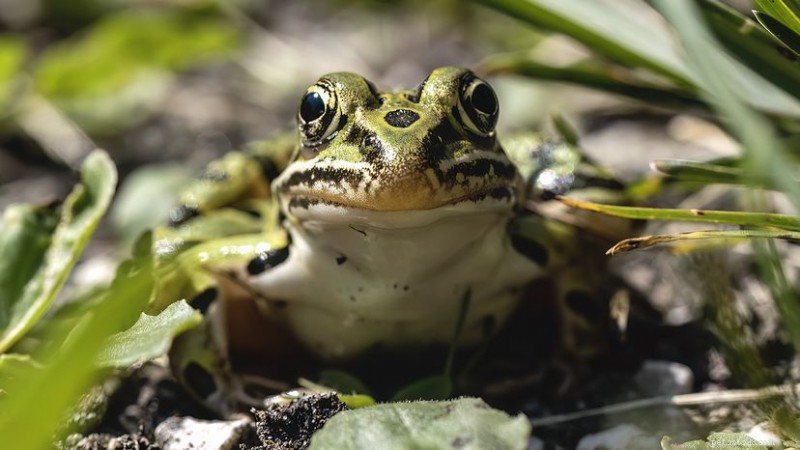
Frogs have hopped across the planet since the Early Triassic, making them one of the oldest living amphibian lineages. With over 7,000 species worldwide, they thrive in almost every habitat—from rainforest canopies to forest floor ponds.
Below are eight of the most recognizable frogs and toads you can find in North America, along with key facts that make each species distinct.
1. Northern Green Frog (Lithobates clamitans)

Ubiquitous across the eastern United States, the Northern Green Frog sports a green or bronze body and a resonant, banjo‑like call. Adult frogs feature webbed feet, a pointed snout, and powerful hind legs for efficient swimming. They favor moist soil adjacent to ponds, swamps, or ditches.
2. Northern Leopard Frog (Lithobates pipiens)

Also called the meadow frog, this species is named for its dark spots on a lighter backdrop. It thrives near grassy edges of water bodies and, during breeding season, males attract mates with a distinctive chuckling call. Eggs hatch in shallow water, and tadpoles develop rapidly to evade predators such as birds and fish.
3. American Toad (Anaxyrus americanus)

With warty skin, a short body, and a loud, sustained trill, the American Toad is a familiar terrestrial amphibian. Females lay long strings of eggs in shallow water. Unlike many frogs, this species often seeks refuge under logs or loose soil, and it is a member of the true toads group.
4. Western Chorus Frog (Pseudacris triseriata)

One of North America’s most recognizable frogs, the Western Chorus Frog emits a series of short, raspy clicks during mating season. Small and elusive, they thrive in wetlands and flooded fields, and their calls are often the first audible sign of spring.
5. Pickerel Frog (Lithobates palustris)

Distinguished by rectangular dark spots on a tan background, the Pickerel Frog secretes a mild toxin that can irritate predators—including humans. Native to the eastern United States, it prefers cold, clear waters and is one of the few native species with chemical defenses.
6. Wood Frog (Lithobates sylvaticus)

This hardy amphibian can survive freezing temperatures by shutting down its metabolism during winter. With a dark mask across its eyes and a preference for forest‑floor breeding pools, the Wood Frog is found throughout northern forests of the U.S. and Canada. It is renowned for its explosive breeding events that follow snowmelt.
7. Fowler’s Toad (Anaxyrus fowleri)

Closely related to the American Toad, Fowler’s Toad shares a warty appearance but can be identified by its shorter trill. It typically inhabits sandy or loose soil near wooded areas and is known to hybridize with other toad species.
8. Great Plains Toad (Anaxyrus cognatus)

Short‑bodied and with a booming call, the Great Plains Toad thrives in dry habitats such as prairies and deserts. Its evolutionary history includes adaptations for surviving drought through underground burrowing. This species exemplifies the resilience of North American amphibians.
We created this article with AI technology and subsequently fact‑checked and edited it by a HowStuffWorks editor to ensure accuracy and reliability.
- Understanding and Managing Rage Syndrome in Dogs: A Guide for Owners
- Why Dogs Take So Long to Poop: Understanding the Causes & Solutions
- Can Dogs Live With Epilepsy? Expert Guide to Care and Management
- Understanding Dog Groaning: Causes, Health Implications, and When to Seek Veterinary Care
- 4 Key Signs Your Dog May Have an Ear Infection
- Mastering Bird Speech: A Proven Guide to Teaching Your Avian Friend to Talk
- Top Dog Breeds Prone to Anxiety: What to Know and How to Help