

Red‑Eyed Tree Frog: Sensitivity, Habitat, and Care Guide
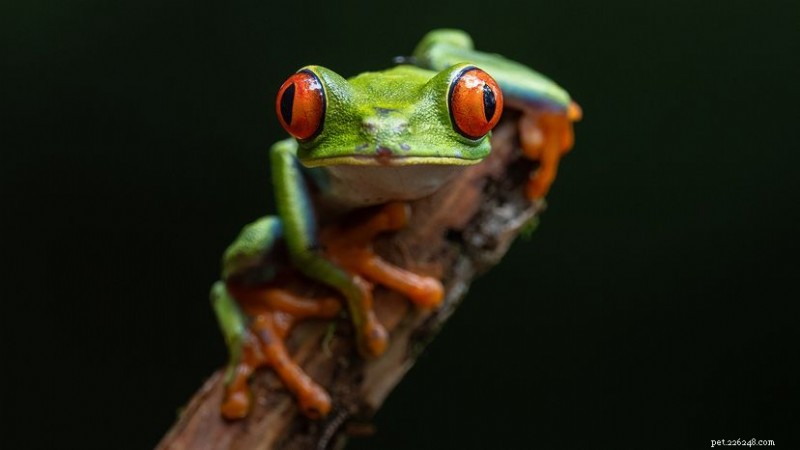
The red‑eyed tree frog (Agalychnis callidryas) is a striking icon of tropical rainforests. With its vivid green body, bright‑red eyes, and distinctive blue‑yellow flank stripes, it captivates observers while serving critical survival functions.
Key Features That Set It Apart
Adults grow to about 5–7 cm (2–3 in) in total length. Their coloration—bright green dorsum, light‑blue flanks streaked with yellow, orange toes—acts as a rapid startle display that can deter predators for a few seconds. Although harmless, their skin is highly permeable, absorbing moisture and chemicals directly, which makes them especially vulnerable to environmental pollutants.
Natural Habitat
These frogs are distributed across southern Mexico, throughout Central America, and into northern South America. They reside high in the canopy of tropical rainforests, typically within a few meters of permanent ponds or other standing water. Dense foliage, bromeliads, and tree hollows provide shelter and breeding sites.
During the rainy season, males call loudly from perches near water bodies to attract mates and defend small territories—a reminder that even amphibians engage in territorial competition.
Reproduction and Development
Breeding coincides with the onset of rains. Males vocalize, competing for female attention. Eggs are deposited on leaves that hang over water. If threatened, embryos can hatch prematurely, dropping directly into the pond. Tadpoles then develop rapidly, transforming into froglets within weeks, a strategy that increases survival in variable environments.
Dietary Needs
In the wild, they consume live insects—flies, crickets, moths—and small invertebrates. Juveniles often feed on fruit flies and pinhead crickets. In captivity, it is essential to provide gut‑loaded feeder insects to prevent metabolic bone disease and other health issues.
Captive Care Guidelines
To keep a small group of red‑eyed tree frogs healthy, replicate their natural environment: high humidity (85–95 %), stable nighttime temperatures (70–75 °F), and plenty of live insects. Offer vertical climbing structures, hiding spots, and a shallow water source for bathing. Handle them sparingly; their skin is highly sensitive. Never house them with species that could compete for resources or introduce disease.
We created this article in conjunction with AI technology, then ensured it was fact‑checked and edited by a HowStuffWorks editor.
- 11 Dogs Loving Summer: Adorable Moments That Will Melt Your Heart
- What Foods Do Dogs Prefer? A Guide to Their Tasty Choices
- Top 8 Yellow Parrots to Brighten Your Home
- 7 Proven Ways to Show Your Cat Love and Strengthen Your Bond
- Pet Food Manufacturing: Comparing USA, Canada, Europe, and China Regulations
- Veterinary Insight: Why Cats Are Most Active at Night
- At What Age Do Dogs Become Seniors? Expert Guide for Aging Pets