

Amphibian Decline: Pollution Amplifies Disease and Parasite Threats
 In 1990, the IUCN’s Declining Amphibian Populations Task Force, to which I belonged, was one of the few large scale efforts addressing what is now known as the “Disappearing Amphibian Crisis”. Today, with legions of biologists and hobbyists at work on the problem, we still do not fully understand why nearly 200 species have become extinct in the last 20 years – a rate 200x that of what might be “expected”. But we do have some insights, one of which was highlighted in a recent journal article (Philosophical Transactions of the Royal Society (Biology) . It appears that stress, much of which is in response to what we are doing to amphibian habitats, is worsening the effects of normal pathogens and diseases.
Parasites and Insecticides: a Confusing Scenario
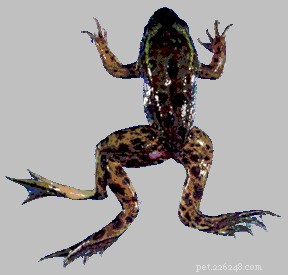
As the reality of worldwide amphibian declines became apparent, herpetologists and private citizens began noticing increasing numbers of deformed and dead frogs. In 1995, school children in Minnesota made headlines when they found dozens of deformed frogs in a local pond. Since several chemicals are known to cause growth abnormalities, researchers began focusing on pollutants. At the Bronx Zoo, I worked with a veterinarian who studied African Clawed Frogs, and was amazed to see ovaries develop in males that had been exposed to Atrazine (a common insecticide).
But pollutants turned out not to be the whole story…a parasite also played a role. The creature involved needs to infect both a frog and a wading bird in order to complete its life cycle. Amazingly, it lives within a tadpole for a time and “re-programs” the development of the hind legs as metamorphosis occurs. The newly-transformed frog develops extra rear legs and, unable to jump very well, is likely to be caught by a heron – just as the parasite “intended”!
Actually, many parasites cause incredible changes in their hosts’ behaviors – one “directs” an ant to climb into the canopy and raise its now red-colored abdomen skyward in imitation of a tasty berry (so that it is eaten by the next essential host, a bird), another causes the host spider to build a silken shelter before dying, so that the parasite has a safe place in which to emerge, and so on…
Are Pathogens Changing?
Amphibians evolved some 300-400 million years ago, long before the dinosaurs, and they’ve likely been battling parasites similar to those described above for much of that time. The same can be said of other fungi, bacteria and viruses that attack them.
Yet it seems that certain pathogens and diseases, despite being around for centuries, are now causing unprecedented amphibian population declines and extinctions. For example, Chytrid fungus, first identified as a serious threat in 1999, may be responsible for the disappearance of nearly 200 species. Although termed an “emerging disease”, it was likely present all along, but is now spreading more rapidly, and having a more devastating effect on its victims. This trend is seen among frogs worldwide (salamanders and caecilians are not as well-studied) – many pathogens are more common now than in years past, are spreading to new habitats, and are causing unusually high mortality rates.
The Role of Stress
According to the article referenced above, multiple stresses may be weakening amphibian immune systems, rendering them unable to battle common illnesses. We see this in captivity all the time – animals that are assailed by inappropriate temperatures, hostile tank-mates or poor diets often fall victim to parasites and diseases that would have been handled by the immune system had conditions been ideal.
One stress factor can depress the immune system (in zoos, birds moved to a new exhibit often succumb to Aspergillosus infections, an ever-present fungus that typically causes no problems). Currently, many amphibians are exposed to pollution, climate change, introduced species, habitat fragmentation and other stressors simultaneously. Small wonder that at least 2,500 species are believed to be in decline.
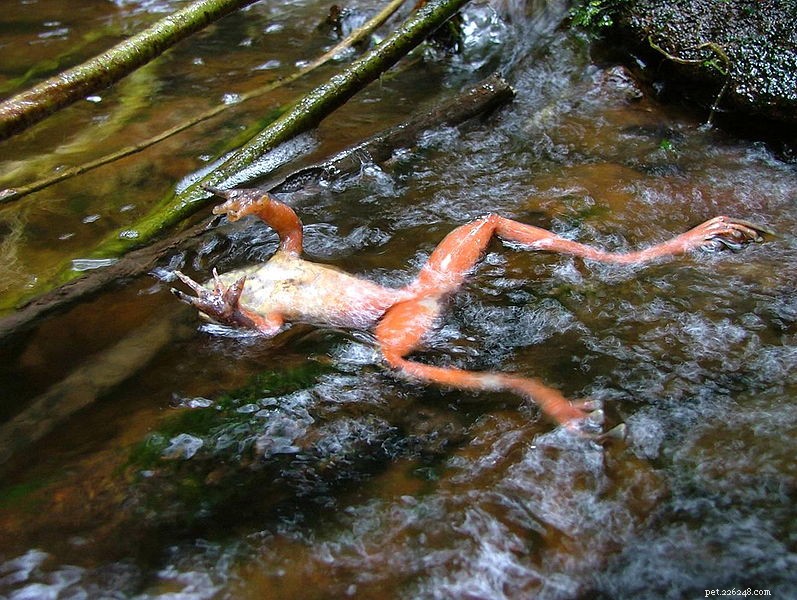 Permeable skins that allow for the passage of harmful chemicals, and the typical need for two distinct habitats, predispose amphibians to difficulties when environmental changes occur. However, there is evidence that similar processes are at work among other groups as well (please see this article on snake declines).
What’s Next…What Can I Do?
Please be on the alert for deformed amphibians and signs of population declines, and post your observations here. I can help you to get the information to organizations that can put it to good use. Also, a colleague of mine is now involved in Amphibian Ark, a fine conservation group which can provide guidance if need be.
Please see the articles linked below for information on IUCN surveys and other efforts that utilize volunteers.
- Protect Your Dog from Lyme Disease: Prevention Tips and Tick Management
- Understanding Chagas Disease: Protecting Your Dog and Family
- Air Pollution & Your Pets: Protecting Their Health
- Understanding Kidney Disease in Dogs: Symptoms, Diagnosis, and Treatment
- Understanding and Managing Gas Bubble Disease in Aquatic Amphibians
- Optimal Shelter Placement for Reptiles & Amphibians: A Practical Guide
- 2010 Amphibian Breakthroughs: New Species, Revived Extinct Finds & Insightful Discoveries – Part 1