

Pixie Frog (African Giant Bullfrog): Size, Behavior, and Care Guide
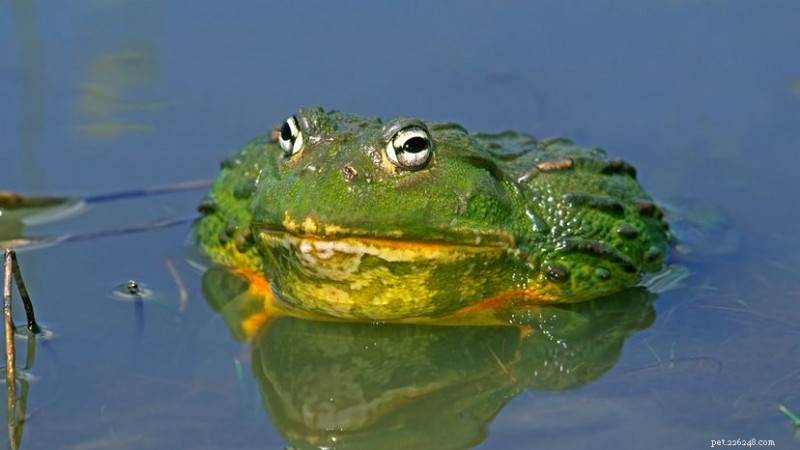
The Pixie frog, scientifically named Pyxicephalus adspersus and commonly referred to as the African Giant Bullfrog, is one of the world’s largest amphibians. Despite its formidable size, it plays a crucial ecological role in sub‑Saharan Africa by regulating insect and small vertebrate populations.
Sexual Dimorphism: Male Might vs. Female Flight
Male bullfrogs typically reach up to 25 cm (10 in) and weigh over 1.4 kg (4 lb), while females are roughly half that size. Males possess powerful lower jaws and a vibrant yellow or orange throat. During breeding season they emit a low‑pitched whoop to attract mates and assert dominance.
Feast Mode: Opportunistic Predators
These frogs have an expansive diet that includes insects, small fish, tadpoles, amphibians, birds, mammals, reptiles, and even conspecifics. Their hunting strategy involves lying in wait beneath vegetation or substrate, striking with a wide mouth when prey approaches.
- Invertebrates and insects
- Small fish, frogs, and tadpoles
- Birds, mice, lizards, and reptiles
- Occasional cannibalism of other bullfrogs
In captivity, careful feeding schedules are essential; overfeeding can lead to excessive waste and health complications.
Breeding Dynamics: A Battle and a Race
Spawning begins with rising temperatures and humidity. Males congregate in shallow water, calling to attract females. Females can lay up to 4,000 eggs in a single clutch. Eggs hatch in about two days, and tadpoles metamorphose into juveniles within two to three weeks, depending on nutrition and moisture. Males dig channels to keep eggs submerged and may consume some tadpoles while guarding the brood.
Underground Survival
During prolonged dry periods, bullfrogs burrow and create a protective cocoon from shed skin. This cocoon slows dehydration, allowing them to absorb oxygen and moisture through the skin. When humidity rises, they surface to feed, breed, and occasionally engage in territorial disputes.
Keeping Pixie Frogs as Pets
Due to their size and rugged nature, African Giant Bullfrogs can make intriguing, though demanding, pets. Essential care components include:
- Large enclosure (minimum 100 L) with substrate such as coconut fiber or loamy soil
- Temperature 24–29 °C (75–85 °F) and humidity 70–80 %
- Shallow water pool or soaking dish
- Solitary housing—never keep with other bullfrogs, females, or juveniles
Juveniles require daily feeding; adults are fed two to three times weekly. Enclosure hygiene is critical due to substantial waste output.
6 Bonus Facts
- The term “pixie” derives from a misinterpretation of the genus name Pyxicephalus, not from the frog’s size.
- Despite the common name, the African Giant Bullfrog is taxonomically distinct from the American Bullfrog.
- They produce a large amount of waste relative to body size.
- They can remain underground for months before emerging to spawn.
- Their vocalizations can be heard across an entire pond.
- With optimal care, captive bullfrogs can live over 20 years.
Whether you observe these amphibians in their natural habitat or maintain one in a controlled environment, the Pixie frog remains a testament to evolutionary adaptation—large, resilient, and formidable.
- Old English Sheepdogs: Key Health Concerns and How to Protect Your Companion
- Holiday Pet Care: Tips for a Stress‑Free Celebration
- Expert ACL Surgery Options for Dogs: Cost, Procedure & Care
- Pet Blood Bank: How Life‑Saving Transfusions Protect Your Dog or Cat
- How to Keep Your Pets Safe While Using Household Cleaning Products
- Berger Picard Dog Breed Guide: History, Traits & Care
- Do Dogs Truly Fake Injuries? Insights Into Their Clever Tactics