

Nile Crocodile: Africa’s Majestic Waterway Predator
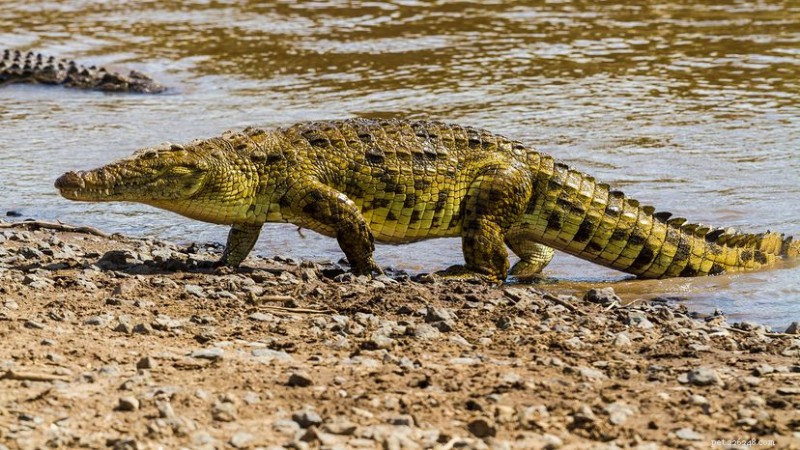
The Nile crocodile (Crocodylus niloticus) is one of the most iconic reptiles in Africa, renowned for its size, hunting prowess, and surprisingly complex social life. Found across Sub‑Saharan Africa in rivers, lakes, marshes and deltas, this apex predator plays a crucial role in maintaining the balance of freshwater ecosystems.
Physical Characteristics
Adult males typically reach 3.5 to 5 m (11 to 16 ft) in length and can weigh up to 750 kg (1,650 lb). Females are slightly smaller, yet still impressive. The species is only surpassed in size by the saltwater crocodile. Their muscular bodies are covered in tough, dark olive or grayish‑brown scales that provide both protection and camouflage in muddy waters. Powerful tails and webbed feet make them exceptional swimmers, while a bite force capable of crushing bone ensures prey rarely escape.
Subspecies Overview
While no subspecies have been formally recognized, distinct regional populations are commonly referred to by geographic names:
- South African Nile crocodile – primarily in South Africa’s Kruger National Park.
- East African Nile crocodile – widespread throughout East Africa.
- West African Nile crocodile – found across West Africa.
- Kenyan Nile crocodile – common in Kenya’s wetlands.
- Ethiopian Nile crocodile – frequent in the Rift Valley lakes.
- Madagascar Nile crocodile – located on the island of Madagascar.
Social Behavior
Unlike many reptiles, Nile crocodiles exhibit structured social hierarchies. Dominant males establish and defend territories along riverbanks, using hisses, bellows and tail slaps to communicate dominance. During nesting, females excavate sandy nests, lay 40–60 eggs, and vigilantly guard them for roughly three months. Maternal care is rare among reptiles; female Nile crocodiles fiercely defend their nests and hatchlings against predators such as monitor lizards and hyenas.
Life Cycle
After hatching, young crocodiles signal their mother to emerge from the shell; she gently carries them to the water for protection during their vulnerable early days. Yearlings grow rapidly, reaching several feet within a few years. By age 10, they become independent and males begin competing for dominance. Nile crocodiles can live 70 years or more, giving them a long-term influence on their habitats.
Diet
As apex predators, Nile crocodiles feed on a diverse range of prey. Hatchlings consume insects, small fish and crustaceans, while older juveniles progress to larger fish, birds, zebras, antelope and even buffalo. Their hunting strategy relies on ambush: they lurk near water’s edge, launching a rapid strike when prey approaches. Their powerful jaws can crush bone, ensuring a secure meal.
Habitat and Adaptability
These reptiles thrive in freshwater environments across Sub‑Saharan Africa. Their adaptability allows them to endure both rainy and dry seasons; when water levels fall, they burrow into riverbanks or mud to stay cool and hydrated until rains return. This flexibility has helped them persist for millions of years.
Conservation Status
Despite their resilience, Nile crocodiles face threats from habitat loss, poaching and human conflict. Wetland destruction and freshwater pollution contribute to population declines in some regions. Conservation efforts focus on protecting habitats, enforcing anti‑poaching laws, and educating communities about the ecological value of these predators. Programs across Africa aim to ensure that Nile crocodiles continue to flourish in their natural environments.
Fact‑checked and edited by a HowStuffWorks editor, this article combines AI research with expert oversight to deliver reliable, engaging information.
- Understanding Why Dachshunds Bite Their Nails: Causes & Solutions
- Havanese Dog Breed Guide: All You Need to Know About the Pint-Sized Companion
- The Gentle Cat That Wins Hearts: A Tale of Polite Behavior
- Double Aquarium Stands: Benefits, Drawbacks, and Choosing the Right Setup
- Sustainable Ways to Feed Your Dogs: Healthy Fish Treats & Alternatives
- Floor vs. Elevated Dog Bowls: Which Feeding Position Is Healthier?
- Tramadol in Dogs: Recognizing and Managing Aggressive Behavior Side Effects