

Coqui Frog: Puerto Rican Icon Turned Invasive Threat in Hawaii
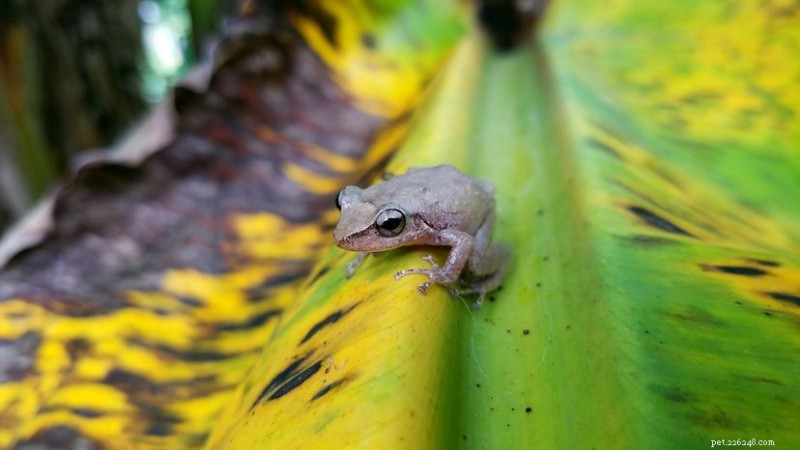
You'll hear these tiny frogs long before you see them.
What Is a Coqui Frog?
The Puerto Rican coqui (Eleutherodactylus coqui) is a small tree frog native to Puerto Rico. Unlike most amphibians, it bypasses the tadpole stage; eggs hatch directly into miniature adults. Adults typically measure 1–2 in. (3–5 cm) in length and possess toe pads that aid in climbing.
Coquis are nocturnal. Males produce a high‑pitched “ko‑kee” call each night to attract mates and deter rivals. These calls peak during the wet season and can be heard from sea level to mountain forests.
Coqui Populations Beyond Puerto Rico
While cherished in their homeland, coquis have become a problem in Hawaii. They were inadvertently introduced via potted plants, and without natural predators, they have proliferated rapidly.
In Hawaii, coquis consume large quantities of insects, competing with native spiders and birds. Their dense populations have also been linked to decreased property values, especially on Hawai‘i Island and Maui, where the relentless nighttime chorus can deter potential buyers.
Habitat and Behavior
Coquis thrive in moist, damp microhabitats such as leaf litter, forest floors, and beneath logs or rocks. Eggs are laid in concealed spots, and males guard the clutches until hatching.
Because they do not require open water to breed, coquis can colonize gardens, greenhouses, and other anthropogenic environments.
Controlling Coqui Infestations
In Hawaii, the Department of Agriculture recommends a citric‑acid spray solution as the only product approved for frog control. The solution is effective against both adult frogs and eggs when applied directly; the frogs’ permeable skin allows the acid to disrupt their physiology quickly.
For best results, thoroughly spray infested plants, ensuring the solution contacts every surface.
Ecological Pros and Cons
In Puerto Rico, coquis play a valuable role as insect predators, helping to regulate pest populations. In contrast, their high densities in Hawaii overwhelm native ecosystems, threatening vulnerable species.
Although some snakes and birds consume coquis, the frogs’ rapid reproduction and resilience make them a persistent challenge in non‑native habitats.
We produced this article with AI assistance and had it fact‑checked and edited by a HowStuffWorks editor.
- Top 3 Essential Cat Grooming Tools Every Owner Needs
- Can Dogs Coexist With Lizards? Tips for Harmonious Pet Homes
- Effective Strategies to Prevent Dog Chewing and Protect Your Home
- Dangerous Human Foods for Dogs: 10 Items to Keep Away
- Decoding Rabbit Honking: Signals of Excitement, Mating, and Attention
- Meet Luna: The Charming Ragdoll Cat of the Week
- Optimal Nutrition for Dogs with Diabetes: A Comprehensive Feeding Guide