

African Dwarf Frog Care Guide: Low‑Maintenance Aquatic Pets
African Dwarf Frog Care Guide: Low‑Maintenance Aquatic Pets
Ever seen a tiny amphibian that adds personality to your tank? The African dwarf frog (Hymenochirus boettgeri) is a beloved choice for pet owners who want a small, fully aquatic animal that requires minimal upkeep.
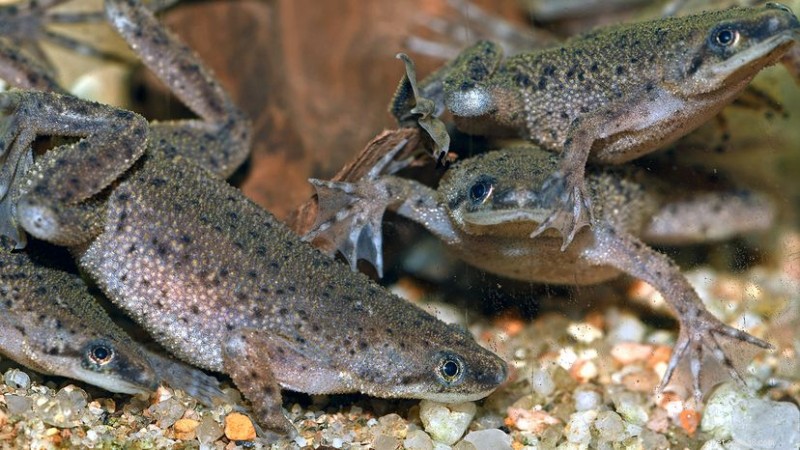
About the African Dwarf Frog
Native to the slow‑moving rivers and ponds of Central Africa, these frogs grow to about 2.5 inches (6 cm) and spend their entire lives underwater. Unlike the larger African clawed frog, they stay small, have webbed feet, a pointed snout, and a brown body speckled with black spots.
Key Behaviors and Sensory Needs
Although fully aquatic, they must surface to breathe air. They rely heavily on touch and smell, detecting vibrations in the water rather than sight. You’ll often find them floating with limbs outstretched near the surface while resting.
In the wild they inhabit shallow waters with gentle currents, so avoid overly strong filtration. A tank with gravel, rocks, and live plants provides hiding spots and enrichment.
What They Eat
African dwarf frogs are patient eaters, so feeding can be challenging in community tanks. Offer high‑quality foods such as frozen bloodworms, brine shrimp, or sinking frog pellets. They may nibble on leftover fish food, but they should not compete with faster fish.
Because they have limited vision, use feeding tongs or place food near them to ensure proper intake. A poor diet can lead to fungal infections and other health issues.
Tank Setup and Ideal Tank Mates
• Minimum tank size: 5 gallons (20 L)
• Water temperature: 22–26 °C (72–78 °F)
• Regular water quality checks to prevent disease
Compatible fish include guppies, tetras, and other non‑aggressive species. Avoid aggressive fish that may nip fins or outcompete for food. Other frogs can share a tank, but never mix with African clawed frogs, which are larger and may pose a threat.
Breeding and Lifespan
During breeding season, males emit a low humming to attract females. Females lay eggs that hatch into tadpoles; raising tadpoles requires separate tanks to protect them from adults.
Average lifespan: about 5 years, though with excellent care some can live longer. Monitor for changes in skin color or swimming behavior as early signs of illness.
We produced this article with AI assistance and then fact‑checked and edited by a HowStuffWorks editor.
- Unlock Your Inner Cat Whisperer: Mastering Feline Body Language
- Can Facial Hair Irritate a Dog’s Eyes? Understanding Sensory Comfort
- Burmese Cat Profile: History, Care, and Adoption Guide
- American Shorthair Cats: A Balanced, Loving Companion
- How to Introduce a New Guinea Pig: 4 Steps to a Successful Bond
- Homemade Dog Food Recipe for Joint & Hip Wellness
- Understanding and Managing Intestinal Obstruction in Dogs