

Horned Frog (Ceratophrys): The Ambush Predator That Swallows Snakes
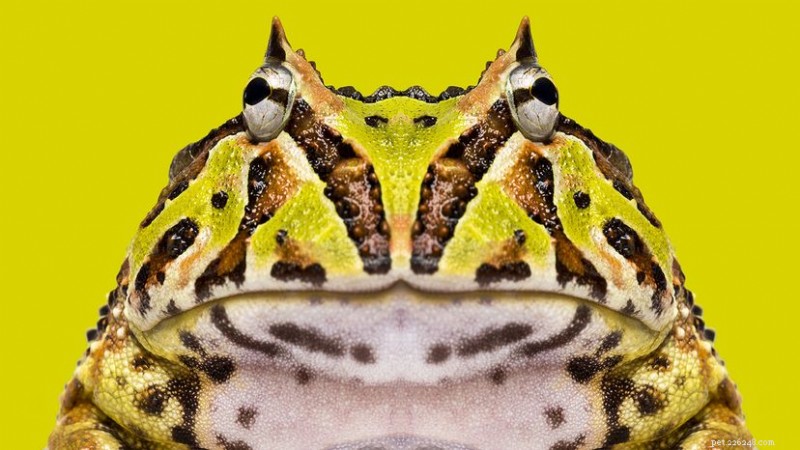
The horned frog, also known as the horned toad or ornate horned frog, is a member of the genus Ceratophrys, a group of South American amphibians prized for their impressive size and striking appearance.
With a robust, fat body, muted leaf‑green and brown coloration, and distinctive horn‑like folds above the eyes, this species is a master of camouflage. It spends most of its time motionless, waiting for prey to come within striking distance before launching a rapid, jaw‑wide bite that can engulf animals nearly as large as itself.
What Is a Horned Frog?
Among the many species in the Ceratophrys genus, the Argentine horned frog (*Ceratophrys ornata*) is the most widely known. Individuals can grow up to 16 cm (6.5 in) long and weigh over 0.5 kg (1.1 lb), making them the largest frog species commonly kept in captivity.
The “horns” are actually fleshy skin folds that sit just above the eyes. They help the frog blend into leaf litter and, during dry periods, allow it to bury itself in sand or soil to conserve moisture.
Feeding and Hunting Style
Horned frogs are opportunistic predators. In the wild, their diet includes insects, other frogs, rodents, lizards, and even snakes. Their exceptionally wide gape lets them swallow prey that is nearly as large as they are. In captivity, a balanced diet of crickets, mice, and commercial amphibian food is recommended.
Unlike many other frogs, horned frogs do not chase their meals. Instead, they rely on stillness and excellent camouflage. When prey comes within range, the frog launches a lightning‑fast attack, using its powerful jaws and tiny, sharp teeth to secure a swift kill.
Horned Frog Life Cycle
Reproduction begins with eggs deposited in standing water. After hatching, the tadpoles grow rapidly, metamorphosing into adults within a few weeks. Sexual dimorphism is evident: males tend to be smaller and vocal, while females grow larger and generally live longer.
With proper care—adequate humidity, regular feeding, and careful monitoring—a well‑maintained horned frog can live up to ten years in captivity. Although they are not highly active pets, their bold appearance and dramatic feeding behavior make them popular among amphibian enthusiasts.
4 Horned Frog Fun Facts
- The nickname “Pacman frog” comes from its large, round mouth and voracious appetite, reminiscent of the classic video‑game character.
- Some Ceratophrys species possess bite forces strong enough to draw blood.
- Their skin tone can subtly shift with changes in mood or environment, aiding in further camouflage.
- Writer Philippe de Vosjoli popularized the horned frog through his influential care guides on amphibians and reptiles.
This article was created with the assistance of AI technology and subsequently reviewed and edited by a HowStuffWorks editor to ensure accuracy.
- 14 Indigenous Dog Breeds Native to India
- Effective Kitten Socialization: Boost Confidence & Lifelong Happiness
- 128 Charming Cat Names for Your Female Feline
- Accurate Diagnosis of Canine Addison’s Disease: A Trusted Guide
- Meyer's Parrot: Care, Temperament, & Health Guide for Apartment Birds
- Why Dogs Beg and How to Stop the Habit
- 5 Proven Ways to Keep Your Dog’s Brain Sharp and Healthy