

Tree Frogs: Master Climbers, Communicators, and Skin‑Breathers
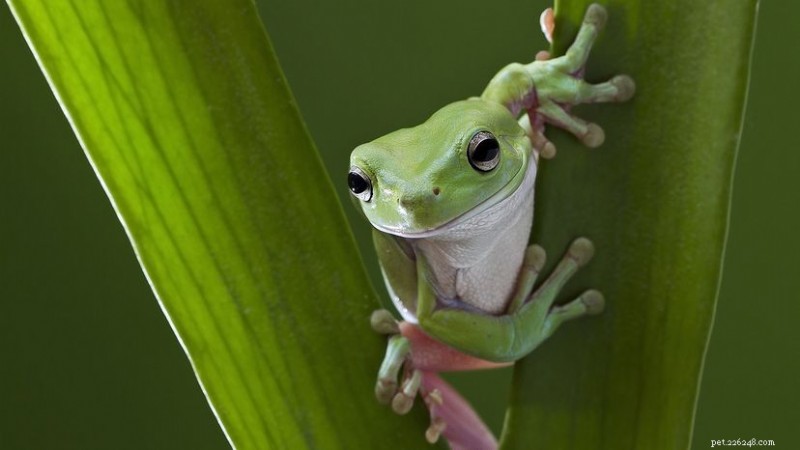
Tree frogs are small, agile amphibians renowned for their exceptional climbing ability and distinctive nighttime vocalizations. Found throughout the warm, humid regions of the central and southeastern United States, they thrive in any habitat that offers a nearby water source.
What Makes Tree Frogs Unique?
Their most striking feature is the specialized toe pads. Each toe terminates in a disk‑shaped pad filled with mucus‑secreting glands, allowing the frog to adhere to vertical surfaces such as trees, shrubs, and even glass. Some species also possess claw‑shaped bones at the tip of the forelimbs, further enhancing grip.
Green and Gray Tree Frogs
The green tree frog (Hyla cinerea) is common across the central‑southeastern United States and frequents ponds surrounded by lush vegetation. Males are typically smaller and use powerful advertisement calls during the breeding season to attract females.
The gray tree frog (Hyla versicolor) can change its skin color among gray, green, and brown to blend into its surroundings. Nocturnal and highly active at night, these frogs rely on their strong limbs to navigate arboreal environments and evade predators such as snakes, birds, and spiders.
Reproduction and Development
During mating season, male tree frogs call loudly to entice mates. Eggs are laid in shallow water; once hatched, tadpoles spend several weeks aquatic before developing lungs and shedding their tails. After metamorphosis, they become fully terrestrial, capable of climbing and breathing air.
Diet and Predators
Tree frogs are insectivores, feeding on moths, crickets, and other small arthropods. Their diminutive size requires constant vigilance; they rely on camouflage and swift reflexes to avoid predators. Skin coloration varies by species, ranging from bright green to gray or yellow.
Three Impressive Facts About Tree Frogs
- Tree frogs can breathe through both lungs and skin, allowing efficient oxygen uptake in moist environments.
- They can jump up to 20 times their body length, a remarkable feat of muscular power.
- Wild tree frogs typically live around five years, though some individuals may reach seven or eight.
Whether you hear their croaks echoing at night or spot their vivid green, blue, or gray forms clinging to a branch, tree frogs exemplify the remarkable adaptability of amphibians.
This article was co‑created with AI technology and subsequently fact‑checked and edited by a HowStuffWorks editorial team.
- 12 Common Garden Plants That Are Harmful to Dogs: Keep Your Pet Safe
- Safe Composting for Pet Owners: Expert Tips and Best Practices
- Do Kittens from the Same Litter Share the Same Father?
- 10 Cat Behaviors That Demand Immediate Vet Attention
- Top 9 Scents Cats Abhor: Protect Their Sensitive Noses
- How to Safely Handle Your Dog Eating Watermelon Rind
- USA’s 2012 ‘Year of the Lizard’: Advancing Conservation for North America’s Unique Species