

Pacman Frog Care 101: Habitat, Feeding, and Lifespan Explained
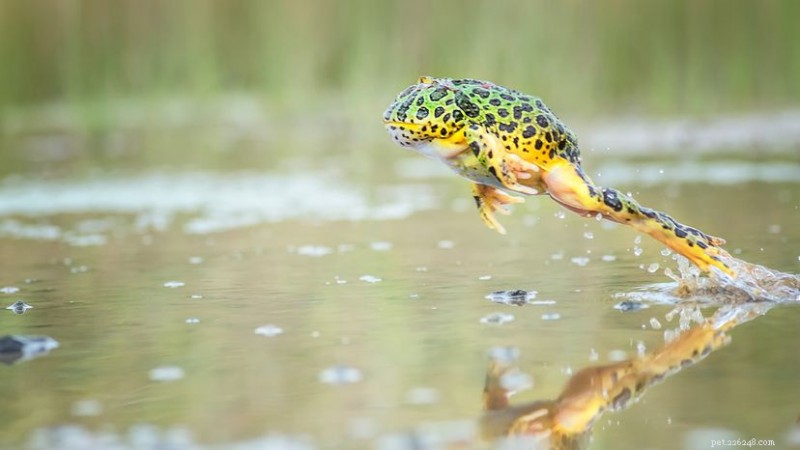
Believe it or not, this makes for a great pet. muhamad mizan bin ngateni / Shutterstock
The Pacman frog, also known as the South American horned frog, is one of the most popular amphibians in the pet world—and for good reason.
Native to South America, especially Brazil, Argentina, and Venezuela, these round‑bodied, big‑mouthed frogs are celebrated for their distinctive appearance and tranquil lifestyle.
What Is a Pacman Frog?
Named for their resemblance to the classic arcade character, Pacman frogs (genus Ceratophrys) feature an enormous, jaw‑like mouth that occupies most of the head. The family Leptodactylidae includes several species, such as Ceratophrys ornata and Ceratophrys cranwelli, which are prized for their vibrant greens, yellows, browns, and even striking orange morphs.
In the wild they blend into leaf litter, waiting patiently for prey before lunging with lightning speed.
Ideal Habitat and Enclosure Setup
Providing an appropriate environment is essential for a healthy Pacman frog. A 10‑ to 20‑gallon terrarium gives a single adult ample space to move and hide.
Use coconut fiber or sphagnum moss as substrate; these materials retain humidity and mimic the damp forest floor of their natural habitat. Maintain a temperature of 24–28 °C (75–82 °F) and mist regularly to keep humidity above 70 %.
Avoid gravel or sharp decorations that could be ingested. The enclosure needs little furniture, but a shallow water bowl for soaking and smooth, easy‑to‑clean surfaces are recommended.
Always wash your hands before and after handling, and clean the tank regularly to prevent bacterial or fungal infections.
Diet and Feeding
Pacman frogs are ambush predators and will consume anything that fits in their large mouths. A balanced diet includes live insects—crickets, roaches, mealworms—and, for adults, occasional pinky mice. Calcium and vitamin supplements should be added to feedings to support bone health.
Feeding at night aligns with their nocturnal nature. While their bite is not dangerous to humans, it can startle new owners; using tongs to hand out food is safest.
Behavior and Care
These frogs are solitary; each should be housed alone to reduce stress. Males are typically smaller and may vocalize at night, whereas females are larger and quieter. With proper care, Pacman frogs can live 10–15 years.
They are low‑maintenance pets that do not require frequent interaction. Focus on clean water, a stable environment, and vigilant monitoring for signs of illness—cloudy eyes, loss of appetite, or lethargy.
Appearance and Species Variety
Beyond their iconic face, Pacman frogs come in a spectrum of morphs. Whether you prefer the classic green or a vivid yellow, breeders offer albino and high‑color variants, each with unique patterns.
Although not cuddly, their calm demeanor and striking looks make them a popular choice for enthusiasts seeking a pet that is both manageable and memorable.
We created this article in conjunction with AI technology, then fact‑checked and edited by a HowStuffWorks editor.
Advertisement
- Zyflamend: Herbal Supplement for Inflammation Relief in Pets and Humans
- How Dogs Detect Earthquakes Before They Strike
- Effective Boiled Rice Remedy for Dog Diarrhea: Quick Relief & Vet‑Approved Guide
- Top 6 Retriever Dog Breeds: From Labradors to Less Common Varieties
- 10 Heartwarming Cat Stories That Will Win Your Family Over to Adoption
- 19 Cat Photos Proving Their Fearless Exploratory Spirit
- Ultimate Guide to Caring for Your Pet Conure: Diet, Health, and Happiness