

Ant Collective Nouns Demystified: Colony, Swarm, and Army Explained
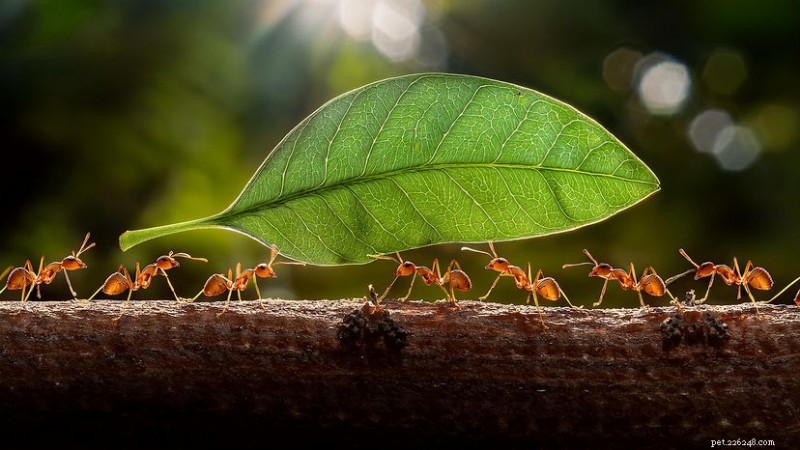
Have you ever noticed a procession of ants crossing your kitchen counter? Understanding the terminology—colony, swarm, or army—can help you identify their behavior and decide whether pest control is needed.
While “ant colony” is the most common designation, the terms swarm and army appear in specific contexts that reflect distinct life stages or activities.
What Makes Up an Ant Colony?
An ant colony is a self‑sustaining society that can range from a few hundred individuals to several million. The members share a central nest or an interconnected network of tunnels located in soil, beneath rocks, or even inside building walls.
Within this complex structure, worker ants—female foragers—manage food collection, nest maintenance, brood care, and expansion. Soldiers, larger and stronger, guard the colony, while the queen’s sole focus is reproduction. Together, they form a highly coordinated team driven by pheromones.
The colony’s life cycle includes the following stages:
- Eggs: Laid by the queen
- Larvae: Worm‑like juveniles fed by workers
- Pupae: Pupation within a cocoon
- Adults: Workers, soldiers, queens, and males
In many regions, especially in warm climates like Australia, a single supercolony can span thousands of hectares, connecting multiple nests into one cooperative network.
What About Flying Ants?
During the mating season, which typically occurs in warm, humid months, colonies release nuptial flights of reproductive males and younger queens. These winged individuals leave the nest to mate; after fertilization, the queens drop their wings and seek suitable ground to establish new colonies.
These nuptial flights can trigger rapid colony expansion, potentially leading to increased pest activity in homes and gardens.
What Drives a Colony?
All coordination in an ant colony relies on chemical communication via pheromones. These invisible signals guide workers to food, signal danger, and maintain social order, all without a central command structure.
With over 12,000 known species, ants occupy diverse habitats—from trees and soil to rocks and buildings—demonstrating remarkable adaptability and specialization.
We crafted this article using AI tools and subsequently fact‑checked and refined it by a professional editor to ensure accuracy and clarity.
- Eliminate Dog Dental Disease with Expert Guidance from Loving Pets and The Missing Link
- Why Some Cats Act Like Dogs: Understanding Cross‑Species Behaviors
- Expert‑Approved Home Care for Injured Dogs
- Master Manual Mode: Elevate Your Reptile Photography with Expert Exposure Techniques
- Understanding Canine Leiomyoma: Causes, Symptoms, and Treatment
- Can Cats Experience Love? Exploring Feline Emotions
- Top 15 Most Friendly Dog Breeds for Loving People