

The Leatherback Sea Turtle: Ocean’s Giant – Size, Habitat, and Conservation
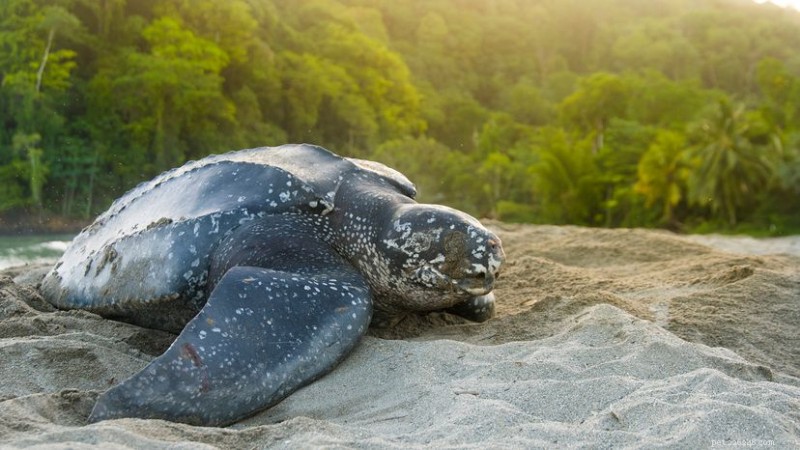
The leatherback sea turtle (Dermochelys coriacea) is the largest of all sea turtles, measuring up to 7 ft (2.1 m) in length and weighing over 2,000 lb (907 kg). Its distinctive, flexible, leathery carapace sets it apart from hard‑shell species and enables it to glide effortlessly through the water.
Physical Characteristics
Unlike the rigid shells of loggerheads and green turtles, leatherbacks possess a streamlined, rubbery carapace that can withstand crushing pressures at depths exceeding 4,000 ft (1,219 m). Their ridged backs improve hydrodynamics, making them efficient long‑distance swimmers.
Regional Variations
While there is only one species, populations are divided by oceanic regions. Pacific leatherbacks migrate thousands of miles from tropical Indonesian beaches to feeding grounds along the U.S. West Coast, whereas Atlantic leatherbacks travel between Caribbean warm waters and cooler northern Atlantic feeding sites.
Social Habits
These turtles are predominantly solitary, spending most of their lives in the open ocean. The nesting season brings them together, as females return to their natal beaches to dig nests and lay 80–100 eggs.
Diet
Leatherbacks are specialized jellyfish eaters. Their backward‑pointing throat spines help capture slippery prey, allowing them to control jellyfish populations. However, this diet makes them vulnerable to plastic pollution, as they may mistake plastic bags for jellyfish.
Environment
Found in all oceans except the Arctic, leatherbacks thrive from tropical nesting beaches to the cold depths of the open sea. Their ability to regulate body temperature lets them forage in nutrient‑rich waters far from their nesting grounds.
Life Cycle
Females lay 80–100 eggs per clutch, with a 60‑day incubation period. Hatchlings face predators before drifting with currents, growing for years before reaching sexual maturity at 10–20 years. Lifespan can exceed 50 years, though few reach adulthood due to threats.
Conservation Status
Globally listed as Vulnerable, some populations—such as Pacific leatherbacks—are Critically Endangered. Threats include habitat loss, bycatch, climate change, plastic pollution, and coastal development. Conservation efforts under the Endangered Species Act and international initiatives aim to protect nesting beaches, reduce bycatch, and mitigate climate impacts.
For more information, visit the IUCN Red List and the NOAA.
We created this article in conjunction with AI technology, then fact‑checked and edited by a HowStuffWorks editor.
- Playful Bonding: How Dog Play Boosts Socialization and Strengthens Relationships
- What Your Cat’s Rear Tells You: 6 Key Insights
- Understanding Low T4 Levels in Dogs: Causes, Symptoms, and Treatment
- 12 Surprising Ways Science Revealed the Secrets of Dogs in 2023
- Find Your Ideal Companion: Trusted Dog Adoption in Saskatchewan
- Understanding Food Allergies in Dogs: Causes, Symptoms, and Effective Solutions
- TOP #83: Why Regular Dental Care Is Vital for Your Dog’s Health