

10 Rare Shark Species Threatened by Human Activities
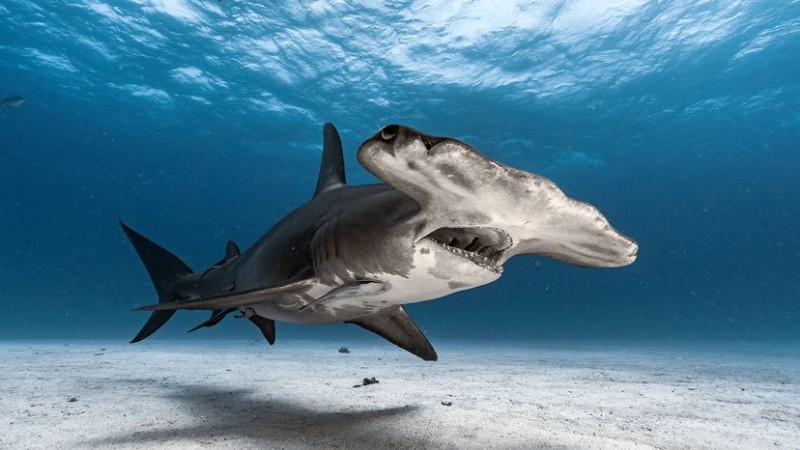
The ocean’s depths conceal predators that few have ever seen. Among them, ten shark and ray species stand out as the most elusive and imperiled. Their dwindling numbers reflect the cumulative impact of overfishing, habitat loss, and the global demand for shark fins.
While the great white shark captures headlines, many lesser‑known species are disappearing at alarming rates. Understanding their biology, threats, and the urgent conservation measures underway is essential for protecting these apex predators and the ecosystems they help regulate.
1. Ganges Shark (Glyphidodon gangeticus)
The Ganges shark is one of the world’s rarest fish, inhabiting the freshwater rivers of South Asia. The International Union for Conservation of Nature (IUCN) lists it as Critically Endangered. Riverbank degradation, pollution, and targeted fishing have decimated its population, leaving only sporadic sightings in recent years.
2. Speartooth Shark (Glyphis glyphis)
Endemic to northern Australia and Papua New Guinea, the speartooth shark occupies murky estuaries and coastal rivers. Classified as Vulnerable by the IUCN, it faces threats from habitat loss and accidental capture by commercial fisheries.
3. Oceanic Whitetip Shark (Carcharhinus longimanus)
Once common in tropical and subtropical waters, the oceanic whitetip now earns a Critically Endangered status. The high value of its large fins in international trade has driven steep population declines, with survivors confined to scattered, low‑density patches.
4. Great Hammerhead (Sphyrna mokarran)
Recognized for its distinctive T‑shaped head, the great hammerhead is critically endangered due to targeted fishing and the lucrative shark fin market. Conservation efforts now focus on protecting its critical breeding grounds in the western Atlantic.
5. Shortfin Mako Shark (Isurus oxyrinchus)
Renowned as one of the fastest sharks, the shortfin mako has suffered severe declines from commercial fishing pressure. It is listed as Endangered worldwide, with a Critically Endangered designation in the Mediterranean Sea.
6. Greenland Shark (Somniosus microcephalus)
Residing in the cold North Atlantic near Greenland and the British Isles, the Greenland shark can exceed 6.5 feet (2 meters) and may live for centuries. Its slow growth and late maturity make it highly vulnerable to overfishing; even limited bycatch can impede recovery.
7. Frilled Shark (Chlamydoselachus anguineus)
The frilled shark, a living fossil, dwells at depths of 200–700 meters. Though not heavily targeted, the species’ deep‑sea habitat limits scientific observation, leaving many aspects of its biology shrouded in mystery.
8. Megamouth Shark ()
Discovered only in 1976, the megamouth shark filters plankton in open‑ocean zones. With fewer than 30 documented sightings worldwide, its true population size and distribution remain unknown.
9. Common Skate and Blue Skate (Leucoraja erinacea & Raja caerulea)
These cartilaginous rays, often grouped with sharks, have experienced significant declines due to overfishing and habitat destruction along Europe’s west coast. Populations near the British Isles are still classified as Threatened.
10. Ornate Wobbegong (Ophidiasterias ornata)
Found in eastern Australian waters, the ornate wobbegong ambushes prey from the seafloor. Habitat destruction and localized fisheries pressure threaten its survival, underscoring the need for marine protected areas.
These ten species exemplify the fragility of marine apex predators in the face of human exploitation. Effective conservation hinges on international cooperation, stricter fishing regulations, and robust habitat protection.
Our article combines AI assistance with rigorous fact‑checking by a HowStuffWorks editor to ensure accuracy and reliability.
- Jackshund Dog: Comprehensive Breed Profile
- Top 10 Small, Furry Rodents That Make Excellent Pets
- Why Your Cat Rarely Drinks Water and How to Encourage Hydration
- International Homeless Animals Day: Raising Awareness and Promoting Adoption
- Understanding Aged Aquarium Water: Benefits, Uses, and How to Prepare It
- How to Select the Right Wheelchair for Your Mobility‑Impaired Dog
- Effective Home Remedies for Odorous Dog Ears