

Nine Coral Reefs That Sustain Global Communities
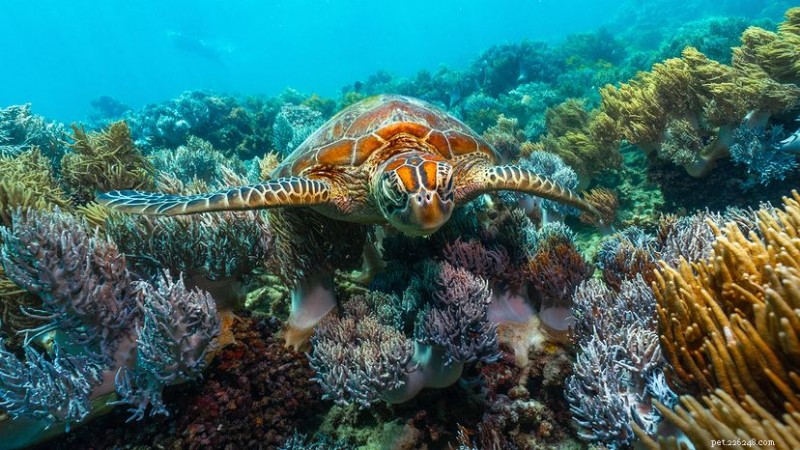
Coral reefs are tiny animal‑built cities that power some of Earth’s richest marine ecosystems. Although they cover less than 1 % of the ocean floor, coral reefs support roughly one‑quarter of all marine species and are vital for local communities, coastal populations, and global tourism economies.
These ecosystems form in warm, shallow waters (23–29 °C) where sunlight reaches the symbiotic algae inside coral tissue. The algae feed the corals, allowing them to deposit calcium carbonate layer by layer until a reef becomes a habitat, nursery, and storm buffer all at once.
Below are nine standout reef locations that illustrate how diverse species, reef communities, and marine life shape one of Earth’s most productive ecosystems.
1. Great Barrier Reef, Australia
The world’s largest reef system stretches over 2,250 km along Australia’s east coast. As a classic barrier reef, it runs parallel to the shoreline but is separated by deeper water. The reef’s growth is a dynamic process: hard coral colonies add new calcium carbonate each year, while storms, waves, and sea‑level change continually reshape its surface.
Today, the Great Barrier Reef is a front‑row example of reef decline. Rising ocean temperatures, frequent tropical storms, coral bleaching, invasive species such as the crown‑of‑thorns starfish, and other environmental stressors have rapidly reduced coral cover and altered reef conditions.
2. The Coral Triangle
Spanning Indonesia, Malaysia, the Philippines, Papua New Guinea, Timor‑Leste, and the Solomon Islands, the Coral Triangle boasts the highest coral diversity on Earth. Its reefs, seagrass beds, and mangroves form a tightly connected coastal ecosystem. Fish, invertebrates, and predators move freely among these habitats, so reef health depends on the entire food chain, not just the corals.
Because so many marine species and local communities rely on these waters, the Coral Triangle demonstrates why sustainable development and management must work together. Protecting a single reef without safeguarding surrounding coastal habitats will not preserve the broader system.
3. Raja Ampat, Indonesia
Located within the Coral Triangle, Raja Ampat is renowned for its exceptionally high biodiversity. The area hosts about 1,500 fish species and more than 550 coral species—an extraordinary concentration of life in one reef region.
Raja Ampat also illustrates the dual nature of reef tourism: well‑managed visitation can support local communities and fund conservation, while poor management can cause anchor damage, waste, and pressure on fragile shallow waters.
4. Mesoamerican Reef, Belize and Its Neighbors
The largest reef system in the Western Hemisphere, the Mesoamerican Reef runs along the coasts of Mexico, Belize, Guatemala, and Honduras. It comprises barrier reef habitat, fringing reef zones, and seagrass beds, supporting fisheries, diving, and shoreline protection.
Research groups such as NOAA frequently cite this reef as a model of ecosystem services—food, jobs, tourism revenue, and safer shorelines—underscoring its economic and ecological importance.
5. Red Sea Coral Reef
Stretching about 1,930 km, the Red Sea Reef contains at least 300 hard coral species and over 1,000 fish species. Its corals often tolerate unusually warm waters better than many other reefs.
Despite this resilience, the reef faces threats from pollution, destructive fishing, coastal development, and warming temperatures, especially in heavily used coastal waters. Scientists use the Red Sea as a natural laboratory to study heat tolerance and restoration strategies.
6. Maldives Atolls, Indian Ocean
The Maldives is famous for its 26 coral atolls—ring‑shaped reefs that grow around sinking or submerged volcanic islands. With more than 1,000 fish species, the country exemplifies how Indian Ocean reefs influence both nature and human life.
Atolls form in sunlit water, surrounding lagoons while the open ocean lies beyond the reef rim. This configuration delivers major benefits—tourism, fisheries, and shoreline protection—yet also exposes the islands to significant risk from sea‑level rise and reef degradation.
7. U.S. Virgin Islands and Caribbean Fringing Reefs
Fringing reefs—those that grow directly from the shoreline—are common across the Caribbean. They thrive in shallow waters where low tide can expose reef flats to heat and stress, making them especially vulnerable to bleaching, pollution, and runoff.
Despite their sensitivity, Caribbean fringing reefs remain vital, providing habitat, supporting tourism, and protecting beaches and harbors from waves.
8. Solomon Islands Reefs
The Solomon Islands’ extensive reefs connect village life, fisheries, and coastal ecosystems. They are central to food security, cultural identity, and the local economy, making community‑based conservation essential.
These reefs illustrate the human dimension of coral ecosystems: they protect shorelines, support daily fishing, and generate income through tourism. Yet they confront both local threats—overfishing, destructive practices, coastal development—and global pressures such as climate change.
9. Papua New Guinea’s Mixed Reef Habitats
Combining barrier reefs, fringing reefs, patch reefs, mangroves, and seagrass beds, Papua New Guinea offers a textbook example of connected ocean ecosystems. Such linkages are critical for the food chain, from primary production by coral symbionts to apex predators.
Researchers study coral reproduction here, observing both sexual and asexual strategies that enhance genetic diversity and colony expansion.
Why These Reefs Matter Now
Corals are animals, not plants. Each colony is made of polyps—tiny animals with a mouth surrounded by tentacles and stinging cells—that partner with symbiotic algae. Together they build calcium carbonate skeletons that form the foundation of entire marine ecosystems.
These structures support essential breeding, spawning, and feeding grounds for countless species. They also underpin ecosystem services: providing food for millions, generating roughly $36 billion in tourism revenue annually, protecting shorelines worth billions, and benefiting an estimated 1 billion people worldwide.
Reef health is declining under pressure from global and local threats. NOAA, the UN Environment Programme, and NOAA Fisheries all highlight rising coral bleaching, ocean acidification, and the need for restoration efforts, marine protected areas, better wastewater control, and sustainable management.
Recent bleaching events—most recently in 2023—follow the 1998, 2010, and 2014‑2017 waves. Combined with overfishing, plastic pollution, disease, invasive species, greenhouse gas emissions, and poorly planned coastal development, these pressures erode reef condition and the benefits they provide.
Promising responses are underway: coral farming, nurseries, marine protected areas, citizen science, education programs, and smarter tourism rules can support reef recovery. Yet these measures cannot replace the imperative to cut emissions and mitigate ocean acidification caused by climate change.
This article was generated with AI assistance and fact‑checked by a HowStuffWorks editor.
- Sad Cat Diary: Relatable & Hilarious Tales of Everyday Cat Life
- Pig Pregnancy Duration: What to Expect
- Effective Guide to Treating Ringworm in Dogs
- Understanding Your Puppy’s Hiding and Growling: Causes & How to Help
- Police Dog Euthanized After Misidentified as Pit Bull: A Wake‑Up Call for Breed‑Specific Laws
- Whiskies Cat Bowl – Ergonomic, Food‑Grade Silicone Feeder for Stress‑Free Cat Eating
- Spotting Illness in Dogs & Cats: Quick Nose & Body Checks