

Kitti’s Hog‑Nosed Bat: The World’s Smallest Mammal, a Bumblebee in Size
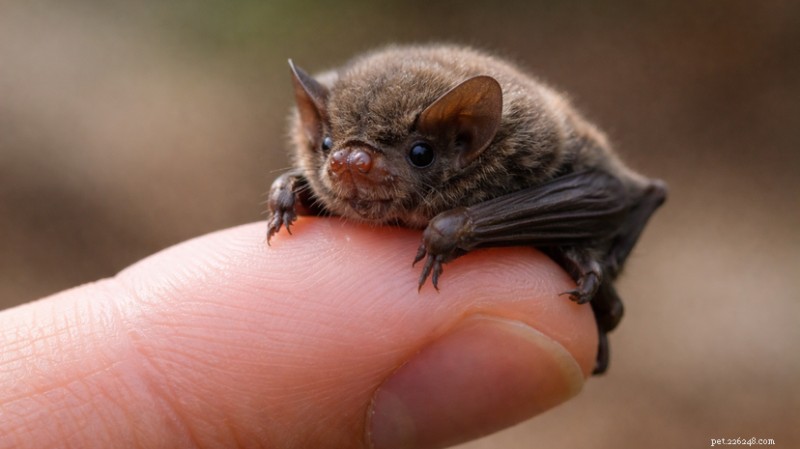
The Kitti’s hog‑nosed bat (Craseonycteris thonglongyai), often called the bumblebee bat, holds the title of the smallest bat—and arguably the smallest mammal—known to science. Adult individuals measure just 29–33 mm (1.1–1.3 in) from head to tail and weigh roughly 2 g (0.07 oz), roughly the mass of a large bumblebee. Its diminutive size belies a sophisticated set of adaptations that allow it to thrive in its specialized environment.
Physical Characteristics
Despite its tiny body, the bat displays a number of distinctive traits: a pig‑like snout, disproportionately large ears, and small, partially fur‑covered eyes. These features aid in navigation and prey detection in the dimly lit caves where it resides.
Habitat and Distribution
These bats are confined to a handful of limestone caves along river valleys in western Thailand and adjacent southeast Myanmar. Most colonies are found near the Khwae Noi River, with a separate, isolated population across the border in Myanmar. Colonies are typically small—averaging about 100 individuals—and roost high on cave walls or ceilings, often well away from entrances to minimize disturbance.
Foraging and Echolocation
Using echolocation, the bat hunts primarily for small insects—especially flies—as well as spiders and other arthropods. Foraging bouts occur during short twilight periods at dusk and dawn, during which the bat darts through forested corridors near its roost to capture prey mid‑air. Its small size and agile flight make it an effective predator of tiny insects, contributing to local insect population control.
Ecosystem Importance
Insects are a key food source for this bat, and by consuming vast numbers of them each night, it helps regulate pest populations that can threaten crops and spread disease. More broadly, bats worldwide perform essential ecological functions such as pollination and seed dispersal, supporting forest regeneration and biodiversity.
Conservation Status and Threats
With a limited geographic range and small colony sizes, the species is highly susceptible to habitat disruption. The International Union for Conservation of Nature (IUCN) lists Kitti’s hog‑nosed bat as Near Threatened due to ongoing deforestation, habitat loss, and human disturbance from cave tourism. Conservation initiatives focus on protecting limestone caves, adjacent forest ecosystems, and the insect prey base that sustains these bats.
Reproduction and Population Dynamics
Females typically give birth once per year, usually to a single pup. The young cling to their mother in the roost until they can fly and hunt independently. This slow reproductive rate means population recovery can be slow if numbers decline, underscoring the importance of habitat protection.
Why Protect the Bumblebee Bat?
Beyond its unique biological traits, the bumblebee bat exemplifies the delicate balance of cave ecosystems and the broader ecological services provided by bats. Protecting this species preserves not only a remarkable piece of natural history but also the health of the ecosystems it supports.
- PetSmart Dog Training Review 2022: Costs, Effectiveness, and FAQs
- Cat Vaccinations 101: Keep Your Feline Healthy with the Right Shots
- Are Pickles Safe for Dogs? Vet Insights & Health Tips
- Recent Study Reveals Improved Survival Rates for Dogs with Bloat
- Decoding Your Dog’s Paw Lift: What It Reveals About Their Body Language
- Kai Ken: The Warrior Dog – Behavior, Traits & Care
- Do Dogs Experience Insecurity? Understanding Your Pup’s Emotional Needs